Solana Ecosystem Analysis: Can It Sustain Its Q4 2026 Momentum?
Solana’s 2026 ecosystem is expanding across DeFi, stablecoins, RWAs, and payments. Here’s what could sustain—or weaken—its Q4 momentum.
What is Serum? What is SRM token? What make Serum different from other projects? Learn more about SRM tokenomics here.
What is Serum?
Serum is a protocol for decentralized exchange (DEX) built on the Solana blockchain by Serum Foundation; the foundation was created by FTX and Alameda Research. Serum is a completely permissionless protocol with high speed, and low transaction costs to bring users the best trading experiences.
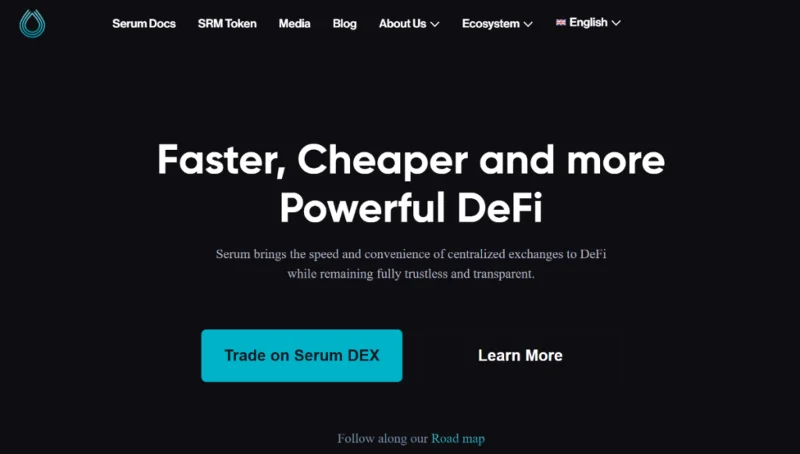
Serum Website: https://www.projectserum.com/
Where does Serum stand for?
Serum provides users a fully on-chain orderbook, in which enhancing the user experiences with trading interfaces to plug into Serum's composable ecosystem.
Serum lives in the heart of the ecosystem, playing the role as a Liquidity Center to its ecosystem applications, each with their own technology and set of users. Users who create a trading application such as an AMM can leverage the Serum's liquidity and its ecosystem advantages.
Serum combines a pack of components: Traders, Creators, Institutions, Developers.
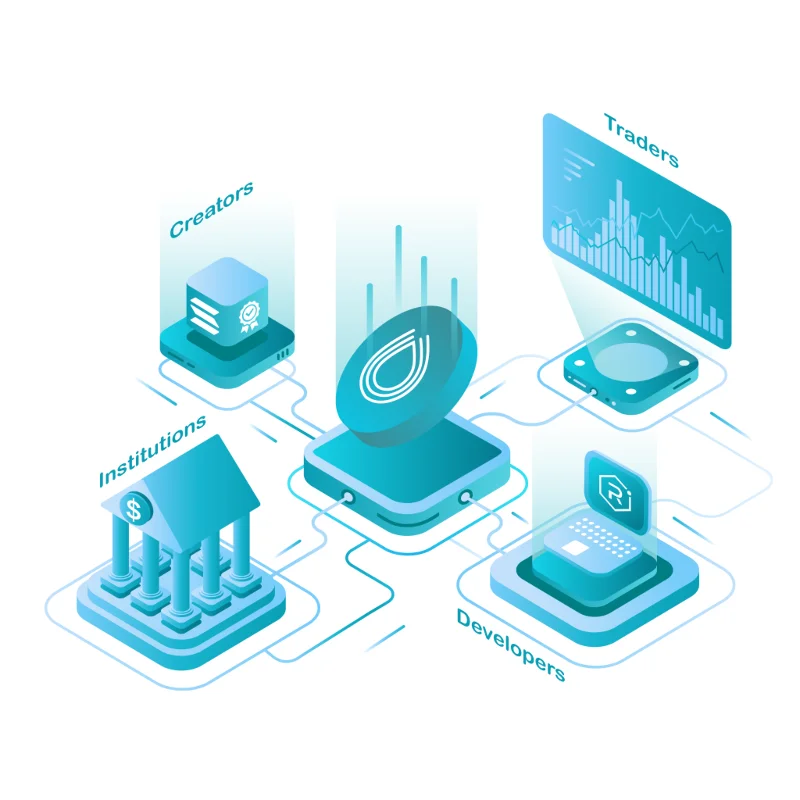
Serum Model
How does Serum work?
Serum will unveil a fully decentralized exchange with trustless cross-chain trading by providing seven main features:
Detailed Information about SRM Token
SRM token key metrics
SRM Token Allocation
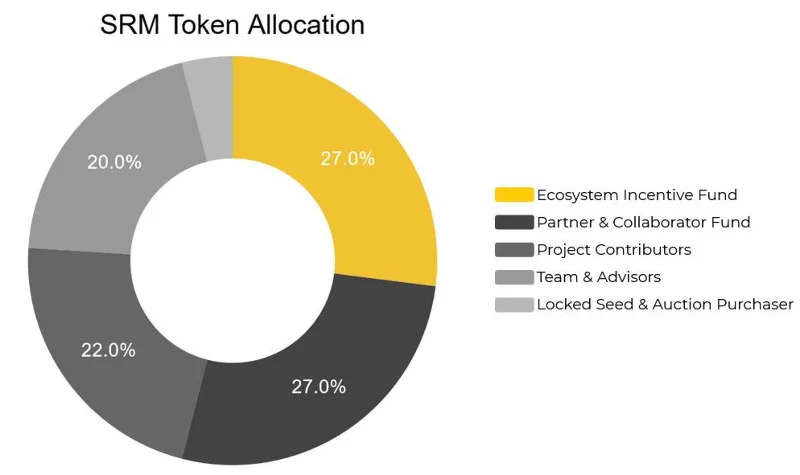
SRM Token allocation
SRM Token Release Schedule
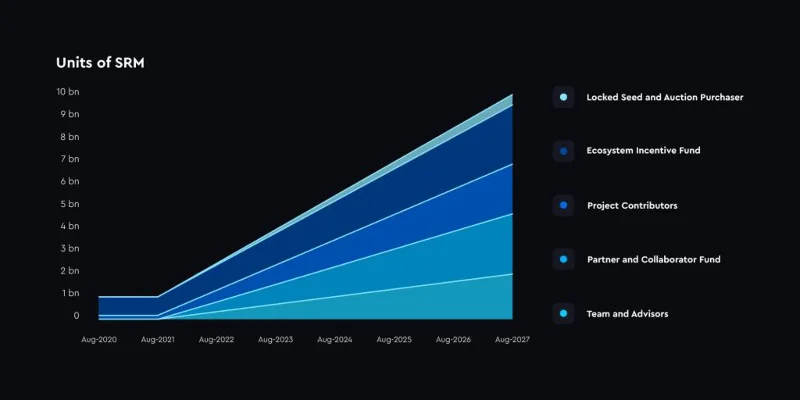
Token release schedule
SRM Token Use Cases
The SRM token will have these main roles:
How to get SRM Token
Users can get SRM token by:
How to buy SRM Token
You can buy SRM Token on DEXs such as Serum,... Alternatively, you can use Coin98 Exchange to swap other tokens for SRM.
Learn more: How to use Coin98 Exchange
How to store SRM Token
You can store SRM token on Coin98 Wallet with these steps:
Step 1: Open Coin98 Wallet & click Receive on the home screen.
Step 2: Search SRM Token.
Step 3: Click on the correct result, copy the wallet address and send SRM to this address.
Store SRM Token
Team, Investors, and Partners
Team
Serum Team includes:
Investors
Serum receives a large number of investment from many famous names such as Multicoin, Parafi, Alameda Research, Kyber Network, TomoChain,…
Partners
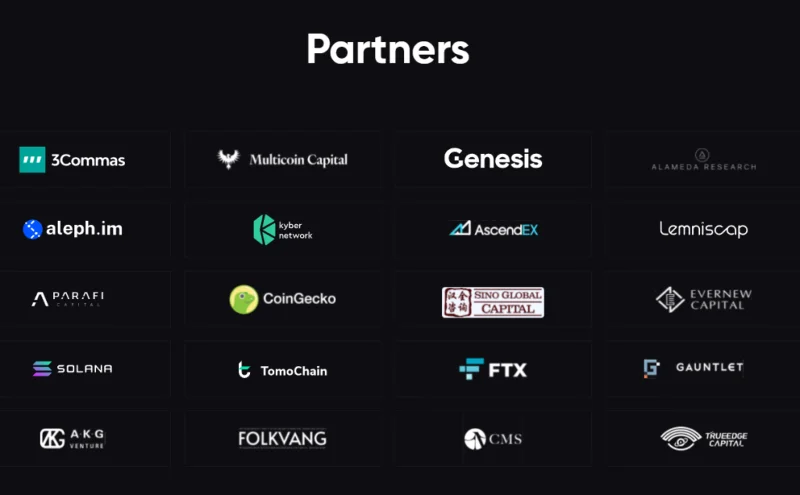
Serum Partner
Roadmap and Update
Direct Serum DEX upgrades:
Derivatives on Serum:
Decentralization:
EcoSerum grants:
Is Serum a good investment?
Market Prospects
Serum will be able to gain this large market share by eliminating DeFi difficulties. DEX and Cross-chain are two categories that are now gaining traction and will continue to do so in the future. Through the usage of the technologies mentioned above, Serum can widely expand in a short time.
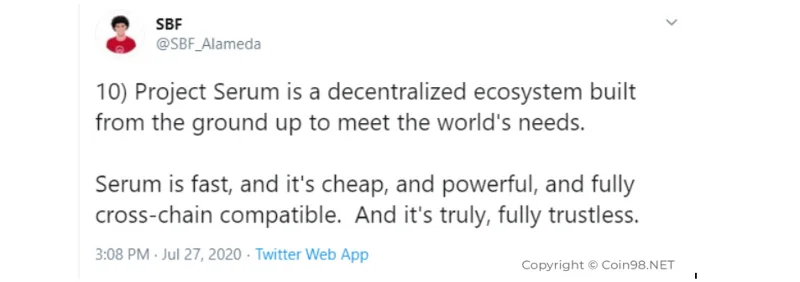
Serum's decentralized ecosystem is also fast, cheap (10,000 times faster and 1,000,000 cheaper than Ethereum), strong, and user-friendly, according to FTX's CEO.
Competitors
Serum competes with other DeFi initiatives like Chainlink, Compound, Maker, and so on in the DeFi market.
Binance DEX, ETH's iDex, Neo's Nash, and TomoChain's Tomodex are some of the competition that Serum must be aware of if it wants to be at the top.
Similar Projects
Raydium is an AMM and liquidity provider built on the Solana blockchain for the Serum decentralized exchange (DEX). Raydium has an advantage as an AMM within Serum and will be an integral part of bringing new and existing projects and protocols into the ecosystem.
Conclusion
Coin98 Insights hopes you have gained all of the important information about Serum including its features and highlights throughout this topic.
If you have any questions about Serum or want to know more about Serum, please feel free to leave a comment below and join Coin98 Community for further discussions about Crypto.
Solana’s 2026 ecosystem is expanding across DeFi, stablecoins, RWAs, and payments. Here’s what could sustain—or weaken—its Q4 momentum.
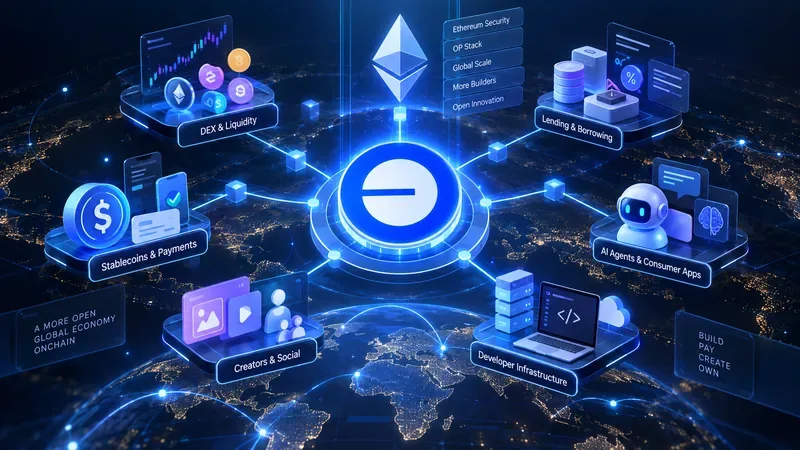
Una guía para 2026 sobre la supercadena Optimism: métricas de adopción verificadas, ventajas y desventajas de la pila OP y cómo Uniswap, Aerodrome, Velodrome, Aave y Morpho se adaptan a diferentes necesidades.
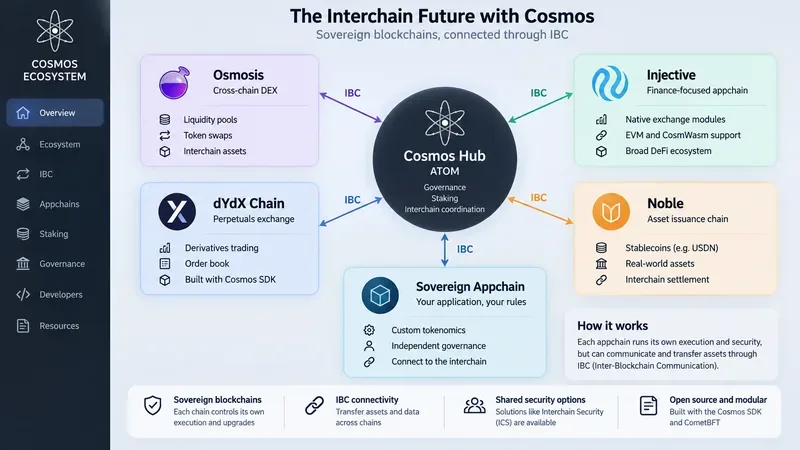
Comprenda cómo encajan Cosmos, ATOM, IBC y las cadenas de aplicaciones, además de cómo evaluar Osmosis, dYdX Chain, Injective, Noble y el modelo entre cadenas.
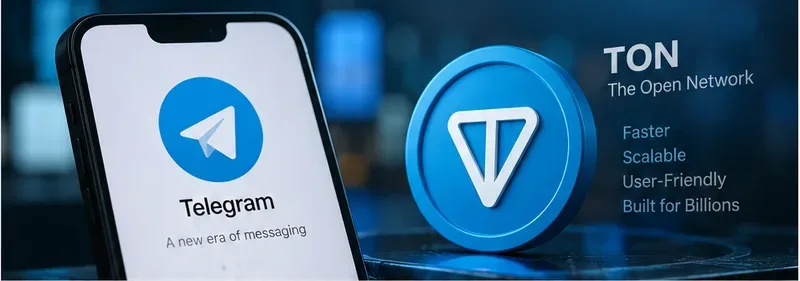
Explora el ecosistema de TON, las miniaplicaciones de Telegram, las carteras, los pagos, DeFi y los riesgos, además del cambio de nombre de Toncoin a Gram en 2026 y lo que significa.
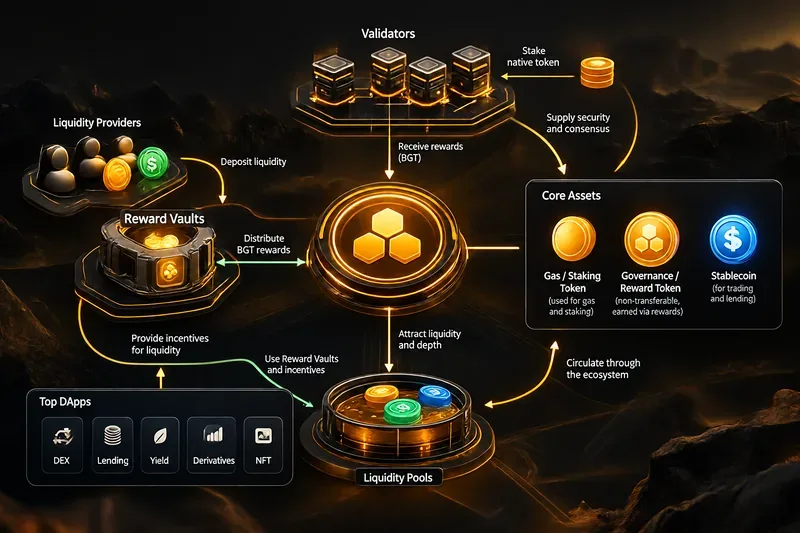
Descubre el modelo de prueba de liquidez de Berachain, BERA, BGT, HONEY, Reward Vaults y DApps destacadas como BEX, Bend, Infrared, Kodiak, Dolomite y BeraBorrow.
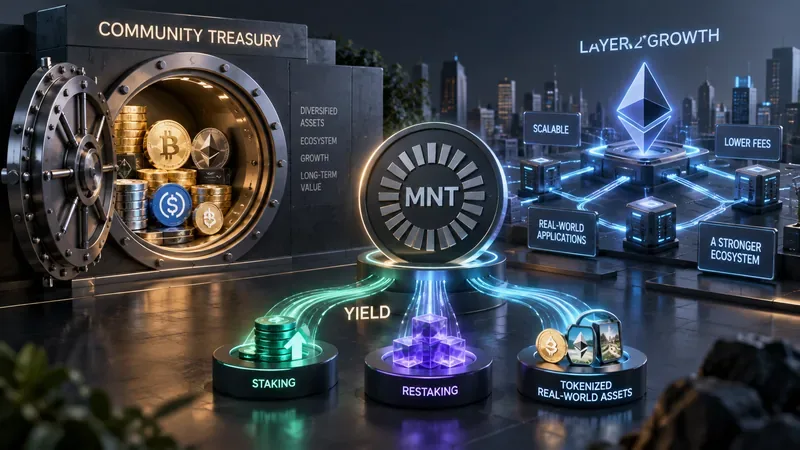
Comprenda el ecosistema de Mantle basado en MNT, la estructura de tesorería, las capas de rendimiento, la arquitectura L2, las señales de crecimiento y los riesgos que los inversores deberían tener en cuenta en 2026.
Una evaluación práctica de 2026 sobre la EVM paralela de Monad, la tracción del ecosistema, las ventajas y desventajas para los desarrolladores, y cómo se compara con Ethereum, Sei y MegaETH.
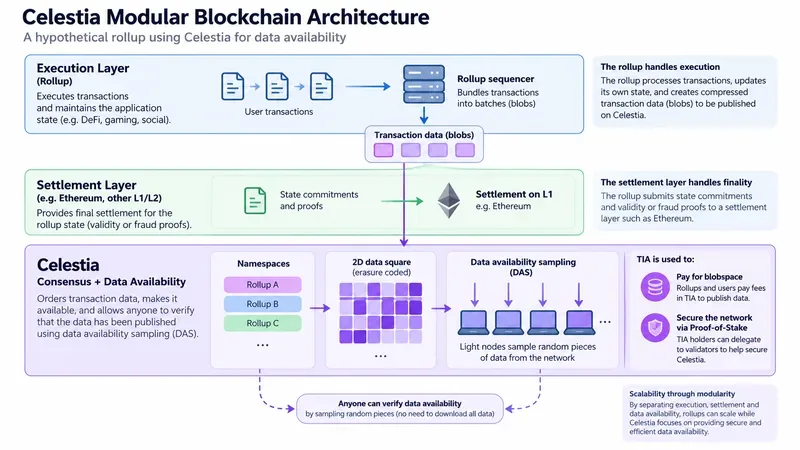
Un análisis práctico y exhaustivo de Celestia que explica las cadenas de bloques modulares, el muestreo de disponibilidad de datos, los espacios de nombres, Blobstream, la utilidad TIA y las ventajas e inconvenientes inherentes a las agregaciones de datos.
Explora el ecosistema de Base en 2026, desde Aerodrome y Morpho hasta Aave, Uniswap, Virtuals, Zora, Moonwell y los pagos de agentes x402.
Analizar la transición de Fantom a Sonic, la migración de FTM a S, la arquitectura de Sonic, la tokenómica, los incentivos para desarrolladores, el impacto en el ecosistema y los riesgos que aún importan en 2026.