Filecoin FVM Explained: Storage Deals, Smart Contracts, and Network Demand
Learn how Filecoin’s FVM and FEVM relate to storage deals, when to use direct deals or managed tools, and which metrics reveal real network demand.
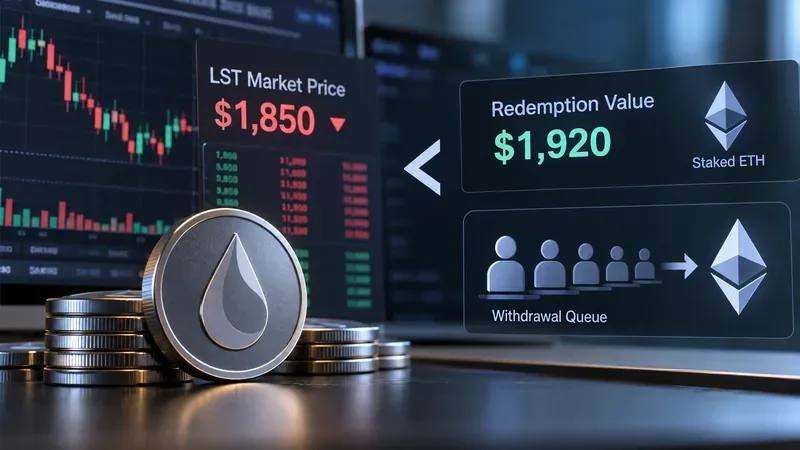
Understand how Lido’s stETH rewards accrue, what validator concentration means, and how to choose between the withdrawal queue and selling stETH.
Understand how Rocket Pool minipools pair operator and pooled ETH, why rETH can trade away from its protocol exchange rate, and how to assess operator rewards, costs, and risks.
Understand how USDS differs from DAI, when conversion matters, how sUSDS fits in, and which Sky governance changes users should verify in 2026.
How Jupiter routes Solana swaps, what fees users may pay, how JUP governance works, and which execution and aggregator risks matter in 2026.
Learn how Ondo’s OUSG and USDY tokenized Treasury products work, what OUSG’s published instant-redemption limits mean, and which issuer, liquidity, fund, and blockchain risks to check.
Compare JitoSOL, native SOL staking, and JTO governance while tracing MEV tips, protocol fees, buybacks, and the risks that affect realized returns.
Learn how Wormhole Guardians, VAAs, and token routes work, what to verify before bridging, and which warning signs call for a different route.
Learn how Pyth’s pull-oracle model delivers price updates on demand, what update fees cost as of September 2026, and how to protect smart contracts from stale or uncertain prices.
Learn how Injective’s on-chain order books work, what INJ burns actually signal, and how to assess liquidity, trading activity, and bridge dependencies.
Understand how Sei’s parallel EVM and phased Giga upgrades work, how to evaluate transaction fees, and which usage metrics reveal durable onchain activity.
Learn how Sui’s object-based transactions enable parallel execution, where shared-object congestion can appear, and how storage fees, staking rewards, and validator voting power shape the trade-offs.
Understand Aptos Block-STM parallel execution, the 2.6% staking reward parameter, fee burns, and the key APT supply checkpoints to verify in 2026.
Understand how ZKsync’s proof system works, what affects Era fees, how ZK token governance operates, and how to assess decentralization progress.
See how Base orders transactions, what sequencer revenue means, how long canonical withdrawals take, and what Stage 1 decentralization and Base’s 2026 roadmap do—and do not—guarantee.
Learn how Starknet validity proofs and smart accounts work, what they do not guarantee, and how to evaluate STRK token unlock and supply risks.
Learn how Optimism’s Superchain shares sequencer revenue, enables cross-chain messaging, and handles upgrades—and what its current governance and execution gaps mean.
Learn how Arbitrum Orbit chains are operated, how sequencers, batch posters and fee collectors work, where fees can flow, and who controls upgrades.
Learn how Chainlink CCIP routes cross-chain messages, what affects fees, how its security model works, and how to interpret current adoption metrics.
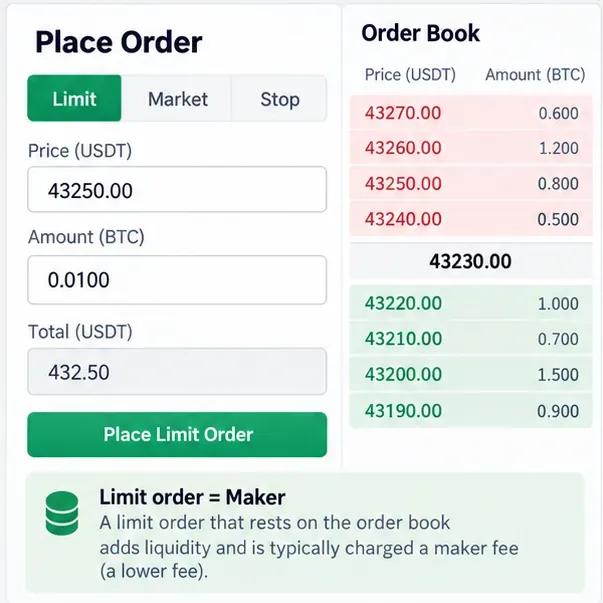
A practical guide to Hyperliquid’s onchain order book, maker and taker fees, fee flows, protocol metrics, and HYPE validator and unstaking risks.
Compare Aave variable borrowing rates, liquidation thresholds, and health factor with a worked example, risk trade-offs, and a market-specific checklist.
Learn how Pendle splits yield-bearing assets into PT and YT, how each token gets its value, and what changes when a Pendle market reaches maturity.
Learn how Ethena USDe uses delta hedging, where funding and other income come from, and what negative funding, liquidity, custody, or market stress can mean for holders.
Understand how EigenLayer restaking connects stakers, operators, and AVSs, how to assess real demand, and which protocol metrics can obscure operator and slashing risk.
Understand Celestia data availability, how blobspace fees use TIA, and the protocol, staking, supply, and interoperability risks worth monitoring.
See how U.S. and U.K. daylight saving dates shift the London–New York forex overlap, with 2026 local-time examples and a practical conversion method.
See how the 30-day wash-sale window, partial share matches, basis adjustments, Form 8949, broker reporting, and section 475(f) affect active traders.
Learn why a single stock order can be partially filled at different prices and times, how liquidity and queue priority drive fills, and what to check before trading.
VWAP measures the volume-weighted average for a defined session; anchored VWAP starts from a chosen event. Learn when each benchmark is the better fit.
Compare market and limit orders in fast markets. Learn how fill likelihood, slippage, price limits, and queue priority affect execution—and what to check before trading.