Understanding Ethereum Gas Fees: How to Save Money on Transactions
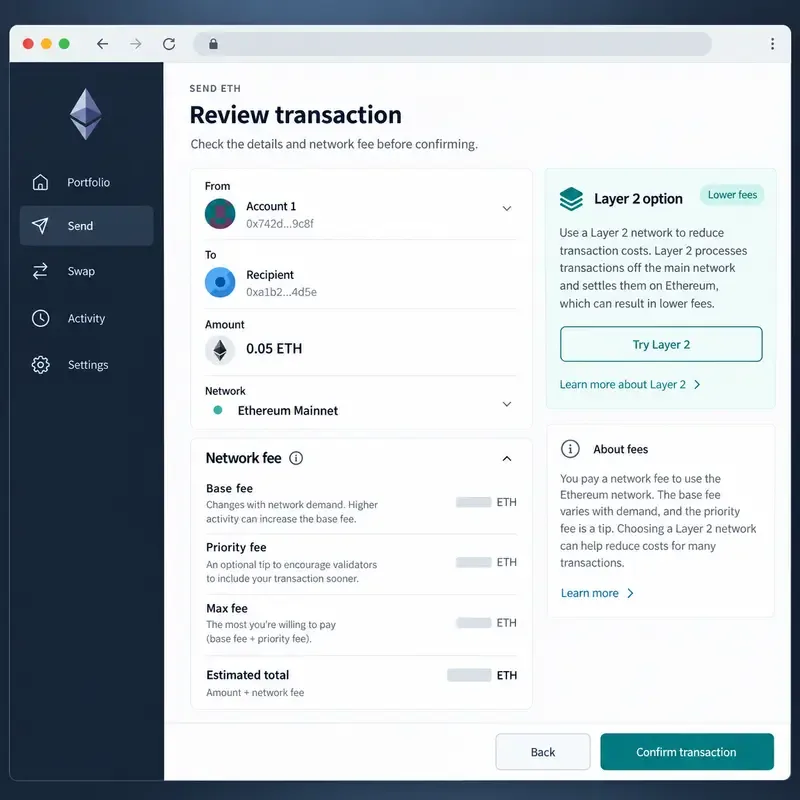
Learn how Ethereum gas fees work, what base fees and priority fees mean, and practical ways to reduce transaction costs safely.
Short answer: Ethereum gas fees are the cost of the computation required by a transaction. You can often reduce what you pay by choosing the right network, waiting when demand is lower, accepting a reasonable priority fee, and reviewing the wallet’s estimated total before signing. The safest savings usually come from using a suitable Layer 2 for supported activity, not from blindly changing advanced fee fields.
Gas is not the same thing as the price of ETH. Gas measures computational work, while the gas price is the amount of ETH paid per unit of that work. The final fee depends on both the amount of gas the transaction uses and the price per unit. A simple ETH transfer generally uses less gas than a swap, NFT mint, liquidity operation, or other smart-contract interaction.
This article separates verified facts from circumstance-dependent guidance and from points that cannot be known in advance. Ethereum’s fee market and Layer 2 ecosystem can change, so the current wallet estimate and the network’s own documentation should always take priority over an old screenshot or a fixed fee table. The technical references were checked on September 16, 2026.
Every Ethereum transaction asks the network to perform work. That work may be as simple as updating an account balance or as complex as executing several smart-contract operations. Gas is the unit used to measure the computational effort. The fee is calculated from the gas used multiplied by the effective price per gas.
Gas prices are normally displayed in gwei. One gwei is one-billionth of an ETH, or 0.000000001 ETH. Using gwei makes small fee amounts easier to read, but the wallet ultimately deducts ETH from the sender’s account.
Verified fact: Ethereum.org states that the fee is paid for the work of a transaction even when the transaction fails. There is an important technical distinction: a transaction rejected during validation because its gas limit is too low may consume no gas, while a smart-contract call that starts execution and then reverts can still consume gas for the work already performed.
Useful action: before signing, confirm that the destination, contract action, token amount, and network are correct. Do not treat a failed transaction as a harmless test, especially when interacting with an unfamiliar contract.
For the modern fee market, the most useful simplified formula is:
Transaction fee = gas used × (base fee + effective priority fee)
The base fee is set by the protocol according to recent block demand. It is not paid to the validator; it is burned. The priority fee, also called the tip, is an additional amount intended to make the transaction more attractive for inclusion. The max fee per gas is the most the sender authorizes paying per unit of gas. It is a ceiling, not automatically the amount that will be charged.
The Ethereum gas and fees documentation explains that the base fee can rise when blocks are used above their target and fall when demand is lower. The EIP-1559 specification describes the same mechanism and confirms that the base fee is burned while the priority fee is retained by the block proposer.
Common misconception: setting a high max fee does not necessarily mean paying that entire amount. The sender pays the applicable base fee plus the effective priority fee, within the authorized maximum, and the difference is not charged. Unused gas is also returned under the normal transaction accounting rules.
Useful action: read the wallet’s “estimated fee” and “maximum fee” separately. Treat the maximum as a protection limit, but check that the estimated total is acceptable before confirming.
The base fee reflects demand for Ethereum block space. When many users compete for limited capacity, it can rise. A lower priority fee cannot eliminate the base fee. If the activity is not urgent, waiting for a less congested period may reduce the price per gas, but this is not guaranteed because demand can change suddenly.
Situation-dependent: there is no universal “cheapest hour” that works every day. Network demand is influenced by market moves, popular mints, liquidations, application launches, and other events. A quiet period can become expensive before a pending transaction is included.
Useful action: compare the wallet’s current estimate with a reputable live network view immediately before signing, then decide whether the transaction is urgent enough to send now. Do not rely on a fixed gas price copied from a previous day.
The priority fee is a tip that signals urgency. A higher tip may improve the chance of prompt inclusion when transactions compete for space, but it does not always produce a meaningful speed improvement. If the base fee is the main source of cost, increasing the tip can add expense without solving the real problem.
Common misconception: the highest possible priority fee is not automatically the best choice. Ethereum.org notes that the appropriate tip depends on current network usage. A transaction that is not time-sensitive may not need an aggressive tip.
役立つアドバイス:日常的な送金には、ウォレットの通常または標準の推奨設定を使用してください。送金速度を速くする設定は、時間的な制約がある場合のみ検討し、必要理由が理解できない限り、通常よりも高額なチップを手動で入力することは避けてください。
ガスリミットとは、トランザクションが消費できるガスの最大量のことです。単純なETH送金の場合、一般的に21,000ユニットという上限が設けられていますが、スマートコントラクトの呼び出しではそれよりもはるかに多くのガスが必要になる場合があります。上限が実際に使用されたガス量よりも高い場合、未使用分は通常課金されません。逆に、上限が低すぎると、トランザクションが失敗する可能性があります。
よくある誤解:ガスリミットを下げても、必ずしもトランザクションのコストが安くなるわけではありません。実際のコストは使用されたガス量に基づいており、人為的に低いリミットを設定すると失敗する可能性があります。ガスが不足したスマートコントラクトは、実行を試みている間もガスを消費し続け、ロールバックする可能性があります。
有効な対策:コントラクト固有の技術的知識があり、変更する明確な理由がない限り、ウォレットの推定ガスリミットはそのままにしておきましょう。推定値が突然異常に見えた場合は、無理に実行するのではなく、コントラクト呼び出しを停止して調査してください。
イーサリアムのメインネットは高度なセキュリティ決済を目的として設計されていますが、日常的な活動を行う上で必ずしも最も経済的な場所とは限りません。多くのアプリケーションは、メインネットの実行環境とは別の場所で活動を処理し、イーサリアムに関連するデータの決済や公開を行うイーサリアムのレイヤー2ネットワークもサポートしています。
イーサリアムの公式レイヤー2概要では、ロールアップとはイーサリアムのメインネット上にデータを保存するネットワークであると説明されており、レイヤー2ネットワークはトランザクションコストを低く抑えることができるとされています。ただし、コストが低いからといって、すべてのネットワークでリスク、流動性、アプリケーションサポート、出金体験が同一であるとは限りません。
状況によりますが、レイヤー2は、ウォレット、アプリケーション、資産、および受取人のすべてがそのネットワークをサポートしている場合にのみ有効です。メインネットとレイヤー2間で資金を移動するにはブリッジトランザクションが必要になる場合があり、それ自体にコストがかかるだけでなく、スマートコントラクトや運用上の考慮事項も増えます。
役立つヒント:ネットワークを切り替える前に、次の3点を確認してください。dappが選択したチェーンをサポートしていること、受取人がそこで資金を受け取れること、そしてネットワークに必要なガストークンを所持していること。ルートやブリッジが不慣れな場合は、少額のテスト送金を行ってください。
多くのワークフローは、トークンの承認、交換、入金、報酬の請求など、複数の個別のアクションで構成されています。一部のアプリケーションは、許可署名、バッチ処理、または複数の操作を組み合わせた単一のトランザクションをサポートしていますが、そうでないアプリケーションもあります。単一のトランザクションを組み合わせることで、繰り返し発生するオーバーヘッドを削減できますが、アクションの理解が難しくなり、コントラクトの権限が増える可能性もあります。
事前に把握できないこと:最も安価なワークフローは、具体的な契約内容、通話データ、アプリケーション設計、および現在のネットワーク状況によって異なります。「バッチ」とラベル付けされたボタンが、その権限範囲を確認せずに、より安価または安全であると安易に判断するのは危険です。
有効な対策:各ルートの見積もり総額と要求された権限を比較してください。バッチ処理で無制限のトークン承認や見慣れない権限が要求された場合は、料金削減の可能性を受け入れる前に、処理を中断して調査してください。
基本手数料が下がった場合、特に定型的な送金や時間的制約のない契約取引においては、待つことが有利になる場合があります。ただし、取引を保留することは必ずしも割引を保証する戦略ではありません。市場の動向によって需要が高まる可能性があり、ウォレットやネットワークの状況によっては、長期間保留された取引は差し替えられたり、価格が再設定されたりする可能性があります。
有効な対策:作業開始前に、個人の報酬上限を設定しましょう。現在の見積もり額がその上限を超えており、かつ作業が緊急でない場合は、衝動的に契約するのではなく、作業を延期して後で再確認しましょう。
2つのトランザクションは、ガス価格が似ていても、ガス使用量は大きく異なる場合があります。トークン交換は、単純な送金よりもはるかに多くのガスを消費する可能性があります。逆に、単純な送金のgwei推定値が高くても、gwei値が低い複雑なコントラクト呼び出しよりも、ETHの総手数料が低くなる場合もあります。
役立つヒント:ウォレットの推定合計金額をETHで比較してください。基本手数料やgweiラベルだけでなく、合計金額も確認しましょう。可能であれば、トランザクションの種類とコントラクトの動作も確認して、ネットワークにどのような処理が要求されているかを把握してください。
検証済みの事実:高額な手数料は、ネットワーク需要、優先度の高い手数料、または複雑なスマートコントラクト処理によって発生する可能性があります。高額な見積もり額が表示されているからといって、ウォレット、取引所、またはdappが過剰請求しているとは限りません。
役立つアドバイス:ウォレットに料金の内訳と取引シミュレーション機能がある場合は、署名する前に必ず確認してください。ポップアップに緊急と表示されたからといって、安易に取引を承認してはいけません。
| あなたの状況 | 合理的なアプローチ | 主なトレードオフ |
|---|---|---|
| 緊急メインネット転送 | ウォレットの推奨する通常またはより高速な方法を選択し、最大手数料を確認してください。 | より早く登録を完了するには、追加料金が発生する場合があります。 |
| 定期的移送 | 現在の見積もりを比較し、料金が上限額を超える場合は、しばらく様子を見ることを検討してください。 | 待つことで取引が遅れる可能性があり、手数料が安くなるとは限りません。 |
| 頻繁なdappアクティビティ | dappが適切なレイヤー2をサポートしているかどうかを確認してください。 | ネットワークサポート、流動性、ブリッジング、セキュリティはそれぞれ異なります。 |
| 複雑な契約の呼び出し | 推定されるガス使用量制限を守り、許可内容を注意深く確認してください。 | 下限値が低いとエラーが発生する可能性があり、バッチ処理ルートでは権限に関するリスクが増加する可能性があります。 |
イーサリアムのガス料金を節約する最も確実な方法は、署名する前にウォレットに表示されている内容を理解することです。基本料金はネットワークの需要を反映し、優先料金は緊急度を反映し、最大料金は承認の制限、ガス制限は許可される最大計算量を表します。最大料金が高いからといって必ずしもその金額が支払われるわけではなく、ガス制限が低いからといって必ずしも取引料金が安くなるわけではありません。
多くの日常的な操作においては、サポートされているレイヤー2、推奨されるウォレット手数料、そしてリアルタイムの見積もりが個人の限度額を超えた場合に待つ覚悟が最適な組み合わせとなります。すべての取引において、まずネットワークと契約の詳細を確認してください。手数料の節約は、誤ったチェーンへの送金、誤った契約の承認、または失敗した取引の代金支払いといったリスクを増大させない場合にのみ有効です。
これは教育目的の情報であり、金融または投資に関する助言ではありません。ガス料金、ウォレットインターフェース、レイヤー2サポート、および取引手数料は時間とともに変化します。署名する前に、リアルタイムの取引プレビューと関連ネットワークの最新ドキュメントをご確認ください。
この記事の技術的な説明は、 Ethereum.orgのガスと手数料に関するドキュメント、オリジナルのEIP-1559仕様、およびEthereum.orgのレイヤー2概要と照らし合わせて検証されています。これらの資料では、手数料の構成要素、プロトコルの基本手数料メカニズム、ガス制限の動作、およびイーサリアムを基盤とするレイヤー2ネットワークの役割について説明しています。
Learn how Ethereum gas fees work, what base fees and priority fees mean, and practical ways to reduce transaction costs safely.
個人情報の暴露やウォレットのリスクを負うことなく、公開された独立した証拠を用いて仮想通貨の創設者や開発者を検証する方法を学びましょう。
Learn how to take profits on meme coins using staged exits, liquidity checks, risk limits, tax awareness, and clear rules before a sharp reversal.
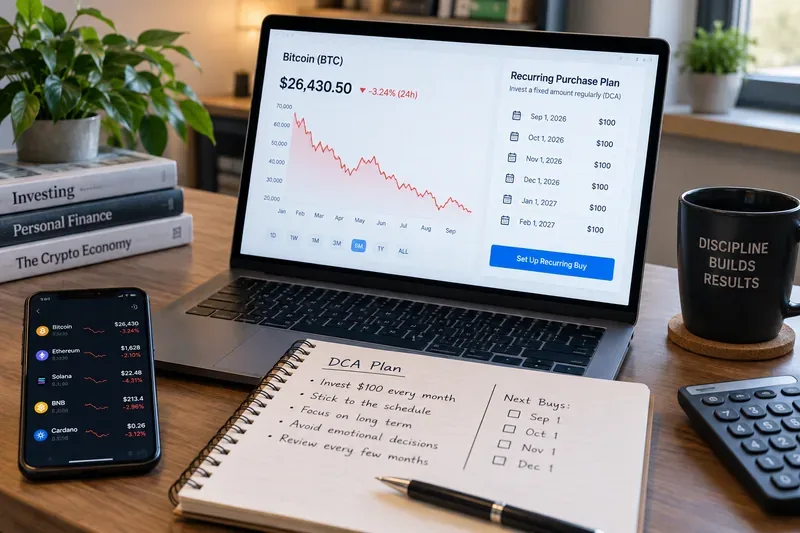
暗号資産のドルコスト平均法(DCA)が弱気相場でどのように機能するのか、どのようなリスクを軽減できるのか、どのようなリスクから守ることができないのか、そしてそれを安全策と勘違いすることなく、規律ある計画を構築する方法を学びましょう。
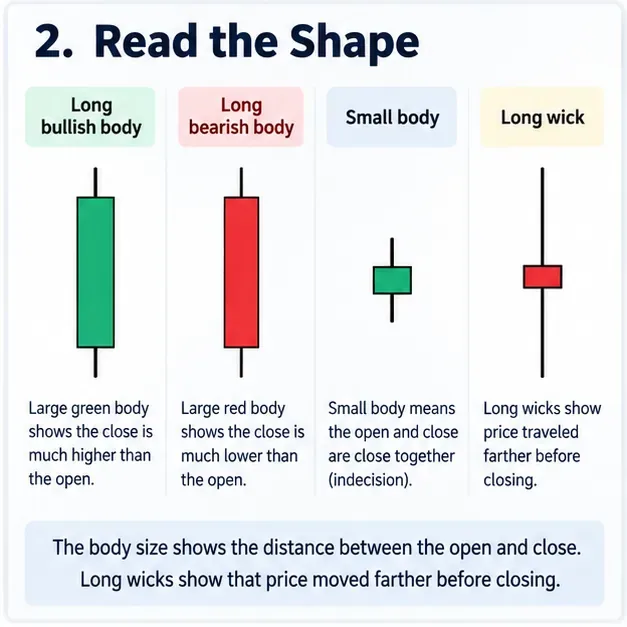
暗号資産のローソク足パターンを、OHLC、ローソク足本体、ヒゲ、トレンドの状況、確認、リスク管理といった要素を用いて読み解く方法を学びましょう。ただし、パターンを絶対的な保証として扱うべきではありません。
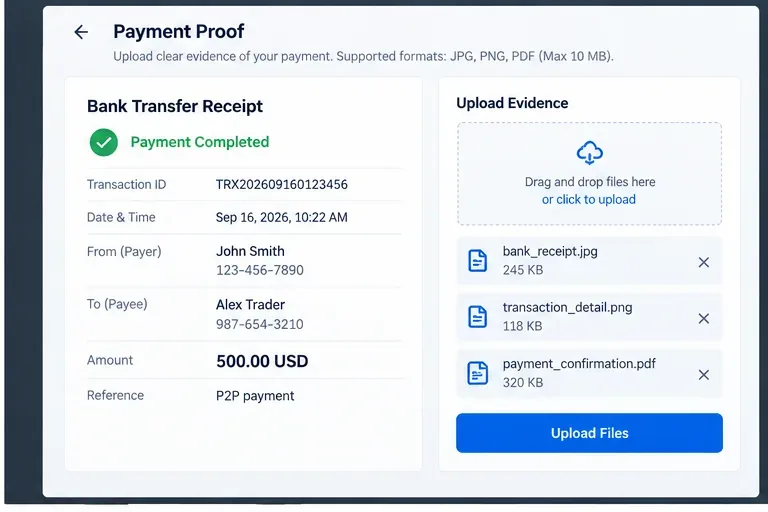
Learn how to handle crypto P2P payment disputes, compare waiting versus appealing, preserve evidence, avoid risky releases, and escalate through exchange support.
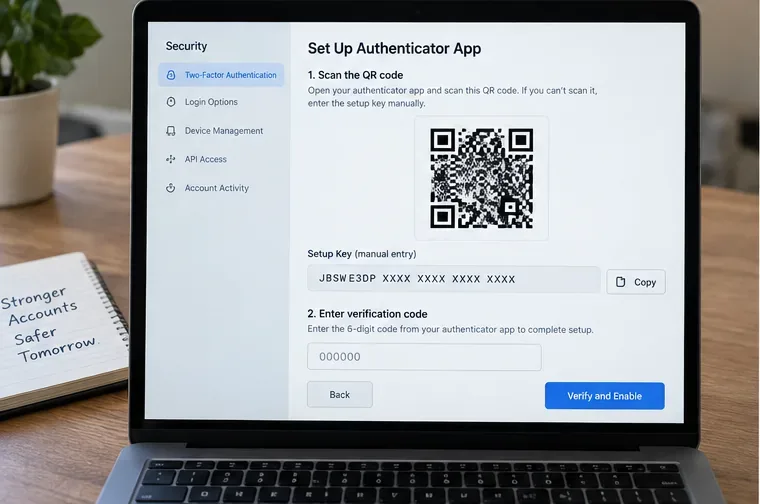
認証アプリを紛失しましたか?Coinbase、Binance、Kraken、OKXが2段階認証の復旧、セキュリティリセット、本人確認、出金保留をどのように処理しているかをご覧ください。
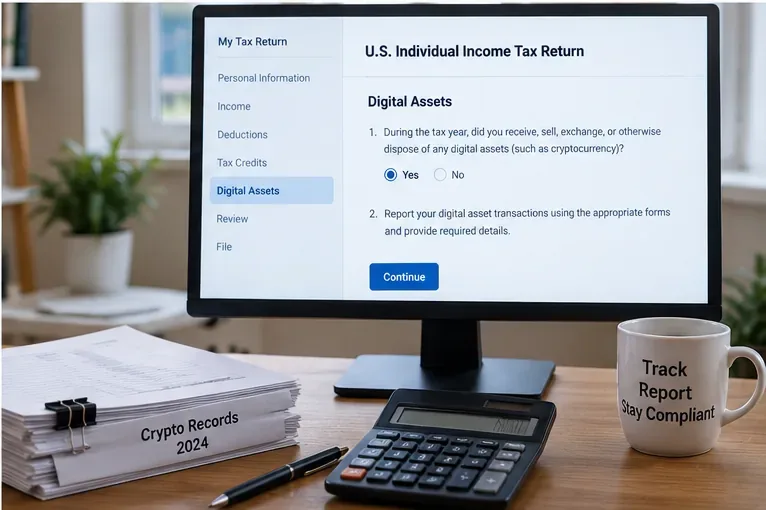
Learn how U.S. crypto taxes work, which transactions are taxable, what records to keep, how basis and gains are calculated, and where to report them.
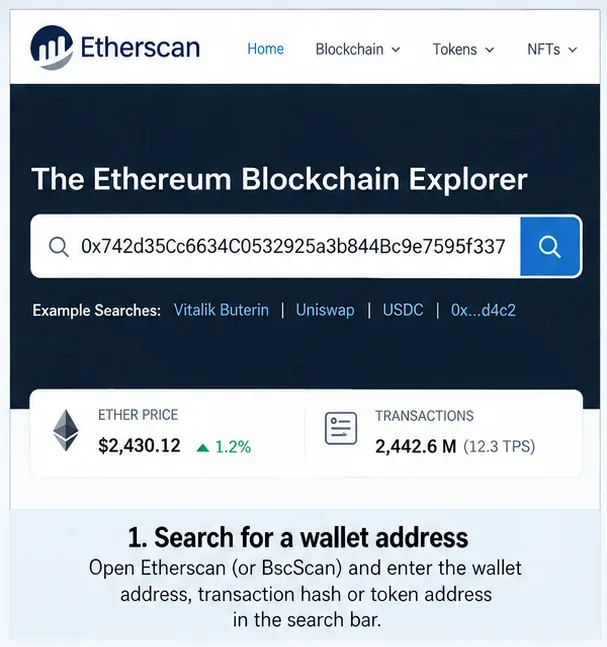
EtherscanとBscScanを使ってウォレットのアクティビティを追跡する方法、取引の詳細を読み取る方法、トークンの送金状況を追跡する方法、承認状況を確認する方法、そしてよくある間違いを回避する方法を学びましょう。
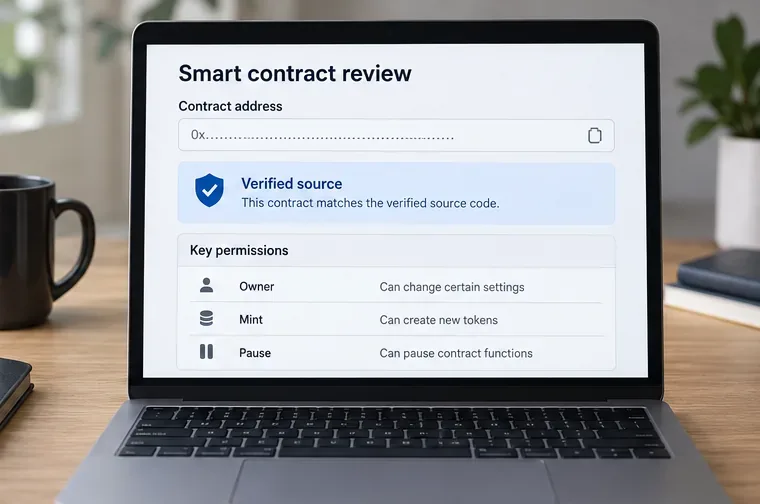
隠されたトークンロック解除や検証不可能なチーム、リスクの高いスマートコントラクトの権限など、暗号通貨のホワイトペーパーやロードマップに潜む危険な兆候を見抜く方法を学びましょう。