솔라나 생태계 분석: 2026년 4분기 상승세를 유지할 수 있을까?

솔라나의 2026년 생태계는 DeFi, 스테이블코인, RWA, 결제 등 다양한 분야로 확장되고 있습니다. 4분기 성장세를 유지하거나 약화시킬 수 있는 요인은 무엇일까요?
Crypto still asks users to think like infrastructure engineers. Moving from Bitcoin to Ethereum, Solana, or another network can mean changing wallets, switching networks, finding the right bridge, holding the right gas token, and understanding a different signing flow. The problem becomes even harder for AI agents: an autonomous system cannot reliably manage dozens of fragmented wallets and manual bridge steps if every chain exposes a different execution path.
NEAR Protocol’s current strategy is built around reducing that fragmentation. Rather than asking users and AI agents to care which blockchain executes each step, NEAR is developing a set of technologies that let applications express an outcome and coordinate the required cross-chain actions underneath. The project calls this approach chain abstraction. In 2026, NEAR’s roadmap explicitly ties that idea to autonomous AI agents, confidential inference, and cross-chain financial infrastructure.
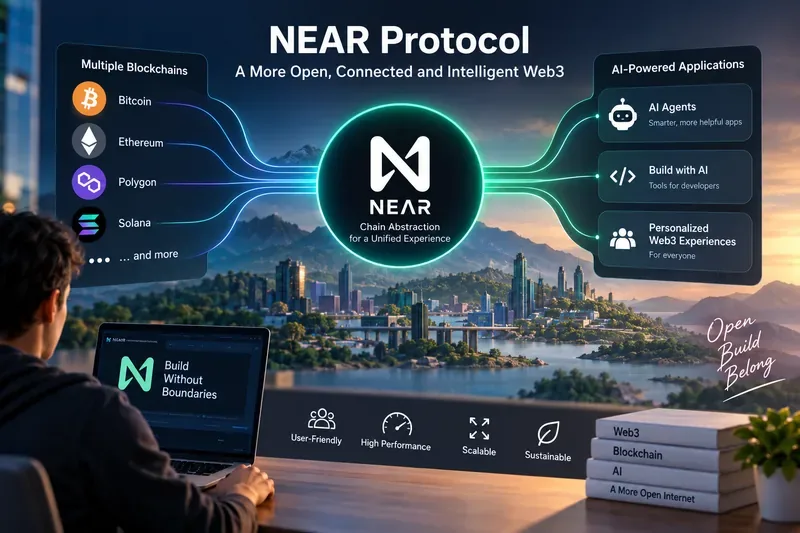
Most blockchains work well inside their own boundaries. The friction appears when an application needs to interact with assets or services on several chains. A user may have BTC on Bitcoin, USDC on Base, and another asset on Solana. Traditionally, using all three requires separate accounts or wallet logic, chain-specific transaction formats, different signing curves, multiple gas assets, and often one or more bridge transactions.
NEAR’s official chain abstraction overview frames the goal as hiding that infrastructure complexity from both people and AI. Instead of forcing an application to expose every underlying rail, the application can focus on what the user wants to accomplish.
This is not the same as saying every blockchain becomes NEAR or that assets are automatically moved onto NEAR. The more precise idea is that NEAR provides coordination, signing, routing, and settlement components that can make multi-chain actions feel like a single workflow.
The easiest way to understand chain abstraction is to separate it into three layers: control, execution, and settlement.
| Layer | NEAR component | What it is trying to simplify |
|---|---|---|
| Control | Chain Signatures | Signing transactions for assets and accounts on external chains |
| Execution | NEAR Intents | Expressing the desired result without manually choosing every route and transaction |
| Movement and connectivity | OmniBridge and connected infrastructure | Moving supported assets or liquidity between ecosystems |
Chain Signatures are one of the most important building blocks. NEAR describes them as a way for NEAR smart contracts to sign transactions on other blockchains through a multi-party computation, or MPC, network. The practical effect is that an application can coordinate actions on external networks without embedding a separate private key for every chain inside the application.
The official NEAR chain abstraction page explains that this design can support cross-chain execution, including environments that are not native NEAR smart-contract platforms. A separate NEAR Intents chain-abstraction use case describes an MPC network deriving chain-specific addresses from a user’s existing signing setup so that one interface can coordinate assets across supported chains.
That distinction matters. The user is not necessarily moving every asset into a wrapped representation on one master chain. In the intended design, assets can remain on their native networks while control is abstracted through a shared signing layer.
Chain Signatures answer the question, “How can an application authorize actions across different networks?” NEAR Intents addresses a different question: “How can a user ask for a result without manually constructing the full route?”
An intent is a statement of the desired outcome. For example, a user might want to exchange one asset for another across chains. Instead of manually choosing a bridge, swapping an intermediate token, managing gas, and executing each transaction in sequence, an intent-based system lets external solvers compete or coordinate to fulfill the request under defined conditions.
The official NEAR Intents site describes the system as a universal liquidity and execution layer for cross-chain markets. As of September 2026, its public site reports support across dozens of chains and billions of dollars in cumulative volume. Those figures are live ecosystem metrics and can change, so they should be treated as a current snapshot rather than permanent specifications.
Intent-based execution still needs infrastructure that can connect otherwise separate environments. NEAR presents OmniBridge as part of this connectivity layer. The bridge component is not identical to Intents or Chain Signatures: it deals with supported asset movement between networks, while Intents focuses on the user’s requested outcome and Chain Signatures focus on authorization.
This separation is useful because it prevents “chain abstraction” from becoming a vague marketing term. It is better understood as a stack of components that solve different parts of the cross-chain problem.
A human can tolerate some friction. An AI agent that is expected to operate continuously cannot rely on a person to approve every wallet switch, replenish every gas token, or manually pick a bridge. If autonomous agents are going to pay for services, rebalance assets, settle tasks, or interact with protocols, they need a more uniform transaction layer.
That is why NEAR’s 2026 roadmap explicitly connects two pillars: cross-chain financial infrastructure and autonomous AI agents. In NEAR’s model, chain abstraction provides the execution rails while AI provides the decision-making and automation layer.
The important point is that the AI model itself is not replacing the blockchain. The model can decide what action to request, while blockchain components handle authorization, execution, settlement, and verification.
NEAR’s AI strategy has expanded beyond simply hosting models or attaching a chatbot to a wallet. The current NEAR AI platform focuses heavily on confidential inference, autonomous agents, and infrastructure that lets software agents perform economic activity.
The NEAR AI platform describes confidential inference as running models inside hardware-enforced trusted execution environments, or TEEs. In this model, the prompt and model execution occur inside an isolated environment intended to prevent the infrastructure operator from reading the data in use.
In August 2026, NEAR AI announced an integration with Intel Trust Authority for independent attestation of confidential inference. According to NEAR AI’s August 12, 2026 announcement, workloads running in Intel TDX environments can return Intel-signed attestation evidence that downstream systems can verify. This is a meaningful distinction from a simple privacy policy: the stated goal is to make the execution environment cryptographically verifiable.
The two ideas solve different trust problems.
Put together, an agent could theoretically receive private user instructions, reason inside a confidential environment, produce an intended financial action, and then use chain-abstraction infrastructure to execute that action across supported networks. That is the architectural connection NEAR is pursuing.
하지만 이러한 요소들을 혼동해서는 안 됩니다. TEE는 AI 에이전트가 항상 올바른 결정을 내린다는 것을 보장하지 않습니다. 체인 서명은 모든 외부 프로토콜이 안전하다는 것을 보장하지 않습니다. 의도 해결사는 시장 위험을 완전히 제거하지 못합니다. 각 계층은 더 좁은 범위의 문제를 다룹니다.
NEAR는 또한 Shade Agents를 AI 에이전트, TEE, 체인 서명 및 크로스체인 실행을 결합하는 방법으로 강조합니다. 공식 체인 추상화 페이지에서는 Shade Agents를 검증 가능하고 멀티체인에서 작동하도록 설계된 AI 기반 스마트 계약 시스템으로 설명합니다.
이러한 방식의 매력은 쉽게 알 수 있습니다. 에이전트는 지속적으로 실행되고, 개인 상태를 유지하며, 기존의 핫월렛 키를 보유하는 중앙 관리자 없이도 작업을 수행할 수 있기 때문입니다. 하지만 바로 이 지점에서 보안 모델이 더욱 복잡해집니다. 사용자는 에이전트의 코드, 에이전트에 부여된 권한, TEE 구현, 서명 정책, 에이전트가 상호 작용하는 외부 프로토콜, 그리고 각 작업과 관련된 경제적 제약 조건을 모두 고려해야 합니다.
여러 네트워크에 걸쳐 BTC, ETH 및 스테이블코인을 보유하고 있으며 특정 할당량을 유지 관리할 에이전트를 원하는 사용자를 가정해 보겠습니다. 기존 방식에서는 에이전트가 각 네트워크별로 별도의 지갑 통합, 브리지 로직, 가스 관리 및 체인별 거래 서명 기능을 필요로 할 수 있습니다.
NEAR가 제안한 스택을 사용하면 워크플로를 개념적으로 단순화할 수 있습니다.
사용자 입장에서는 각 연결 고리를 수동으로 조정하는 것보다 훨씬 간단하게 상호 작용할 수 있습니다. 하지만 내부적으로 시스템은 여전히 여러 프로토콜과 보안 가정에 의존합니다.
가장 중요한 발전은 NEAR의 AI 및 체인 추상화 전략이 이제 뚜렷하게 수렴되고 있다는 점입니다. 2026년 NEAR 로드맵은 크로스체인 금융과 자율 AI 에이전트를 별개의 실험이 아닌 상호 보완적인 인프라로 명시적으로 제시하고 있습니다.
NEAR AI는 2026년에도 여러 가지 구체적인 기능을 추가했습니다. 공식 블로그 에는 기밀 추론 업데이트, 에이전트 인프라, AI 서비스에 대한 암호화폐 기반 결제, 그리고 독립적인 인증에 대한 내용이 게시되어 있습니다. 예를 들어, 2026년 1월 릴리스에서는 추론 및 팀 작업 공간에 대한 암호화폐 결제 기능이 추가되었고, 2026년 8월에는 인텔 트러스트 기관(Intel Trust Authority) 통합을 통해 기밀 추론 관련 검증 기능을 강화했습니다.
이러한 발전은 "에이전트 경제"라는 비전이 완전히 실현되었다는 것을 증명하는 것은 아닙니다. 다만, 이 프로젝트가 광범위한 구상에서 벗어나 공공 제품 및 통합 기능을 갖춘 배포 가능한 인프라 구축 단계로 나아갔음을 보여줍니다.
NEAR의 접근 방식은 사용자가 또는 애플리케이션이 여러 블록체인에서 실제로 작동해야 하는 상황에서 가장 효과적입니다. 블록체인 간 요구 사항이 없는 단일 블록체인 애플리케이션은 추가된 추상화 계층의 이점을 크게 누리지 못할 수 있습니다.
이러한 건축 양식은 특히 다음과 같은 경우에 중요합니다.
추상화는 가시적인 복잡성을 줄여주지만, 근본적인 위험을 제거하는 것은 아닙니다. NEAR의 체인 추상화 및 AI 스택을 평가하는 사람은 누구나 여러 계층을 개별적으로 검토해야 합니다.
의도 기반 시스템은 사용 가능한 솔버의 품질, 유동성, 가격 책정 및 실행 보장에 따라 달라집니다. "원클릭"이라고 해서 모든 경로가 동일하게 효율적이거나 위험이 없는 것은 아닙니다.
크로스체인 시스템은 스마트 계약, 브리지 인프라, 릴레이어 및 연결된 프로토콜로부터 취약점을 물려받을 수 있습니다. 사용자 경험 측면에서는 이러한 구성 요소가 숨겨질 수 있지만, 보안 위험은 여전히 존재합니다.
자율 에이전트에게 무제한 권한을 자동으로 부여해서는 안 됩니다. 지출 한도, 허용 목록, 시간 제한, 권한 취소 경로 및 사람의 승인 기준은 모델의 지능보다 더 중요할 수 있습니다.
신뢰할 수 있는 실행 환경은 하드웨어 기반의 격리 모델을 제공하지만, 구현 및 공급망에 대한 가정을 전제로 하는 특정 보안 아키텍처에 불과합니다. 독립적인 인증은 검증 가능성을 향상시키지만, 사용자는 무엇을 정확히 측정하고 무엇이 신뢰 경계 밖에 있는지를 여전히 평가해야 합니다.
지원되는 체인, 자산, 솔버, 모델 및 통합 기능은 시간이 지남에 따라 변경될 수 있습니다. 프로덕션 종속성을 구축하기 전에 개발자는 이전 문서나 스크린샷에 의존하지 말고 공식 NEAR 및 NEAR Intents 문서에서 최신 호환성 목록을 확인해야 합니다.
추상적으로 체인 추상화가 "더 나은지" 묻는 것보다 간단한 자체 점검이 더 유용합니다.
만약 이러한 점검 결과 현재 복잡성의 대부분이 크로스체인 조정에서 비롯되는 것으로 나타난다면, NEAR 아키텍처는 해당 문제를 직접적으로 해결해 줍니다. 하지만 주요 과제가 애플리케이션 로직, 유동성 심도 또는 규정 준수와 같은 다른 곳에 있다면, 체인 추상화만으로는 해결할 수 없습니다.
NEAR 프로토콜의 2026년 방향은 인간과 소프트웨어 에이전트 모두를 위한 공통 실행 계층을 구축하려는 시도로 가장 잘 이해될 수 있습니다. 체인 서명은 네트워크 전반에 걸쳐 권한 부여를 통합하는 것을 목표로 합니다. NEAR 인텐트는 사용자가 트랜잭션을 구성하는 것에서 결과를 지정하는 것으로 사용자 경험을 전환합니다. OmniBridge 및 관련 연결 인프라는 지원되는 자산의 이동을 지원합니다. NEAR AI는 여기에 기밀 추론, 검증 가능한 실행 환경 및 자율 에이전트 도구를 추가합니다.
장기적인 목표는 간단합니다. 사용자와 AI 에이전트가 블록체인의 복잡한 구조보다는 자산, 목표, 애플리케이션이라는 관점에서 생각할 수 있어야 한다는 것입니다. 어려운 점은 이러한 추상화를 여러 독립적인 네트워크에서 안전하고, 검증 가능하며, 유동적이고, 신뢰할 수 있도록 구현하는 것입니다. NEAR는 이러한 스택의 중요한 구성 요소들을 출시했지만, 이를 제대로 평가하려면 구성 요소별로 검토해야 하며, 블록체인 간의 복잡성이 완전히 사라졌다고 단정해서는 안 됩니다.
솔라나의 2026년 생태계는 DeFi, 스테이블코인, RWA, 결제 등 다양한 분야로 확장되고 있습니다. 4분기 성장세를 유지하거나 약화시킬 수 있는 요인은 무엇일까요?
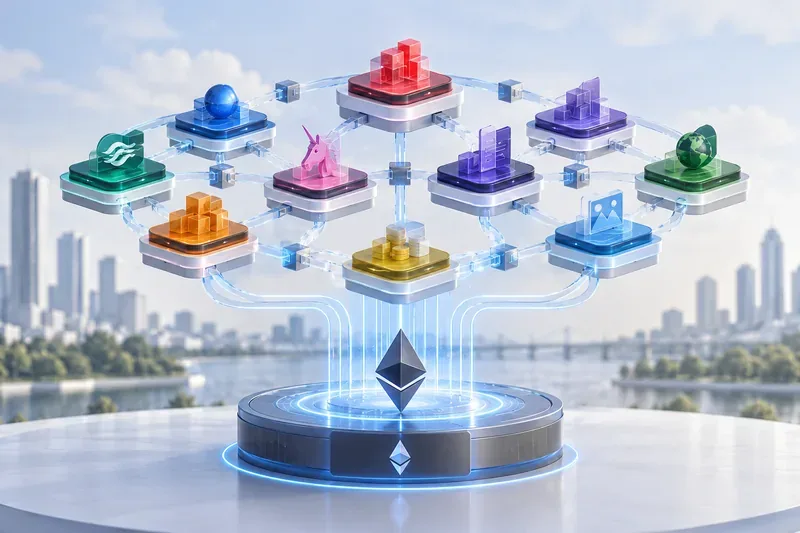
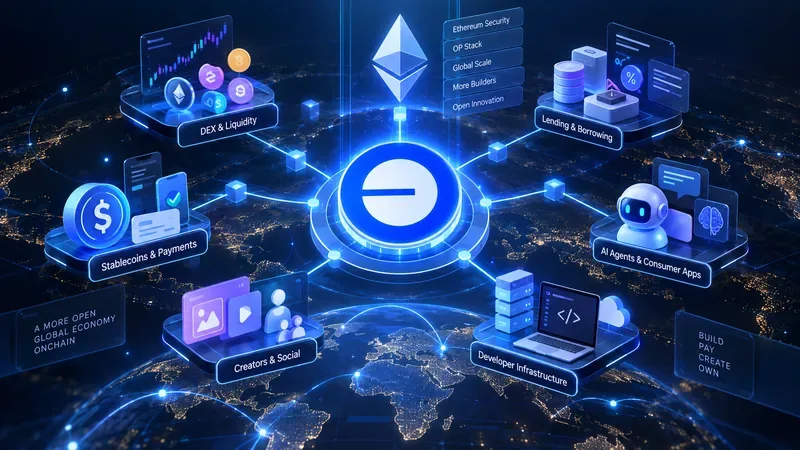
2026년 옵티미즘 슈퍼체인 가이드: 검증된 도입 지표, OP 스택의 장단점, 그리고 유니스왑, 에어로돔, 벨로드롬, Aave, 모포가 각기 다른 요구 사항에 어떻게 부합하는지 살펴봅니다.
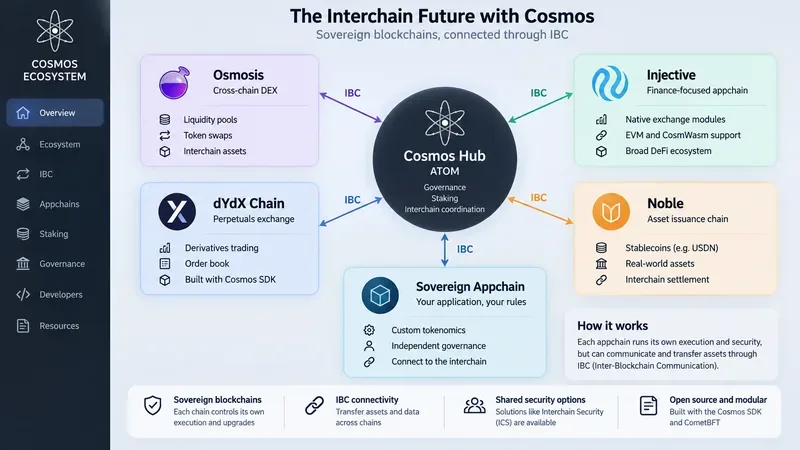
코스모스, 아톰, IBC, 앱체인이 어떻게 서로 연결되는지 이해하고, 오스모시스, dYdX 체인, 인젝티브, 노블, 그리고 인터체인 모델을 평가하는 방법을 알아보세요.
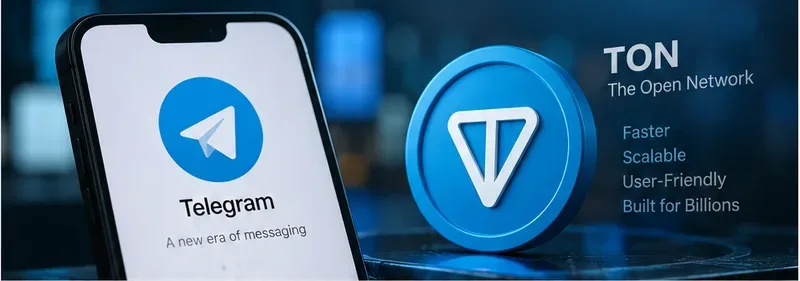
TON 생태계, 텔레그램 미니 앱, 지갑, 결제, DeFi 및 위험 요소를 살펴보고, 2026년 톤코인이 그램으로 개명되는 의미에 대해서도 알아보세요.
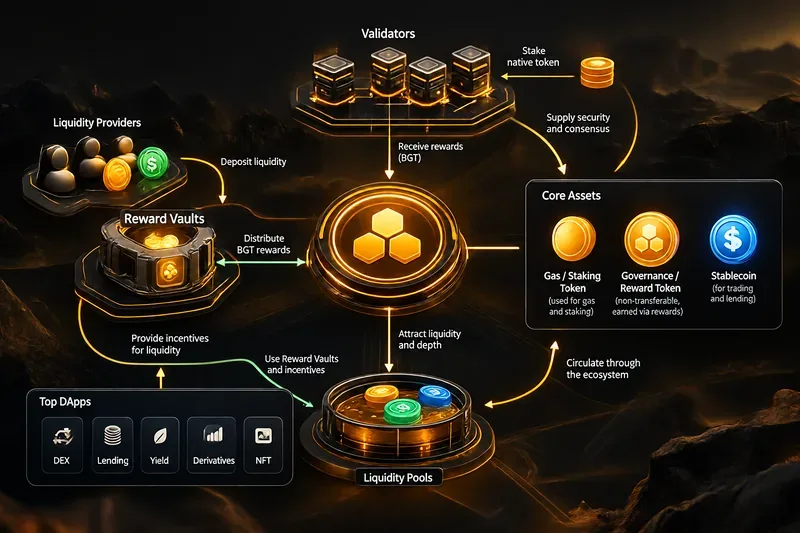
베라체인의 유동성 증명 모델, BERA, BGT, HONEY, 리워드 볼트, 그리고 BEX, Bend, Infrared, Kodiak, Dolomite, BeraBorrow 등 주목할 만한 DApp들을 살펴보세요.
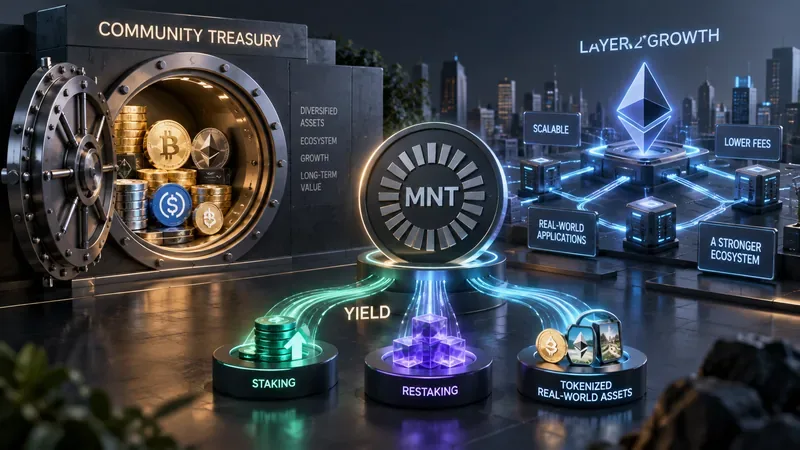
Mantle의 MNT 기반 생태계, 재무 구조, 수익률 계층, L2 아키텍처, 성장 신호 및 투자자들이 2026년에 주목해야 할 위험 요소를 이해하십시오.
모나드의 병렬 EVM, 생태계 성장세, 개발자 고려 사항, 그리고 이더리움, SEI, MegaETH와의 비교를 2026년을 기준으로 실질적으로 평가합니다.
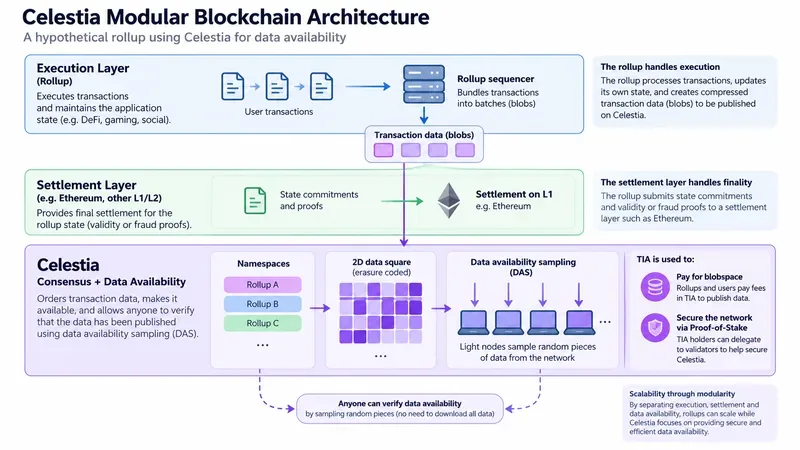
모듈형 블록체인, 데이터 가용성 샘플링, 네임스페이스, 블롭스트림, TIA 유틸리티, 그리고 롤업이 내재하는 장단점에 대해 설명하는 실용적인 셀레스티아 심층 분석입니다.
Aerodrome과 Morpho부터 Aave, Uniswap, Virtuals, Zora, Moonwell, 그리고 x402 에이전트 결제에 이르기까지 2026년 Base 생태계를 살펴보세요.
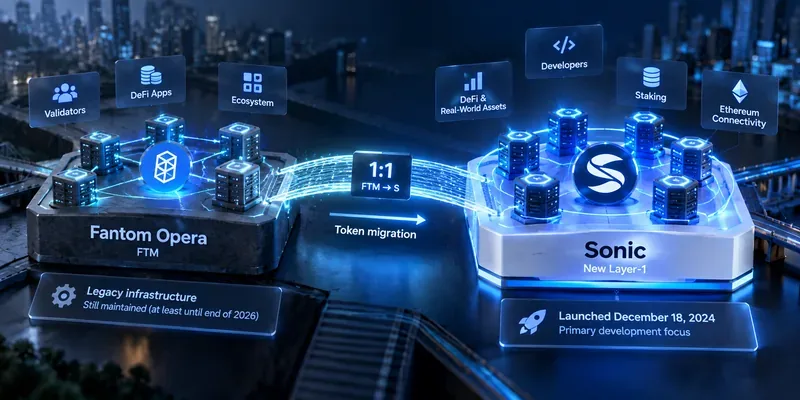
Fantom의 Sonic 전환, FTM에서 S로의 마이그레이션, Sonic의 아키텍처, 토큰 경제, 개발자 인센티브, 생태계 영향 및 2026년에도 여전히 중요한 위험 요소를 분석합니다.