4분기 암호화폐 리밸런싱 체크리스트: 위험 조정 수익률 향상을 위한 포지션 설정

이 4분기 암호화폐 체크리스트를 활용하여 자산 배분을 재조정하고, 집중도를 관리하고, 세금 및 자산 보관을 검토하고, 체계적인 위험 관리 계획으로 연말을 맞이하세요.
A DeFi application can have flawless smart-contract logic and still fail at the moment that matters most if its market data is stale, delayed, unavailable, or interpreted incorrectly. That is the practical oracle problem: a lending protocol may liquidate at the wrong price, a perpetual exchange may quote a market that has already moved, or a vault may keep operating after its reference market has closed.
Chainlink and Pyth Network both address this problem, but a simple “Chainlink vs. Pyth” comparison hides an important detail. Each now offers more than one data-delivery model. Chainlink has traditional onchain Data Feeds and low-latency Data Streams; Pyth has Pyth Core, Pyth Pro, and optional push infrastructure. The useful question is therefore not which brand is universally better, but which data path matches the application’s latency, asset coverage, trust assumptions, cost model, and failure controls.
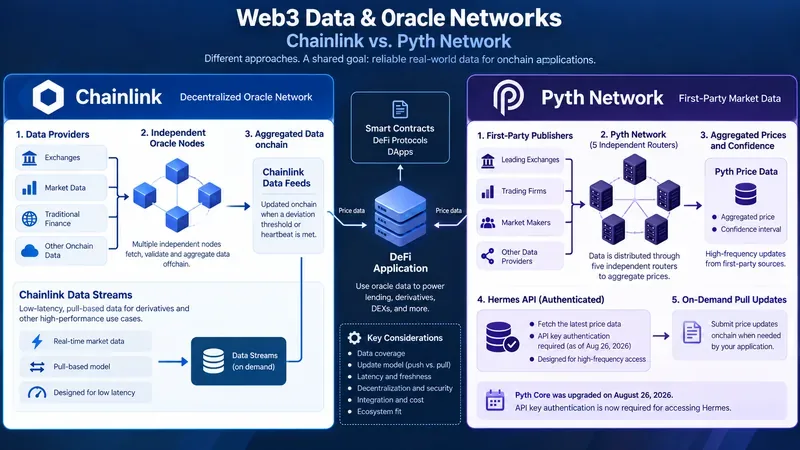
There is also a recent change developers should know about. On August 26, 2026, Pyth upgraded Pyth Core. Its public Hermes interface now requires API-key authentication, and the underlying architecture moved away from the older Pythnet/Wormhole path toward a system based on five independently operated routers with a 3-of-5 signing quorum. Existing interfaces were designed to remain compatible, but builders should verify that their integration is using the current endpoints and contracts. See the official Pyth Core upgrade documentation.
Start with the application, not the oracle vendor. A lending market that recalculates collateral every few minutes has different requirements from a perpetual exchange that promises near-instant execution. If the protocol cannot define an acceptable maximum data age, it cannot choose an oracle safely.
Chainlink Data Feeds are designed for data that can be published onchain when update conditions are met. In practice, price feeds typically update according to mechanisms such as a deviation threshold or heartbeat. That model is well suited to lending, collateral valuation, reserve checks, and other applications where continuously storing a current reference value onchain is useful.
Chainlink Data Streams targets a different class of workload. The current documentation describes it as a pull-based service that delivers low-latency market data offchain and allows applications to verify reports onchain only when needed. Chainlink states that Data Streams supports sub-second data resolution and is intended for latency-sensitive products such as perpetual futures, options, and prediction markets. See the official Chainlink Data Streams documentation.
Pyth Core also uses a pull model. An application or user fetches a signed price update, submits it to the Pyth contract, and then reads the verified price. The application can require a maximum age using functions such as getPriceNoOlderThan(). This makes freshness an explicit part of the transaction flow rather than relying only on a continuously updated onchain value. See Pyth’s explanation of why prices must be updated.
| Model | Main advantage | Main trade-off | Typical fit |
|---|---|---|---|
| Onchain push feed | Contracts can read an already-published value | Updates consume chain resources even when nobody uses them | Lending, collateral valuation, reference pricing |
| Pull-based report | Fetch and verify fresh data only when a transaction needs it | The application must handle fetching, authentication, submission, and failures | Perpetuals, options, low-latency execution |
| Managed push around a pull oracle | Simple reads while retaining pull infrastructure underneath | Someone must operate and fund the updater | Apps migrating from traditional push integration |
The distinction is no longer “Chainlink equals push, Pyth equals pull.” Chainlink Data Streams is explicitly pull-based, while Pyth documents sponsored push feeds on selected networks and provides a Price Pusher that teams can operate themselves. Architecture should therefore be compared product by product.
Chainlink Data Feeds aggregate data from multiple sources and publish the result through decentralized oracle networks. Chainlink’s documentation describes the design as combining a decentralized data model with Offchain Reporting, allowing multiple oracle nodes to reach agreement offchain before a report is transmitted onchain. This reduces the number of onchain transactions required for aggregation.
That design separates several risks: a protocol is not dependent on one exchange, one API, or one oracle node. However, integrators still need to inspect the specific feed they use. Chainlink maintains different feed categories and risk considerations, so the presence of a Chainlink interface alone does not mean every feed has identical data sources, liquidity quality, or update parameters. The starting point is the official Chainlink Data Feeds documentation.
Pyth’s model emphasizes direct contributions from market-data publishers such as exchanges, trading firms, market makers, and other financial data providers. Pyth publishes an aggregate price together with a confidence interval, which is useful because real markets do not have one perfectly uniform price at every instant.
The confidence interval can be incorporated into risk controls. For example, a lending protocol can value collateral conservatively when publisher dispersion grows, or pause a market when uncertainty becomes too high. Pyth’s official best-practices guide explicitly recommends considering confidence and staleness rather than treating the reported midpoint as infallible.
This is the biggest current-version issue in the comparison. Older descriptions of Pyth often explain Pythnet as the chain where publishers submitted prices, with Wormhole guardians relaying signed messages to other chains. Pyth’s current documentation says Pythnet is being shut down and that Pyth Pro now documents the current data architecture.
For upgraded Pyth Core, five independently operated routers calculate aggregates and sign Merkle roots. Hermes collects the signed roots and proofs, and onchain contracts verify a 3-of-5 signing quorum before accepting the requested aggregate. The Core contract ABI remains compatible with the previous interface, but newer contract addresses exist and API authentication is now required for Hermes access.
Builders relying on a 2024 or 2025 tutorial should therefore re-check endpoints, authentication, and contract addresses before deploying. The current technical description is in How the upgraded Pyth Core works.
For a contract that only needs a conventional onchain reference price, Chainlink Data Feeds can be operationally simple: read the appropriate aggregator contract and validate the returned timestamp and value according to the application’s risk rules.
Pyth Core adds an explicit update step in the canonical pull flow. The caller fetches price-update data from Hermes, pays the update fee, submits the update, and then consumes a sufficiently recent price. That can be a feature rather than a burden for latency-sensitive execution because the transaction can bring its own current data, but it gives the application more plumbing to own.
Chainlink Data Streams has similar operational concerns to any low-latency pull system: API or WebSocket access, report decoding, authentication, onchain verification, fallback behavior, and billing must all be handled. It is more appropriate to compare Pyth Core or Pro with Chainlink Data Streams for high-frequency trading than to compare them only with Chainlink’s traditional push feeds.
지연 시간은 엔드 투 엔드로 측정해야 합니다. 공급업체는 밀리초 또는 초 단위 미만의 데이터를 제공할 수 있지만, 애플리케이션에는 여전히 네트워크 지연 시간, API 지연 시간, 블록 생성, 트랜잭션 포함, 계약 실행 및 결제 로직이 존재합니다.
체인링크의 최신 데이터 스트림 문서에서는 초 단위 미만의 데이터 해상도와 온디맨드 검증 기능을 제공한다고 명시하고 있습니다. 파이썬 프로는 구독 및 통합 모드에 따라 밀리초 단위부터 50ms, 200ms, 1초 간격까지 다양한 실시간 및 고정 속도 채널을 지원합니다. 이러한 제품 수준의 기능은 숙련된 거래자들이 거래 지연을 통해 직접적인 수익을 창출할 수 있는 파생상품 및 시장 조성 시스템에서 특히 중요합니다.
대출 속도가 느리거나 금고처럼 보안이 취약한 경우, 지연 시간을 최소화하는 데 집중하면 비용과 복잡성만 증가할 뿐 안전성이 실질적으로 향상되지 않을 수 있습니다. 오히려 잘 설계된 데이터 만료 임계값과 보수적인 청산 규칙이 데이터 전송 경로에서 수십 밀리초를 단축하는 것보다 더 중요할 수 있습니다.
오라클 보안을 단일 노드 수로만 판단하지 마십시오. 전체 경로를 검토하십시오.
Pyth의 자체 보안 지침은 풀 업데이트에서 공격자 선택에 대해 경고합니다. 사용자는 허용된 시간 제약 조건을 충족하는 업데이트 중에서 선택할 수 있습니다. 따라서 엄격한 최신성 검사를 권장하며, 실행 가능한 시장의 경우 지연 결제, 신뢰도 기반 가격 책정, 보유 기간 및 노출 한도와 같은 기법을 사용할 것을 권장합니다.
체인링크 역시 개발자에게 타임스탬프 모니터링, 적절한 피드 선택, 그리고 비정상적인 시장 상황으로부터 애플리케이션을 보호할 책임을 부여합니다. 오라클 인프라는 데이터 위험을 줄일 수는 있지만, 프로토콜의 허용 가능한 레버리지, 청산 완충 장치 또는 시장 운영 시간 정책을 결정할 수는 없습니다.
체인링크는 기본적인 암호화폐/달러 피드를 훨씬 뛰어넘어 다양한 서비스를 제공하고 있습니다. 현재 제품 라인업에는 가격 및 준비금 정보 데이터 피드, 스마트 데이터, 환율 및 변동성 피드, L2 시퀀서 가동 시간 피드, 그리고 보고서 스키마에 따라 유동성 가중 호가 및 기타 시장 맥락 정보와 같은 더욱 풍부한 시장 정보를 제공하는 데이터 스트림이 포함됩니다.
Pyth 역시 단일 중간 지점을 넘어 확장된 서비스를 제공합니다. Pyth Core는 가격, 신뢰도 및 EMA 관련 데이터를 제공하는 반면, Pyth Pro는 더욱 풍부한 고빈도 시장 정보와 맞춤형 제공 방식을 제공합니다. Pyth는 2026년까지 상용 데이터 인프라 및 데이터 마켓플레이스 구축에도 주력할 계획입니다.
자산 적용 범위는 배포 시점에 확인해야 합니다. 두 제공업체 모두 피드를 추가, 수정 및 사용 중지합니다. 특정 체인, 서비스 계층 또는 과거 통합에서 사용 가능한 심볼이 다른 곳에서도 동일한 업데이트 특성으로 사용 가능하다고 절대 가정해서는 안 됩니다.
비용은 오라클 구독료만이 아닙니다. 블록체인 가스, 트랜잭션 업데이트, API 접근, 검증 호출, 엔지니어링 노력, 모니터링, 이중화 및 백업 인프라를 모두 포함해야 합니다.
체인링크 데이터 피드는 지속적인 게시 작업을 피드를 후원하는 생태계에 위탁하는 경우가 많지만, 데이터 스트림은 온디맨드 보고서에 대한 자체 요금 모델을 사용합니다. 체인링크는 지원되는 피드가 사용량과 경제적 지속 가능성이 더 이상 운영을 정당화하지 못할 경우 지원이 중단될 수 있다고 명시합니다.
2026년에 Pyth의 경제 구조에 상당한 변화가 있었습니다. Pyth는 Pyth Core용 상용 데이터 모델을 발표했으며, 8월 26일 Core 업그레이드 이후 Hermes 접근에는 API 키가 필요합니다. Pyth 문서에서는 사용자가 인증 없이 무제한 API 접근이 가능하다고 가정하기보다는 현재 요금제를 확인하도록 안내하고 있습니다. 또한 온체인 풀 업데이트에는 Pyth 계약에서 계산한 업데이트 수수료가 부과됩니다.
소규모 대출 프로토콜의 경우, 항상 가동되고 지연 시간이 짧은 인프라는 불필요할 수 있습니다. 하지만 대규모 무기한 거래소의 경우, 더 나은 데이터와 이중화된 연결에 투자하는 것이 오래된 거래 실행으로 인한 역선택 손실을 감수하는 것보다 저렴할 수 있습니다.
먼저 원하는 자산 및 시장 관행에 맞는 안정적인 Chainlink 데이터 피드 또는 Python 피드가 대상 블록체인에 존재하는지 확인하십시오. 업데이트 방식, 데이터 소스, 거래 시간 및 통합에 필요한 운영 부담을 비교해 보세요. 단순히 브랜드 인지도만으로 선택하지 마십시오.
기존 푸시 피드만을 벤치마크로 사용하는 대신, Chainlink 데이터 스트림을 Python Core 또는 Python Pro와 비교해 보세요. 자체 블록체인 환경에서 데이터 생성부터 실행 가능한 정산까지의 엔드투엔드 지연 시간을 측정해 보세요.
데이터의 품질 신호를 활용하세요. Pyth의 신뢰 구간은 스프레드, 담보 할인 또는 일시 중지 임계값에 직접 통합할 수 있습니다. Chainlink의 경우, 특정 보고서 스키마, 타임스탬프, 소스 방법론 및 해당 상품에 사용할 수 있는 추가 시장 상태 필드를 검사하세요.
데이터 검색 및 애플리케이션에 대한 중복 대체 기능을 설계하십시오. Chainlink Data Streams 문서에는 다중 사이트 액티브-액티브 전송 및 고가용성 SDK 모드가 설명되어 있습니다. Python Pro 및 Core 통합 시 API 가용성, 인증, 최신 계약 주소, 그리고 가격 정보가 오래될 가능성을 고려해야 합니다.
일부 프로토콜은 여러 개의 독립적인 오라클 경로를 비교하거나, 회로 차단기를 사용하거나, 보조 피드를 유지합니다. 이는 복원력을 향상시킬 수 있지만, 새로운 거버넌스 문제를 야기할 수도 있습니다. 즉, 계약은 소스 간 불일치가 발생할 경우 어떻게 처리해야 할지 결정해야 합니다. 단순히 더 유리한 가격을 맹목적으로 선택하는 폴백 방식은 안전 장치라고 할 수 없습니다.
| 요구 사항 | 체인링크 접근법 | 파이썬 접근 방식 |
|---|---|---|
| 기존 온체인 참조 가격 | 데이터 피드는 집계된 값을 온체인에 게시합니다. | Python Core는 필요에 따라 업데이트할 수 있으며, 선택적으로 푸시 피드를 받을 수도 있습니다. |
| 지연 시간이 짧은 데이터 가져오기 | 오프체인 전송 및 온체인 검증을 지원하는 데이터 스트림 | Pyth Core 풀 업데이트 및 고성능 Pyth Pro |
| 데이터 불확실성 신호 | 공급 또는 스트림 스키마 및 시장 분야에 따라 다릅니다. | 가격에 명시적 신뢰 구간을 더한 값 |
| 통합 책임 | 간단한 피드 읽기부터 전체 데이터 스트림 API 및 검증 흐름에 이르기까지 다양한 범위를 지원합니다. | 풀 플로우는 최신 업데이트를 가져오고, 제출하고, 유효성을 검사하는 과정을 필요로 합니다. |
| 2026년 운영 문제 | 피드 및 스트림은 추가되거나 더 이상 지원되지 않을 수 있으므로 공식 릴리스 노트를 확인하십시오. | 코어 업그레이드는 2026년 8월 26일에 완료되었으며, Hermes는 이제 API 키 인증을 요구합니다. |
Oracle 통합 기능을 실제 운영 환경에 배포할 준비가 되었다고 판단하기 전에, 정상적인 작동 경로만 테스트하지 말고 오류 발생 가능성 검토를 실행해야 합니다. 유용한 체크리스트는 다음과 같습니다.
이러한 검증을 통해 명확하고 예측 가능한 동작이 확인된다면, 오라클 선택은 단순히 평판에 의존하기보다는 애플리케이션의 요구 사항에 부합하는 것일 가능성이 높습니다. Chainlink와 Pyth는 모두 외부 금융 데이터를 Web3로 가져오는 성숙한 방식을 제공하지만, 두 회사의 가장 강력한 기능은 점차 중복되고 있습니다. Chainlink는 푸시 및 풀 모델을 모두 제공하며, Pyth는 애플리케이션에서 트리거되는 풀 업데이트와 선택형 푸시 패턴을 모두 지원합니다. 최종 결정 요인은 특정 시장, 지연 시간 허용 범위, 보안 가정, 운영 역량, 그리고 데이터를 사용하는 프로토콜의 장애 처리 정책이 되어야 합니다.
최신 구현 세부 정보는 Chainlink 데이터 피드 문서 , Chainlink 데이터 스트림 문서 , Python 코어 문서 및 Python Pro 문서를 참조하십시오 . 엔드포인트, 피드, 인증 및 지원 네트워크는 변경될 수 있으므로 배포 시점에 이러한 주요 자료를 다시 확인해야 합니다.
이 4분기 암호화폐 체크리스트를 활용하여 자산 배분을 재조정하고, 집중도를 관리하고, 세금 및 자산 보관을 검토하고, 체계적인 위험 관리 계획으로 연말을 맞이하세요.
Learn how RWA tokenization connects Treasury bills to blockchain finance, using BlackRock BUIDL to explain ownership, custody, access, yield, and risk.
Compare Chainlink Data Feeds and Data Streams with Pyth Core and Pyth Pro, including push vs. pull updates, latency, security, costs, and 2026 integration changes.
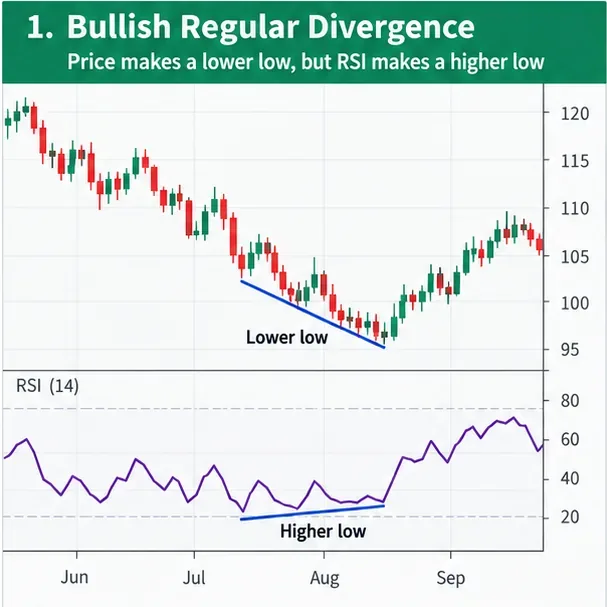
상승 및 하락 RSI 다이버전스를 식별하는 방법, 반전 설정을 확인하는 방법, 잘못된 신호를 피하는 방법, RSI 설정을 선택하는 방법, 그리고 실용적인 거래 체크리스트를 사용하는 방법을 알아보세요.
Off The Grid, NIGHT CROWS W, Yakkamon을 포함한 2026년 4분기 가장 유망한 Web3 게임 출시작과 주요 생태계 위험 요소에 대한 사실 확인 검토 보고서입니다.
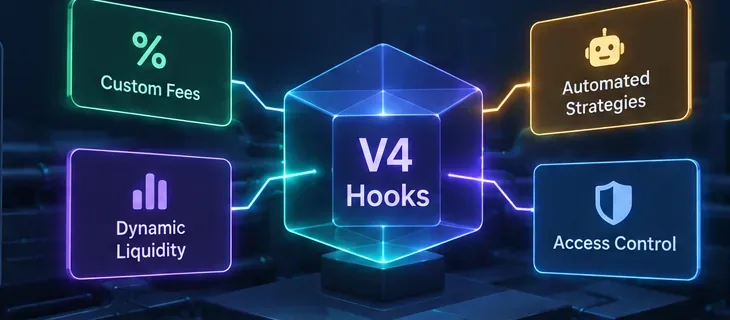
Uniswap v4 훅을 사용하여 동적 수수료부터 접근 제어까지 유동성 풀을 맞춤 설정하는 방법을 알아보고, 실질적인 이점, 위험 및 사용 사례를 비교해 보세요.
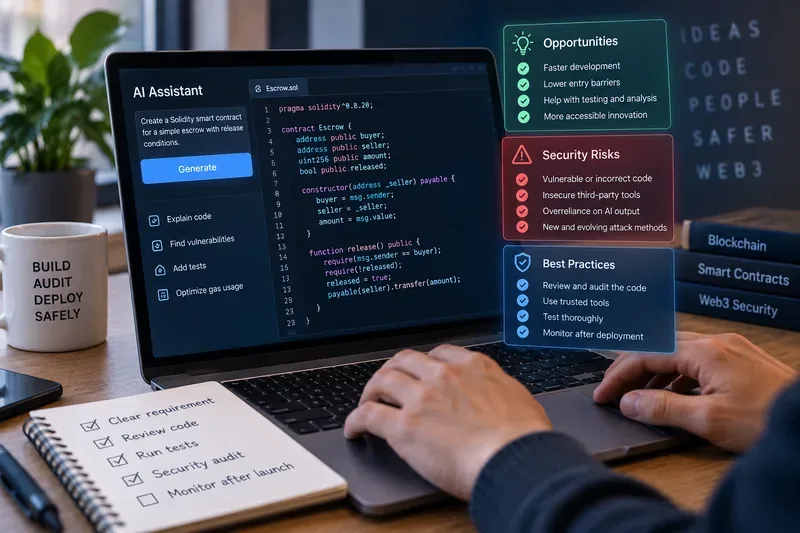
AI는 스마트 계약 개발 속도를 높일 수 있지만, 생성된 코드도 여전히 사람의 검토, 테스트, 보안 라이브러리 추가 및 감사가 필요합니다. 실제 기회와 위험을 비교해 보세요.
CryptoPanic, Kaito, Messari, Glassnode, Nansen, Arkham, Coin Metrics 등 전문 트레이딩을 위한 주요 암호화폐 뉴스 애그리게이터 및 리서치 플랫폼을 비교해 보세요.
비트코인은 공급량이 고정되어 있지만, 그렇다고 완벽한 인플레이션 헤지 수단은 아닙니다. 비트코인이 인플레이션 헤지에 도움이 될 수 있는 경우와 그렇지 못한 경우, 그리고 그 가설을 검증하는 방법을 알아보세요.
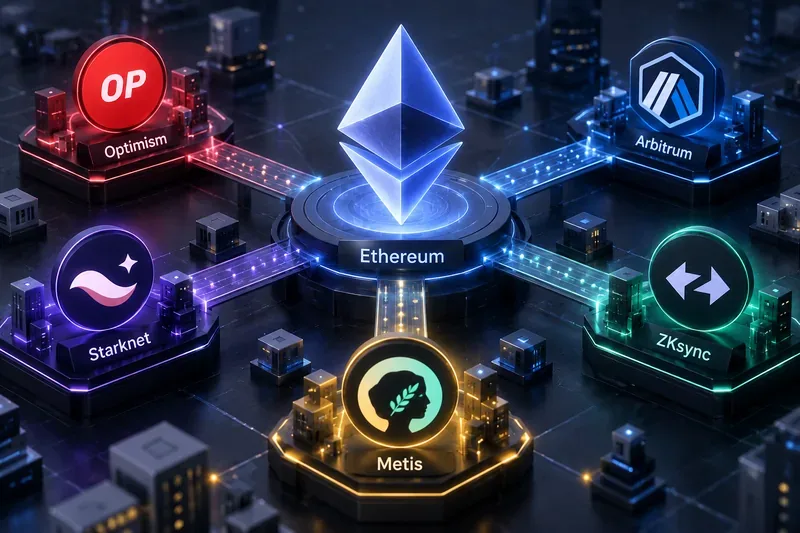
2026년에 저평가될 가능성이 있는 5개의 레이어 2 토큰을 연구 기반으로 분석하고, 토큰의 유용성, 가치 포착, 위험 해소 가능성 및 현재 촉매 요인에 초점을 맞춥니다.