토큰 분배 분석: 내부자 지갑 식별 방법
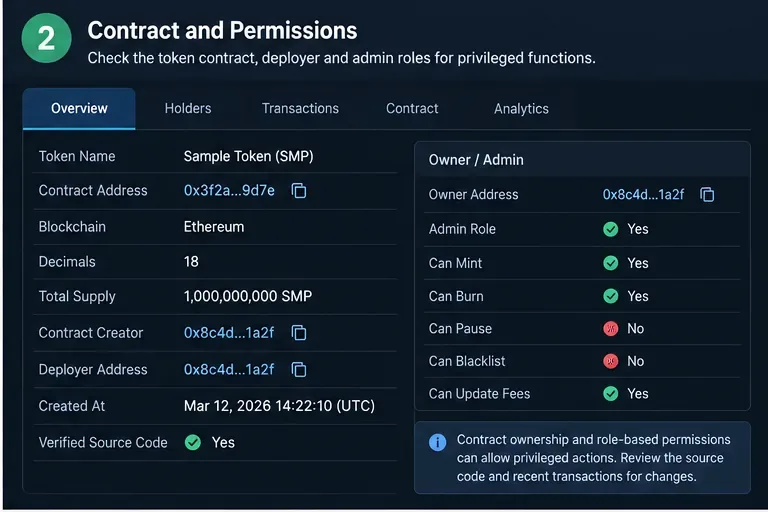
보유자 집중도, 배포자 관계, 자금 조달 패턴, 라벨 및 온체인 행동을 활용하여 내부자 연루 가능성이 있는 암호화폐 지갑을 식별하는 실용적인 프레임워크.
A large wallet buys a token, a dashboard calls it “smart money,” and social media immediately treats the transaction as a trading signal. That sequence looks simple, but several different kinds of information have been mixed together. The blockchain may verify that an address moved tokens. It usually does not verify why the transfer happened, who ultimately controls the address, or whether copying the trade will be profitable.
That distinction is the foundation of useful on-chain analysis. The goal is not to turn every large transaction into a prediction. It is to separate what is directly recorded on-chain, what an analytics provider has inferred, and what remains unknown. Once you do that, whale tracking becomes a research tool rather than a source of false certainty.
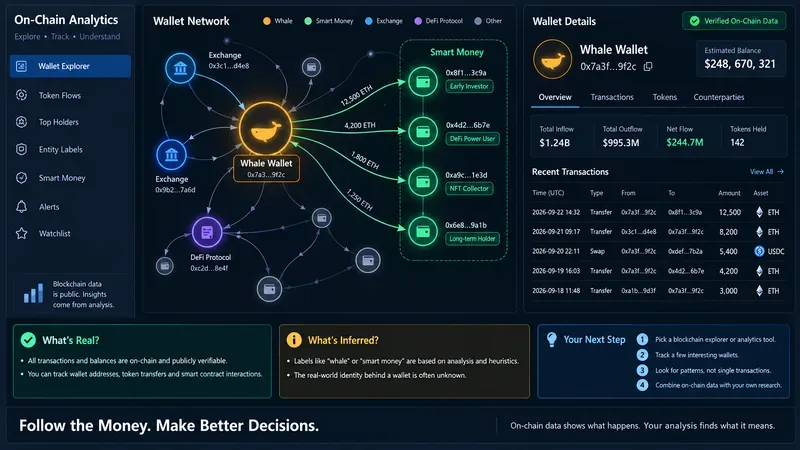
On-chain data is information recorded on a blockchain ledger. On Ethereum, for example, block explorers can expose transaction hashes, timestamps, sender and recipient addresses, token transfers, account balances, transaction history, contract interactions, and other execution data. Ethereum’s official documentation describes block explorers as interfaces to real-time blockchain data and notes that Ethereum is transparent by design. See Ethereum.org’s block explorer documentation.
Verified: if a finalized transaction shows that address A transferred 5,000 tokens to address B, that event can be checked independently against the chain.
Context-dependent: whether that transfer is a purchase, sale preparation, internal treasury movement, bridge operation, collateral transfer, market-maker inventory shift, or something else depends on the counterparties and smart-contract calls involved.
Unknown from the transfer alone: the owner’s motive and future action.
Action: when you see a dramatic wallet alert, open the transaction itself before reading commentary about it. Record the chain, transaction hash, token, amount, timestamp, sender, recipient, and contract interaction first.
A whale is generally a wallet or entity holding or moving a large amount of crypto relative to the asset or market being studied. There is no single universal balance threshold that makes an address a whale across every token and chain. A $10 million position may be enormous in one small-cap asset and routine for an exchange wallet in a large market.
Smart money is a different concept. Analytics services may use the term for traders or institutions that meet a provider’s performance or classification methodology. Nansen’s current API documentation, checked in September 2026, separates whale filtering from smart-money filtering and lists smart-money categories such as “Fund,” “Smart Trader,” and performance-window labels such as “30D Smart Trader.” Its documentation describes smart money as sophisticated participants that include institutional funds and historically profitable traders. See Nansen’s Smart Money documentation and Nansen’s core concepts.
Verified: a wallet’s balance, transfers, and contract interactions can be measured on-chain.
Provider-defined: whether a wallet qualifies as “smart money” depends on a particular labeling methodology, performance window, and dataset.
Not established: a large wallet is not automatically a skilled trader, and a historically profitable trader is not guaranteed to be profitable on the next trade.
Action: keep separate watchlists for “large holders” and “performance-labeled traders.” Do not merge them into one category unless you have evidence that a wallet meets both criteria.
One of the most common beginner mistakes is treating an address as if it were a named human brokerage account. On Ethereum, an account can be an externally owned account or a smart-contract account, and a wallet application is merely an interface for interacting with accounts. See Ethereum.org’s account documentation.
Real entities can also control many addresses. Exchanges may use deposit addresses, hot wallets, cold wallets, treasury wallets, and operational wallets. Funds and protocols may similarly spread activity across multiple accounts. This is why analytics platforms build entities: clusters of addresses believed to belong to the same organization or actor.
Arkham’s current API guide explicitly describes its model as entity-first and says attribution is confidence-scored rather than a binary claim. Its documentation also says labels evolve as new signals appear. See Arkham’s API guide.
Verified: each address has its own on-chain history.
Inferred: grouping multiple addresses into one real-world entity requires attribution research or heuristics.
Action: before drawing conclusions about a “whale,” check whether the address belongs to a known exchange, protocol, bridge, market maker, fund, custodian, or multisignature treasury. Entity context can completely change the meaning of a transfer.
Human-readable labels make blockchain data far easier to interpret, but they sit on top of the raw ledger. Nansen states that it assigns labels using research and heuristics, while Arkham uses structured entities, address labels, tags, and confidence-scored attribution. Arkham also distinguishes provider attribution from user-created private labels. See Arkham’s tagging-system explanation.
This matters because an unlabeled address is not necessarily unimportant, and a labeled address is not necessarily identified with absolute certainty. Some services distinguish high-confidence attributions from predictions or user-generated labels. Arkham has previously documented lower-confidence entity predictions separately from verified entities and notes that custom labels may be created by users. See Arkham’s entity-prediction explanation.
Verified: the address and its transactions exist on-chain.
Inferred: the real-world identity attached to that address may depend on evidence outside the blockchain.
Action: when identity matters to your thesis, check the label source, confidence status, and whether another reputable dataset independently reaches the same attribution.
Suppose a wallet is known to have been profitable in the past. The next useful question is not “Should I copy it?” but “What behavior produced that record?”
Review:
Nansen’s current smart-money API exposes categories such as holdings, DEX trades, net flows, historical holdings, and other wallet activity. Its methodology notes that historical holdings use historical daily prices rather than recalculating old balances using today’s prices, which is important when evaluating past behavior. See Nansen’s data methodology.
Action: inspect several months of history before treating a wallet as informative. One spectacular trade is a weak sample; repeated behavior across different market conditions is more meaningful.
거래소로의 자금 유입은 보유자가 매도를 준비하고 있을 가능성이 있어 종종 약세 신호로 해석됩니다. 이는 타당한 가설이지만 유일한 설명은 아닙니다. 자금은 담보 제공, 파생상품 증거금, 내부 리밸런싱, 수탁, 시장 조성, 장외 결제 또는 운영상의 이유로 거래소로 이동할 수 있습니다.
난센의 자체 흐름 분석 문서에서는 거래소 유입을 매도 압력 지표로, 유출을 매수 신호로 활용하면서, 이러한 지표들을 다른 정보와 연관시켜 분석하는 패턴으로 명시적으로 제시합니다. 자세한 내용은 난센의 흐름 분석 문서를 참조하십시오 .
확인됨: 목적지 정보가 올바르면 토큰이 알려진 거래소 관리 주소로 전송되었습니다.
상황에 따라 다릅니다. 판매 가능성을 높일 수는 있지만, 판매가 실제로 발생했다는 것을 증명하는 것은 아닙니다.
조치: 다음 단계를 따르십시오. 입금 시점에만 머무르지 말고, 이후의 거래 활동, 토큰 잔액 변동, DEX 거래, 파생상품 포지션(확인 가능한 경우) 및 가격 변동 추이를 살펴보십시오.
대규모 이체는 단순히 동일 주체가 관리하는 지갑 간의 자산 이동일 수 있습니다. 거래소는 정기적으로 핫 스토리지와 콜드 스토리지의 자산 균형을 재조정합니다. 자금은 수탁 기관 간에 자산을 이동할 수 있으며, 프로토콜 재무부는 지갑을 재구성할 수 있습니다. 따라서 단순 이체 카운터는 경제 활동을 과장할 수 있습니다.
엔티티 집계는 이러한 문제를 줄이는 데 도움이 됩니다. Nansen의 홀더 도구는 엔티티별로 관련 주소를 집계할 수 있으며, Arkham은 엔티티를 동일한 조직 또는 개인과 관련된 주소 그룹으로 정의합니다.
조치: 두 개의 대규모 주소가 상호 작용하는 경우, 두 주소가 동일한 주체에 속하는지 확인하십시오. 만약 그렇다면, 추가적인 증거를 통해 실질 소유권 변경이 확인되지 않는 한 해당 이벤트를 내부 이체로 분류하십시오.
ERC-20 잔액만으로는 정교한 지갑이 실제로 무엇을 하는지 파악하기 어렵습니다. 자산은 대출 프로토콜에 예치되거나, 유동성 풀에 공급되거나, 스테이킹되거나, 브릿징되거나, 래핑되거나, 볼트에 보관되거나, 수령 토큰으로 표시될 수 있습니다. 스마트 계약과의 상호 작용은 단순한 자산 이체만큼이나 중요합니다.
이더리움의 거래 모델에는 거래가 계약 로직을 호출할 수 있도록 하는 입력 데이터 필드가 포함되어 있으며, 익스플로러는 토큰 전송과 함께 계약 상호 작용을 표시할 수 있습니다. 자세한 내용은 Ethereum.org의 거래 문서를 참조하십시오 .
조치: 토큰이 지갑에서 나갈 때, 판매로 간주하기 전에 목적지 계약을 식별해야 합니다. 대출 프로토콜에 예치하는 것은 거래소로 토큰을 보내는 것과는 경제적으로 다릅니다.
모든 블록체인에서 모든 고래 투자자를 추적하려다 보면 오히려 혼란만 가중됩니다. 이더리움 네트워크에서의 ETH 활동이나 특정 토큰 생태계처럼 이미 잘 알고 있는 시장부터 시작하는 것이 좋습니다.
실행 방안: 소규모 연구 환경을 조성합니다. 하나의 블록체인, 하나의 토큰, 그리고 10~20개의 주소 또는 주체로 구성합니다.
분석 대시보드는 해석 속도를 높여주지만, 기본 거래 내역은 블록체인 탐색기를 통해 검증할 수 있어야 합니다. 이더리움 공식 문서에서는 블록 탐색기를 계정, 거래, 계약, 블록 및 토큰을 검사하는 도구로 명시하고 있습니다.
조치: 중요하다고 생각되는 모든 이벤트에 대한 주소 및 거래 해시 링크를 저장하십시오.
실제 사건이 확인되면 신뢰할 수 있는 분석 데이터 세트를 사용하여 해당 주소를 누가 소유하고 있는지, 그리고 해당 주소와 관련된 행동 이력은 무엇인지 파악하십시오.
조치: 제공자, 레이블, 가능한 경우 신뢰도 수준 및 확인 날짜를 기록합니다. 레이블은 변경 불가능한 사실이 아닌 연구 메타데이터로 취급합니다.
단일 거래는 하나의 지점일 뿐이지만, 지갑 거래 내역은 하나의 패턴입니다. 반복적인 축적, 분산, 거래소 이용, 탈중앙화 거래소(DEX)의 움직임, 프로토콜 상호작용 및 실현된 결과를 살펴보세요.
조치: 날짜, 지갑/법인, 거래, 자산, 금액, 거래 상대방, 해석, 신뢰도 및 후속 결과를 기록하는 간단한 거래 일지를 작성하십시오.
여러 개의 독립적으로 성공적인 지갑이 비슷한 기간에 동일한 자산으로 이동할 때 더 강력한 신호가 나타날 수 있습니다. 하지만 그렇더라도 공통적인 노출은 개별적인 확신보다는 동일한 시나리오, 인센티브 프로그램, 시장 조성 전략 또는 토큰 언락을 반영하는 것일 수 있습니다.
조치: 최소한 여러 지갑을 비교하고 거래가 실제로 독립적인지 확인하십시오.
온체인 데이터는 온체인에서 발생한 일을 알려줍니다. 토큰 잠금 해제, 거버넌스 결정, 베스팅 일정, OTC 계약, 마켓 메이커 권한, 법적 제한 또는 오프체인 헤지 등의 정보는 포함하지 않을 수 있습니다.
조치 사항: 지갑 활동을 시장 분석으로 전환하기 전에 프로젝트의 공식 문서, 거버넌스 제안, 토큰 배포 정보 및 기타 주요 자료를 읽어보세요.
| 관찰 | 상태 | 합리적으로 말할 수 있는 것 | 섣불리 가정해서는 안 되는 것 |
|---|---|---|---|
| 주소가 DEX에서 토큰을 구매합니다. | 직접 검증 가능 | 해당 주소는 기록된 조건에 따라 스왑 거래를 실행했습니다. | 소유주는 가격이 오를 것으로 예상합니다. |
| 주소는 매우 큰 잔액을 보유하고 있습니다. | 직접 검증 가능 | 선택하신 기준에 따라 주요 보유자입니다. | 그는 숙련된 투자자입니다. |
| 분석 서비스 제공업체는 이를 "스마트 트레이더"라고 부릅니다. | 공급자 정의 | 이는 해당 제공업체의 방법론을 충족합니다. | 향후 거래는 더 나은 성과를 낼 것입니다. |
| 토큰은 지정된 거래소 지갑으로 이동합니다. | 전송이 확인되었습니다. 라벨이 부여될 수 있습니다. | 자금이 거래소 주소로 이체되었습니다. | 판매는 확실히 이루어졌습니다. |
| 여러 주소가 하나의 펀드로 묶입니다. | 어트리뷰션 기반 | 서비스 제공업체는 해당 주소들이 공동 관리권 또는 소유권을 공유한다고 생각합니다. | 이 그룹화는 수학적으로 확실합니다. |
| 지갑이 알 수 없는 컨트랙트로 토큰을 전송합니다. | 송금 확인됨 | 계약 상호작용을 해독할 수 있습니다. | 계약의 동작 방식이 파악될 때까지 토큰이 판매되었습니다. |
아무리 잘 만들어진 스마트 머니 라벨이라도 피할 수 없는 한계가 있습니다. 과거 수익성은 전략에 따라 달라질 수 있습니다. 지갑은 오프체인이나 다른 플랫폼에서 헤지할 수 있습니다. 지갑의 위험 감수 성향은 개인 투자자와 완전히 다를 수 있습니다. 펀드는 개인 투자자가 접근할 수 없는 유동성, 자금 조달, 정보 또는 거래 실행 도구에 접근할 수 있습니다. 또한 공개된 지갑은 더 큰 포트폴리오의 일부일 뿐일 수도 있습니다.
또한 생존 위험도 존재합니다. 수익성 있는 거래를 통해 유명해진 지갑에만 초점을 맞추면 그러한 성과가 사전에 얼마나 예측 가능했는지를 과대평가할 수 있습니다.
실행 방안: 스마트 머니 활동을 가설 생성기로 활용하세요. 지갑이 무엇을 보고 있는지, 어떤 대안적 설명이 데이터에 부합하는지, 그리고 어떤 증거가 당신의 해석이 틀렸음을 증명할 수 있는지 자문해 보세요.
조치: 게시물이 긴급성을 유발하는 경우, 처리 속도를 늦추십시오. 헤드라인을 그대로 받아들이는 대신, 거래 내역을 중심으로 주장을 재구성하십시오.
온체인 분석은 블록체인이 거래, 잔액, 계약 상호 작용에 대한 검증 가능한 기록을 제공하기 때문에 강력합니다. 하지만 어려운 부분은 원시 데이터 이후에 시작됩니다. 누가 특정 주소를 소유하는지, 여러 지갑이 동일한 주체에 속하는지, 전송의 의미는 무엇인지, 과거 지갑 실적이 미래를 예측하는 데 유용한 정보를 제공하는지 등을 판단해야 합니다.
초보자에게 가장 중요한 습관은 간단합니다. 먼저 검증하고, 두 번째로 분류하고, 마지막으로 해석하는 것입니다 . 대규모 자금이 투입되는 지갑(고래 지갑)을 추적하여 자금 흐름과 시장 구조를 파악하세요. 성과가 좋은 거래자들이 사용하는 지갑을 추적하여 반복적인 거래 패턴을 연구하세요. 하지만 지갑 규모, 제공업체 이름, 또는 단 한 번의 대규모 이체만으로 거래 전략을 완전히 판단해서는 안 됩니다.
주의사항: 암호화폐 시장은 변동성이 크며, 온체인 기여도 분석이 불완전하거나 잘못될 수 있고, 과거 지갑 실적이 미래 결과를 보장하지 않습니다. 본 자료는 교육 목적으로 작성되었으며 개별 투자 조언을 제공하지 않습니다.
보유자 집중도, 배포자 관계, 자금 조달 패턴, 라벨 및 온체인 행동을 활용하여 내부자 연루 가능성이 있는 암호화폐 지갑을 식별하는 실용적인 프레임워크.
위험 예산, 토큰 실사, 지갑 보안, 신중한 거래 실행, 청산 규칙 및 세금 기록을 활용하여 밈 코인을 거래하는 방법을 알아보세요.
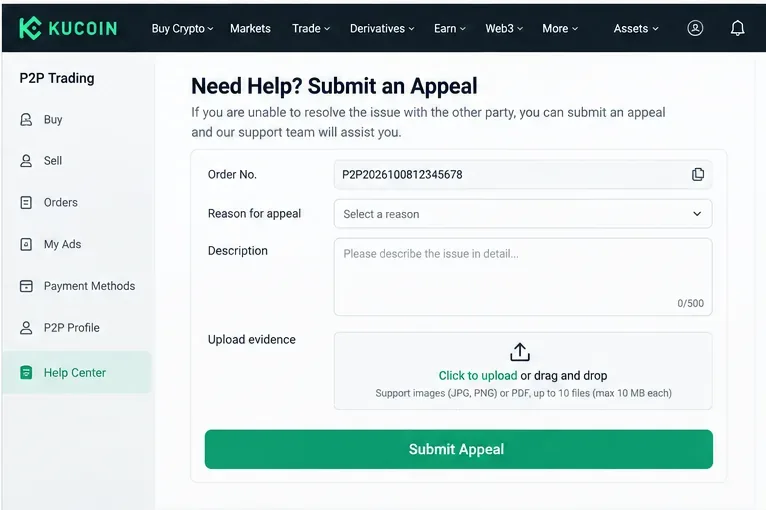
KuCoin P2P를 사용하여 암호화폐를 사고팔고, 결제를 확인하고, 최적의 상품을 선택하고, 흔한 사기를 피하고, 분쟁을 안전하게 처리하는 방법을 알아보세요.
Learn what crypto airdrops are, how eligibility rules work, which myths to avoid, and how to pursue major opportunities without risking your wallet.
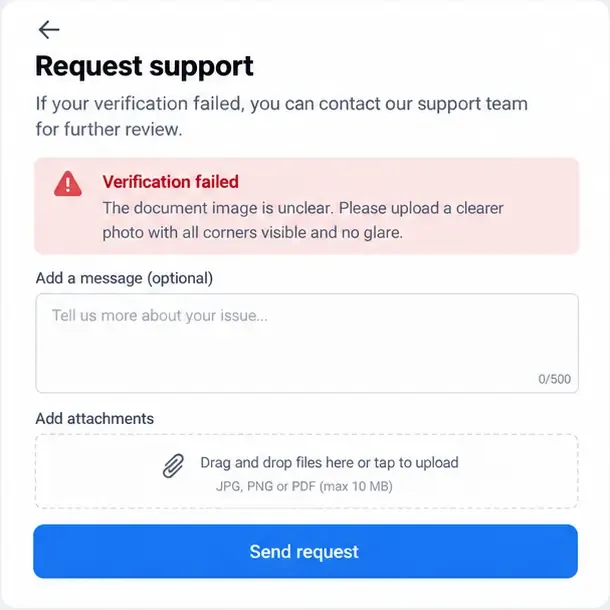
바이낸스, 바이빗, OKX에서 KYC 인증 실패를 해결하는 방법을 알아보세요. 서류, 셀카, 데이터 불일치, 계정 문제 등을 바로잡는 방법을 알려드립니다.
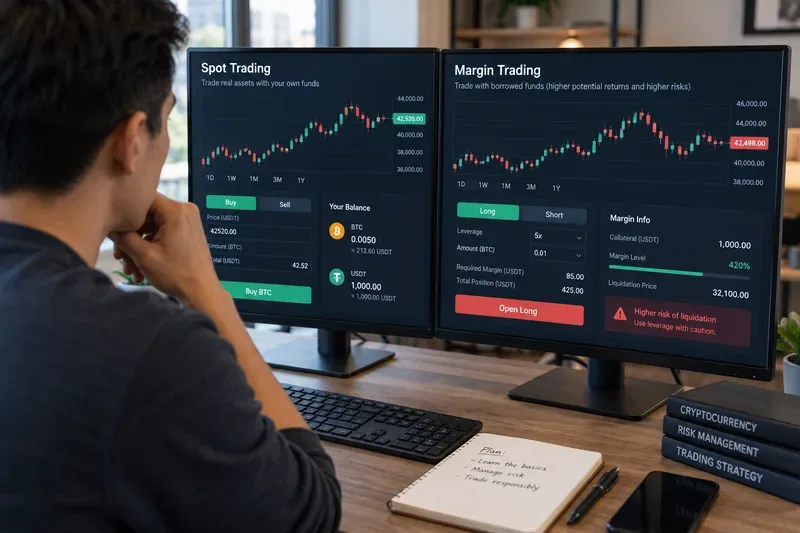
암호화폐 거래에서 현물 거래와 마진 거래의 차이점을 알아보세요. 소유권, 레버리지, 청산 위험, 비용, 주문 유형, 초보자 위험 점검 사항 등을 다룹니다.
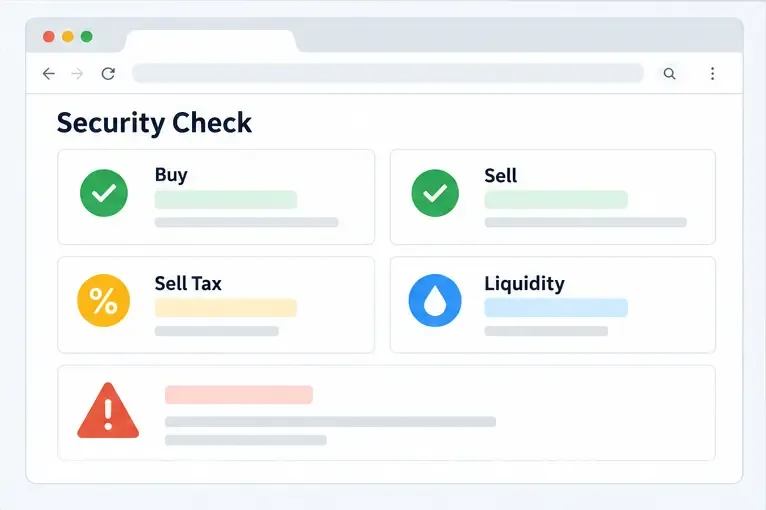
암호화폐 사기에서 토큰 판매를 차단하는 허니팟 수법, 투자금을 위험에 빠뜨리기 전에 판매 시뮬레이션, 세금, 유동성 및 계약 제어를 확인하는 방법을 알아보세요.
주가 조작 사기(펌프 앤 덤프)의 작동 방식, 주의해야 할 경고 신호, 그리고 조작된 주식 및 암호화폐 자산으로부터 투자금을 보호하기 위한 실질적인 조치를 알아보세요.
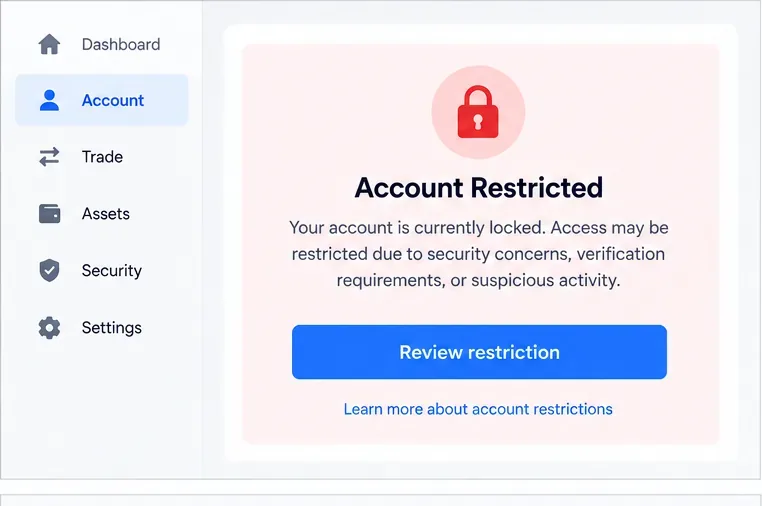
잠긴 암호화폐 거래소 계정을 안전하게 복구하는 방법, 본인 확인 서류 준비, 보안 검사 완료, 사기 방지, 그리고 승인 지연에 대처하는 방법을 알아보세요.
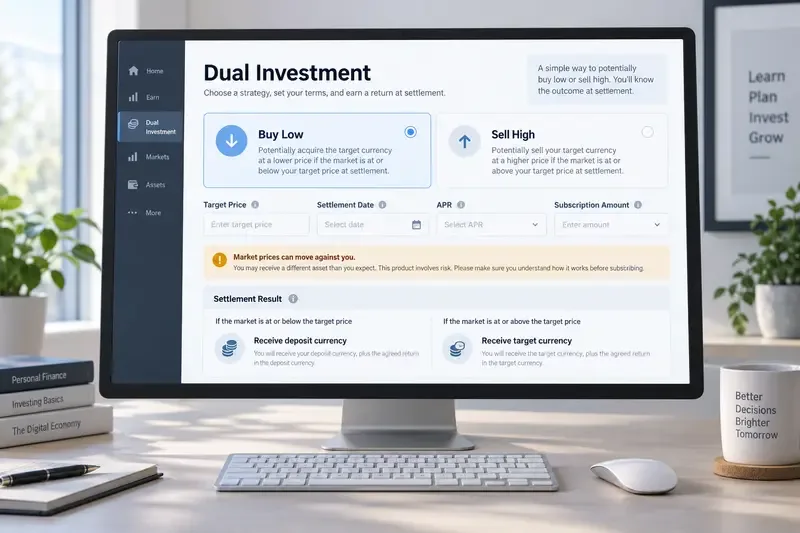
Learn how Binance Dual Investment works, including Buy Low, Sell High, settlement, APR, liquidity limits, market risk, and Auto-Compound.