What is Nomad?
Nomad is a cross-chain messaging that allows users to transfer assets between different ecosystems and between different blockchains. Currently Nomad is supporting chains like Avalanche (AVAX), Ethereum (ETH), Evmos (EVMOS), Milkomeda C1 and Moonbeam (GLMR). However, compared to competitors in the same segment, such as Wormhole, LayerZero , Multichain, Celer…, Nomad is still far behind in terms of supporting chain and token connection.

Nomad has the interoperability to send arbitrary messages between blockchains, allowing applications to transfer data two-way across various blockchains through a message transmission and reception system.
Nomad uses Optimistic proof-of-validation, i.e. if no validators object within a certain time period, the data is defaulted to true. This mechanism makes the Nomad bridge work slower, in return for users' assets more secure, but Nomad has been attacked by hackers with a total loss of 190 million USD. And until now, the project has not been able to get the user files back as before.
Applications of the bridge Nomad
- Users can connect, transfer assets between chains.
- Asset issuers can deploy tokens on chains that Nomad supports.
- Facilitate DAOs to implement cross-chain governance proposals.
- Developers can build native cross-chain apps (xApps).
Operation model of Nomad
As TraderH4 mentioned, the validation process on Nomad is very time consuming because it uses the Optimistic proof-of-confirmation mechanism. Participants in data validation are called Watchers and only one honest validator can prevent false data.
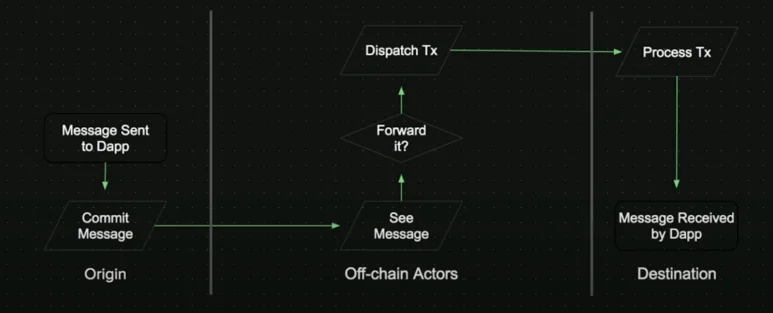
Process of transferring messages on Nomad:
![What is Nomad? Things to know about the Nomad . project]()
- The Dapp will pass messages from the user to Commit Message – the part of Nomad embedded on the networks.
- Commit forwards the message to See Message. Here, the authenticated participant checks if the message is correct. If the message is true then the network timeout will default to the correct data and validate them. If someone detects the wrong message, this signal will be transmitted to the system and the command will be cancelled.
- After confirmation, the message will be passed to Process Tx - a part of Nomad embedded on the target thread.
- Finally, Process Tx will pass the message to the Dapp for execution.
Nomad supports token transfers through a message passing mechanism that affects pools, similar to the one that LayerZero uses. The difference between these two bridges lies in the authentication mechanism and the way messages are transmitted.
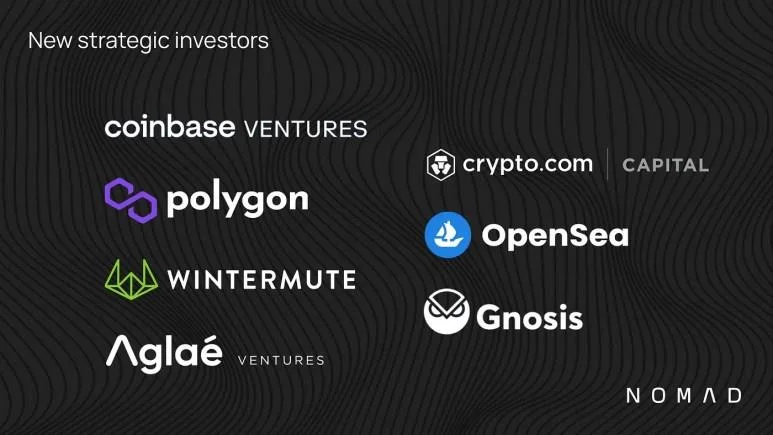
Investment funds and partners
![What is Nomad? Things to know about the Nomad . project]()
The project successfully raised $ 22 million in Seed Round from major funds Polychain Capital, 1kx, Ethereal, Hack VC, Circle ... with a valuation of 225 million USD.
In addition, the project is working closely with Connext Network.
Tokenomics of the Nomad . project
Currently, the Nomad bridge project does not have a token, the TraderH4 team will update after the project launches the token in the future.
Summary
Above is some basic information about the Nomad bridge project. Although Nomad is considered a safe, secure, cheap, easy-to-deploy cross-chain (Cross-chain messaging) bridge. But in the past the project has been hacked by hackers and taken away nearly 190 million USD. Since that time, users seem to have lost faith in the project and no longer regularly use this bridge.
However, we cannot deny that Nomad has very wide application potential. Especially we can see Nomad as an infrastructure for building Cross-chain applications such as: Cross-chain AMM, Cross-chain Lending, NFT bridge, Wallet...
If you are interested in the Nomad project, you can follow the project's social networking sites such as:
Website | Twitter | Discord