第四季加密貨幣再平衡清單:佈局以獲得更佳的風險調整後收益

使用這份第四季度加密貨幣清單,重新平衡資產配置,控制集中度,審查稅務和託管情況,並以嚴謹的風險計劃進入年末。
DeFi lending solved one problem elegantly: a borrower can access liquidity without a bank deciding whether to approve the loan. But the dominant model created another constraint. Most loans require crypto collateral worth more than the debt. That works for leverage and liquidity management, but it is a poor fit for a business that needs working capital precisely because it does not already have excess liquid assets.
On-chain credit is an attempt to move beyond that limitation. Instead of relying only on automatically liquidatable crypto collateral, credit protocols can combine smart contracts with borrower identity, underwriting, legal agreements, payment history, off-chain assets, cash flows, first-loss capital, or other forms of credit enhancement. The important outcome is not “zero collateral at any cost.” It is whether the system can extend useful credit while pricing and absorbing default risk transparently enough for lenders to evaluate it.

Caption: On-chain credit can combine blockchain records with underwriting and structured lending, but evaluating borrower quality, legal protections, liquidity, and default risk remains essential.
Traditional DeFi lending protects lenders primarily through collateral and automatic liquidation. That model remains useful, but it limits who can borrow. A 2022 Bank for International Settlements analysis of DeFi lending argued that pervasive overcollateralization reflects limited information about pseudonymous borrowers and constrains real-economy credit. A later BIS study of DeFi leverage, published in March 2024, likewise examined major lending platforms as collateralized systems in which loan-to-value limits and liquidation risk strongly shape borrower behavior.
The credit opportunity is therefore straightforward: if a protocol can obtain credible information about a borrower and enforce a repayment claim, capital no longer has to depend exclusively on liquid crypto collateral. That could support institutional borrowing, fintech lenders, receivables, private credit, trade finance, and other productive uses that do not map neatly to a crypto-collateral vault.
It rarely means anonymous wallets receiving large loans based solely on a blockchain score. In practice, credit-oriented DeFi can involve identifiable borrowers, underwriting teams, legal contracts, permissioned pools, junior-loss capital, guarantees, off-chain collateral, or claims on business assets and income.
This distinction matters. Goldfinch's current V1 overview, for example, states that its loans are fully collateralized with off-chain assets and income. Its documentation describes Borrower Pools containing terms such as interest rate, limit, payment frequency, and maturity, while Backers evaluate borrowers and provide junior capital. See the Goldfinch protocol overview and borrower documentation.
That is better described as credit underwriting with off-chain support than as pure unsecured lending. Investors should make this distinction explicitly because the recovery process after default can depend on legal rights and real-world enforcement rather than an automatic smart-contract liquidation.
A useful system should improve capital efficiency without making credit risk opaque. Four outcomes are especially important:
If a protocol offers a high headline yield but makes these questions difficult to answer, the result is not necessarily better credit. It may simply be harder-to-measure risk.
Blockchain records can improve transparency around events that actually occur on-chain. Investors may be able to verify wallet balances, transfers, pool deposits and withdrawals, drawdowns, repayments, tokenized claims, and smart-contract state without waiting for a monthly PDF.
That is valuable, but it has a boundary. A wallet history does not automatically reveal a company's revenue, liabilities, ownership, customer concentration, fraud risk, or the enforceability of a loan agreement. Linking a legal entity to addresses and off-chain financial information introduces identity, data-quality, privacy, and governance questions.
The credit problem is therefore partly an information problem. A 2025 BIS working paper on digital ledgers and uncollateralized credit highlights a broader trade-off among information needed for credit enforcement, platform rents, and user privacy. The specific architecture differs from DeFi protocols, but the underlying tension is relevant: better credit decisions often require more borrower information, while users may prefer less disclosure.
沒有單一的模式。有些系統使用針對特定借款人的資產池;有些系統則將多種資產打包到統一管理的資產池或金庫中。分層結構可以針對不同的資金提供者分配損失。
Goldfinch 提供了一個具體的例子。其文件指出,支持者向各個借款人池提供次級損失資本,而高級借款人池可以提供高級資本。償還款項優先用於償還優先借款人池的欠款,其次是次級借款人池的欠款。該協議還警告說,如果借款人未能償還貸款,支持者可能會損失其提供的資本。請參閱 Goldfinch 的借款人池風險文件。
Centrifuge 展示了一種更廣泛的代幣化信用架構。其目前的資金池文件將資金池描述為金融產品(包括鏈下產生的基金或信用策略等產品)的鏈上表示和管理路徑。資金池維護鏈上資產負債表,並定義了份額類別、投資者存取權限、定價和流動性管理。
不。產品設計會隨著時間推移而改變,因此舊的描述可能會產生誤導。 Maple 就是一個很好的例子,說明為什麼讀者應該查閱最新的文檔,而不是依賴歷史標籤。其目前的機構貸款文件描述的是有擔保的機構貸款,包括以特定數位資產為抵押的資產池。有關特定投資機會的實際抵押品和承銷結構,應查閱Maple 最新的貸款機構文件。
對於任何文章或投資分析來說,這都是一項重要的品質測試:要核實當前的資金池條款,而不是假設協議早期的借貸模式仍然適用於其當前產品。
僅憑鎖定的總價值還不夠。成長可以來自激勵措施或少數集中放貸機構。對於信貸而言,業績品質比存款本身更為重要。
| 指標 | 更健康的結果可能會是什麼樣子 | 警告標誌 |
|---|---|---|
| 還款表現 | 按計劃支付本金和利息 | 反覆延期、拖欠、重組或無故延誤 |
| 預設和恢復 | 損失和追回款項均以清晰的方法予以披露。 | 違約事件從總體報酬率計算中消失,或回收狀況不明朗。 |
| 借款人集中度 | 風險敞口限制可防止單一借款人主導投資組合。 | 少數借款人貢獻了大部分資金池收益。 |
| 貸款人流動性 | 提款機制與基礎貸款的到期日相符 | 承諾快速提供流動性以對抗長期、流動性差的貸款,卻沒有可信的緩衝資金 |
| 產量品質 | 收益率主要取決於借款人的意願和已揭露的經濟數據。 | 收益很大程度取決於臨時代幣發行。 |
| 報告 | 鏈上活動與鏈下借款人資訊相符 | 無法核實或未依規定報告的物質鏈外暴露情況 |
僅僅因為市場行情好的時候違約率很低,就認為某種貸款方案設計是成功的,這是不恰當的。當有證據顯示風險定價錯誤時,信用模型就需要進行調整。
當違約率上升、回收時間超出預期、貸款人無法如預期退出、借款人集中度過高、承銷假設屢屢失效,或法律強制執行的回收率遠低於模型預測時,可能需要進行調整。因應措施包括降低信用額度、加強契約條款、提高首筆損失保障、增加報告頻率、縮短期限、擴大投資組合多元化,或恢復部分抵押。
正確的應對措施並非總是收緊所有參數。過於嚴格的條款會抵銷信貸原本旨在創造的資本效率優勢。目標是使預期損失、流動性需求和貸款人補償與實際業績相符。
對於超額抵押的去中心化金融(DeFi),智能合約可以在超出閾值時清算符合條件的抵押品。而對於無擔保或鏈下支持的信貸,追償可能需要協商、重組、訴訟、擔保、服務或資產強制執行。智能合約可以自動執行支付流程,但無法保證陷入困境的借款人一定有錢償還。
將貸款代幣或支付記錄放到區塊鏈上並不會自動使底層財務報表正確無誤。投資者仍然依賴貸款發起人、審計師、管理人、估值代理人、法律顧問或其他資訊提供者。
私人貸款的到期期限可能長達數月甚至數年,而代幣持有者則可能期望更快的贖回。如果流動性承諾強於基礎資產的流動性,壓力測試可能會暴露這種不匹配。金融穩定理事會2026年5月發布的私人信貸脆弱性評估報告強調,借款人信用品質、估值不透明性、槓桿率、集中度和關聯性是需要關注的領域。這些問題並非區塊鏈信貸所獨有。
許多鏈上信貸市場使用穩定幣進行貸款融資。因此,投資者需要同時評估貸款本身以及用於融資或結算的資產。國際清算銀行金融穩定研究所於2025年10月指出,與穩定幣相關的收益可能涉及再藉貸和去中心化金融(DeFi)借貸活動,並可能使用戶面臨與銀行存款不同的風險。請參閱其關於穩定幣相關收益的簡報。
最有力的論點並非是所有借款人都應該無需抵押。而是區塊鏈基礎設施可以使信貸發放、融資、服務、所有權、報告和結算等部分環節更具可編程性,同時在經濟上必要的情況下保留嚴格的承銷流程。
永續成長不僅體現在總抵押率(TVL)的上升上。也要注意以下幾個面向:持續借款人按時償還貸款,貸款機構在不提供不可持續補貼的情況下持續提供資金,透明的違約和回收記錄,多元化的借款人基礎,合理的流動性條款,以及能夠經受住實際壓力事件考驗的法律結構。
監理也將塑造市場。金融穩定理事會的加密資產工作強調加密資產、穩定幣、去中心化金融(DeFi)和傳統金融之間日益增強的相互聯繫。其於2026年3月發布的2025年度報告繼續強調全球加密資產和穩定幣框架的實施。
首先要關注還款來源,而不是廣告宣傳的年利率。確定合法的借款人,了解其資金用途,以及預期用於償還本金和利息的現金流。然後圍繞該現金流制定保障措施。
高品質的鏈上信用系統應該讓投資者的決策更容易審核,而不僅僅是更容易執行。你應該能夠解釋收益的來源、誰欠款、如果他們不還款會發生什麼、損失如何波及你的倉位、何時可以提現,以及哪些資訊是鏈上獨立可見的,哪些資訊是由鏈下第三方提供的。
如果隨著殖利率上升,這些答案變得不再清晰,則應改變策略:降低風險敞口、要求提供更多資訊、轉向優先順序更高或保障更好的結構,或乾脆放棄投資機會。如果多個信貸週期內還款數據、回收率、多元化程度和報告機制均有所改善,那麼信心可以逐步增強,而不是僅僅依靠協議的成長就能實現。
鏈上信貸可以解決DeFi的一個根本性限制:即要求借款人擁有比其借款額更多的流動性抵押品。這使得基於信用的借貸成為DeFi向機構和實體經濟融資領域拓展的可行途徑。
但移除加密貨幣抵押品並不能消除信用風險。它只是改變了評估、定價、監控和追償信用風險的方式。下一波 DeFi 成長浪潮,如果能夠帶來持久的還款記錄、清晰的損失瀑布圖、切實可行的流動性、可信的承銷機制以及可執行的債權,而不僅僅是更大的貸款規模或更高的收益率,那麼它將更具說服力。
風險提示:本文僅供教育用途,不構成任何個人化的財務或投資建議。信貸、穩定幣、智能合約、託管安排和代幣化現實世界資產均可能導致虧損,過往的還款記錄並不能保證未來的收益。
使用這份第四季度加密貨幣清單,重新平衡資產配置,控制集中度,審查稅務和託管情況,並以嚴謹的風險計劃進入年末。
了解 RWA 代幣化如何將國庫券與區塊鏈金融聯繫起來,並使用 BlackRock BUIDL 來解釋所有權、託管、訪問、收益和風險。
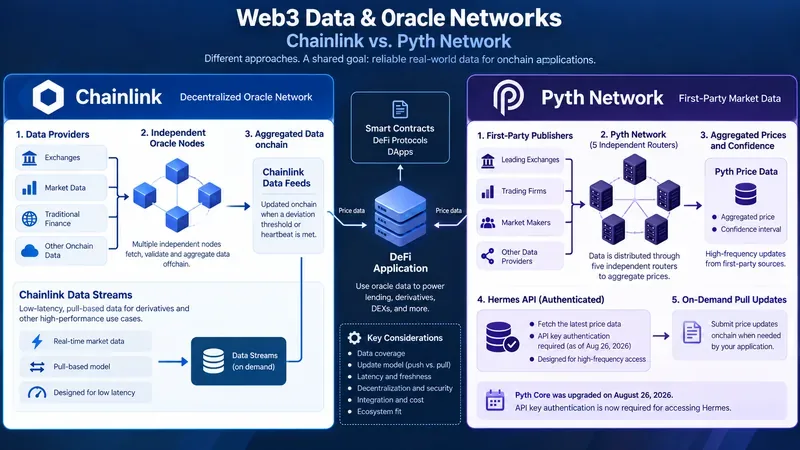
將 Chainlink 資料來源和資料流與 Pyth Core 和 Pyth Pro 進行比較,包括推播與拉取更新、延遲、安全性、成本以及 2026 年整合變更。
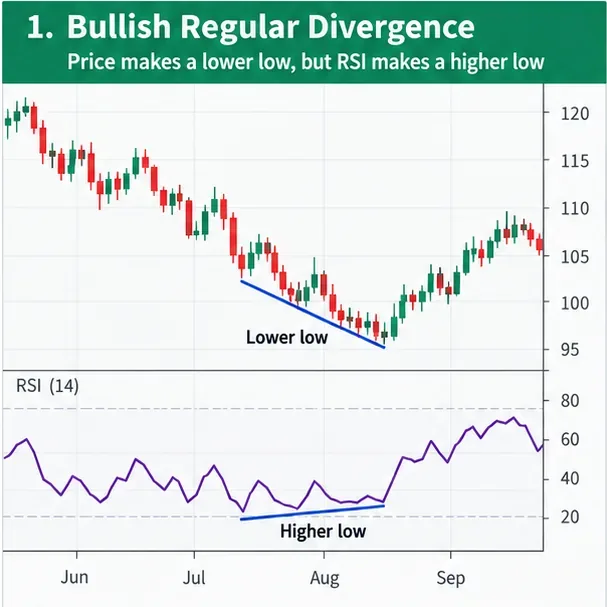
學習如何識別看漲和看跌 RSI 背離、確認反轉設定、避免錯誤訊號、選擇 RSI 設定以及使用實用的交易檢查清單。
A fact-checked review of the strongest Q4 2026 Web3 game launches, including Off The Grid, NIGHT CROWS W, Yakkamon, and key ecosystem risks.
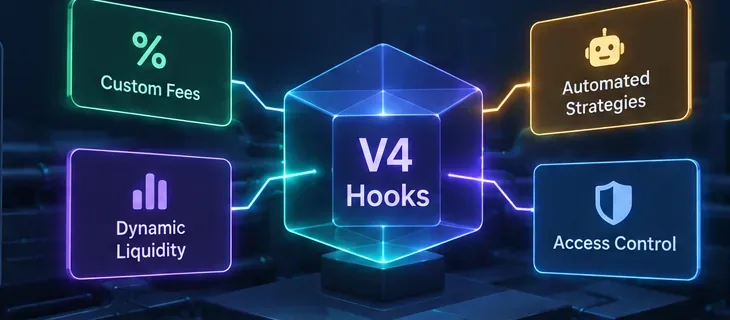
了解 Uniswap v4 hooks 如何自訂流動性池,從動態費用到存取控制,並比較實際好處、風險和用例。
人工智慧可以加速智慧合約的開發,但產生的程式碼仍需要手動審查、測試、安全庫和稽核。請權衡其中的機會和風險。
比較領先的加密貨幣新聞聚合器和專業交易研究平台,包括 CryptoPanic、Kaito、Messari、Glassnode、Nansen、Arkham 和 Coin Metrics。
比特幣的供應量是固定的,但這並不意味著它能完美地對沖通貨膨脹。看看比特幣何時可能發揮作用,何時可能失效,以及如何驗證這一論點。
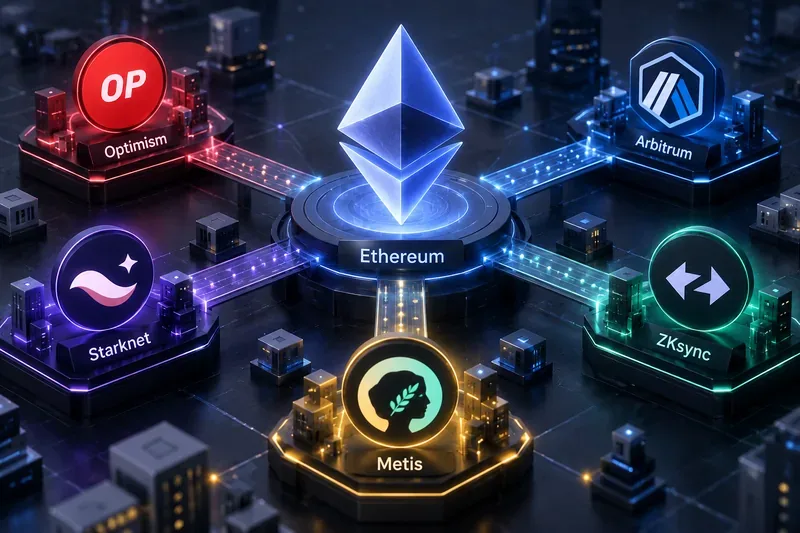
本文以研究為導向,探討了 2026 年可能被低估的五種 Layer 2 代幣,重點在於代幣效用、價值取得、風險釋放和當前催化劑。