Home
» Project analysis
»
Top Undervalued Base Network Gems With Huge Moon Potential: 5 Tokens to Research in 2026
Top Undervalued Base Network Gems With Huge Moon Potential: 5 Tokens to Research in 2026
The short answer: if you are hunting for undervalued Base Network gems in 2026, the most defensible watchlist starts with AERO, WELL, EXTRA, SEAM, and ALB—but for very different reasons. AERO has the clearest “core infrastructure” thesis, WELL offers a mature lending-and-governance use case, EXTRA is a higher-risk DeFi efficiency play, SEAM is a protocol-reinvention bet, and ALB is the most speculative small-ecosystem candidate of the group.
“Undervalued” does not mean that any of these tokens are objectively cheap or guaranteed to rise. Crypto assets do not have a universally accepted intrinsic-value model, and this article deliberately avoids pretending that a low token price equals a low valuation. Instead, the term means worth researching when protocol utility, ecosystem position, or product development may be stronger than market attention implies. That distinction matters—especially when searching for “moon potential.”
A practical Base ecosystem research setup: network activity on screen and a due-diligence checklist focused on use case, tokenomics, ecosystem fit, and risk.
Why Base Is Still a Serious Hunting Ground for Smaller Crypto Projects
Base is no longer just an experimental Ethereum Layer 2. Its official ecosystem page now lists more than 700 companies, while Base's 2026 vision emphasizes global markets, stablecoin payments, and infrastructure for builders and autonomous agents. Base says it handled $17 trillion in payment volume in the prior year. Those numbers do not make every Base token valuable, but they do create an environment where applications can potentially grow on top of substantial chain activity. See the official Base overview and 2026 vision.
There is also an important change in the network-token story. Base originally said it did not plan to issue a native network token. At BaseCamp 2025, however, the team said it had begun exploring one while stressing that there were no definitive details on timing, design, or governance. That remains a reason to distinguish carefully between a possible future Base network token and the application tokens discussed below. The source is Base's own BaseCamp 2025 update.
Quick Ranking: The Base Gems Worth Researching First
Token
Core thesis
Best fit for
Main risk
AERO
Liquidity infrastructure for Base
Investors who want a protocol-usage thesis
Ongoing emissions and DeFi competition
WELL
Lending, governance, and safety-module utility
Investors seeking a more established DeFi use case
Credit, liquidation, governance, and token-supply risk
EXTRA
Leveraged yield and vote-escrow utility
Higher-risk DeFi investors
Leverage complexity and historical emissions
SEAM
Leverage Tokens plus community governance
Investors comfortable with a transition thesis
Execution risk and scheduled token emissions
ALB
DEX aggregation and token-launch tooling
Speculative small-cap researchers
Higher project risk and stale public supply figures
1. AERO: The Strongest Base Infrastructure Thesis
Aerodrome's AERO is the first token I would research if the goal is exposure to activity happening inside the Base DeFi economy rather than to a single consumer app. Aerodrome describes itself as an automated market maker designed to serve as a central liquidity hub on Base. Its token architecture matters: ordinary AERO is the transferable incentive token, while users can lock AERO for up to four years to obtain veAERO NFTs. veAERO is what carries voting rights and the ability to receive trading fees associated with voted pools.
According to Aerodrome's official disclosures, weekly AERO emissions are distributed to liquidity providers according to veAERO voting, trading fees go to veAERO voters that allocate votes to the relevant pools, and external incentives can be added by third parties. That creates a direct economic loop between liquidity, voting, fees, and incentives. The official details are in Aerodrome's AERO legal disclosures.
When this thesis fits: AERO is most interesting if you believe Base trading and liquidity demand will continue expanding and that Aerodrome can retain a central role. What would invalidate it: falling protocol relevance, liquidity migrating to competitors, or token emissions outpacing demand for locking and governance. “Central liquidity hub” is a strong narrative, but it should be tested against actual protocol usage before any purchase.
2. WELL: A Lending Token With Multiple Utility Paths
Moonwell's WELL offers a cleaner utility story than many smaller governance tokens. Moonwell operates lending and borrowing markets across Base, OP Mainnet, Moonbeam, and Moonriver. WELL holders can participate in governance, and native WELL can be staked in Moonwell's Safety Module. Moonwell also upgraded WELL to the xERC20 standard to support multichain functionality and unified governance.
The official Moonwell token documentation states that WELL is used for governance and staking, while its transparency report lists a total supply of 5 billion tokens. The protocol also supports overcollateralized borrowing on Base, with collateral and borrowing parameters controlled by governance.
When this thesis fits: WELL makes more sense for someone who believes lending remains a durable onchain primitive and values a token with governance plus security-module functionality. What to watch: lending growth alone does not guarantee token appreciation. Review incentive dependence, circulating-supply changes, liquidation risk, bad-debt handling, and whether staking rewards are supported by sustainable economics rather than only token emissions.
3. EXTRA: Higher Risk, but Stronger Utility Than the Ticker Suggests
EXTRA is a more aggressive bet. Extra Finance combines lending and leveraged yield farming, and its token model uses EXTRA plus vote-escrowed veEXTRA. In the current utility model, locking EXTRA can create governance power and reward-related benefits. Extra Finance's Tokenomics V2 was approved in January 2024 with goals that included improving veEXTRA staking rewards and reducing inflationary pressure.
The project's official Tokenomics V2 introduction is the better source for the current framework. Older V1 documentation says EXTRA has a hard cap of 1 billion and that the token contract's minting authority was destroyed, but that page is explicitly labeled historical; it should not be treated as a live emission schedule. Extra Finance also publishes official contract addresses for Base and OP Mainnet.
When this thesis fits: EXTRA is for investors who understand leveraged DeFi and are willing to accept more smart-contract, liquidity, and liquidation risk in exchange for potentially greater upside if the protocol gains usage. When it does not fit: if you want simple token economics, low operational risk, or a passive “buy and forget” asset, leveraged-farming infrastructure is probably the wrong category.
4. SEAM: A Turnaround-and-Product-Innovation Bet
SEAM is interesting precisely because Seamless is changing. Seamless launched as a Base-native lending and borrowing protocol, but its current documentation says the project moved core lending activity toward Morpho and is concentrating on Leverage Tokens. These tokens are designed to wrap DeFi strategies into ERC-20 assets so a user can enter a leveraged strategy by holding a token rather than manually coordinating multiple protocol actions.
That product shift creates potential upside if Leverage Tokens find product-market fit, but it also creates execution risk. A token tied to a protocol in transition should not be valued as if the new strategy has already succeeded. Seamless explains the change in its official protocol introduction.
SEAM itself is a governance and utility token. Official tokenomics show a 100 million total supply and no public or private sale at launch. However, large community, ecosystem, contributor, and reward allocations follow multi-year vesting or emission schedules. The exact breakdown is available in the SEAM tokenomics documentation.
When this thesis fits: SEAM fits a research portfolio that can tolerate uncertainty around a new product direction. The key condition: judge it on measurable adoption of the new leverage products, not on the label “Base-native” or on historical lending TVL.
5. ALB: The Highest-Risk “Gem” on This List
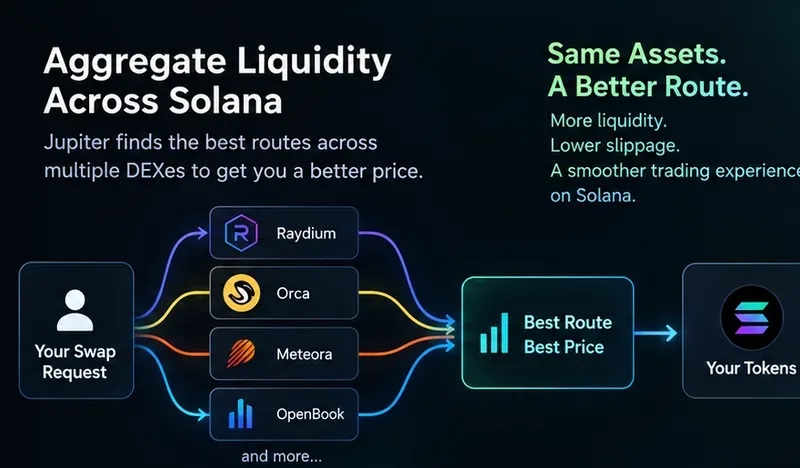
Alien Base's ALB belongs at the speculative end of the spectrum. Alien Base positions itself as a Base-focused DEX with aggregation, token creation, pool deployment, and its Epsilon routing technology. This gives ALB a straightforward ecosystem thesis: if a smaller trading venue can win a loyal user base or differentiate through routing and launch tooling, a relatively overlooked token can re-rate quickly.
The project's official documentation lists ALB's contract on Base and a maximum supply of 510 million. However, the same page labels its circulating-supply figure as of October 2023. That figure is too old to use as a current valuation input in September 2026. This is a good example of why “low-cap gem” research must verify live supply independently onchain rather than copy an old dashboard number.
When this thesis fits: ALB is only appropriate as a high-volatility research candidate where you are prepared to validate current emissions, liquidity depth, treasury control, contract permissions, and actual trading activity. What would make me skip it: thin liquidity, unclear current supply, weakening development activity, or token incentives that appear to be the main reason users stay.
What “Moon Potential” Should Actually Mean
A token can rise several times over for reasons unrelated to sustainable protocol value. A better framework is to ask whether there is a plausible mechanism that could cause demand to grow faster than effective supply. For Base ecosystem tokens, that mechanism might come from fee-linked locking, governance demand, lending-market growth, increased trading volume, product adoption, or reduced emissions. It should not simply be “the market cap looks small.”
Use this five-part test before calling any Base token undervalued
Product demand: Would people still use the protocol if token incentives fell sharply?
Token capture: Does increased protocol usage create any reason to hold, lock, stake, or govern with the token?
Supply pressure: What unlocks, emissions, contributor vesting, or treasury distributions can reach the market?
Liquidity: Can you enter and exit without large slippage under normal conditions?
Catalyst quality: Is the catalyst a shipped product or official roadmap item, or merely social-media speculation?
What I Would Avoid
I would avoid ranking tokens primarily by unit price, anonymous influencer targets, screenshots of historical returns, or unsupported claims that a Base network token will automatically reward holders of unrelated ecosystem assets. Base has confirmed only that it is exploring a network token; it has not published definitive token timing, distribution rules, or governance design in the official update cited above.
I would also avoid treating Base's growth as a blanket endorsement. Base's own ecosystem page explicitly states that listed third-party protocols are independent and that inclusion is not investment advice or an endorsement. That disclaimer is worth remembering when browsing the official Base ecosystem directory.
Bottom Line
AERO is the strongest first research candidate, WELL is the most balanced lending/governance candidate, EXTRA and SEAM are higher-risk product bets, and ALB is the speculative outlier. That order is based on utility clarity and ecosystem role—not on a prediction that one token will deliver the biggest percentage gain.
If your objective is genuinely to find undervalued Base Network gems, the useful question is not “Which coin can moon?” It is: Which token has a credible path from growing protocol usage to growing token demand, while supply pressure remains manageable? Re-run that test regularly. Tokenomics, emissions, governance, and product strategy can change much faster than a headline or watchlist.
Information checked against official project and Base sources as of September 14, 2026. This article is for educational research and does not constitute investment, legal, or tax advice. Crypto assets can lose most or all of their value, and DeFi adds smart-contract, liquidity, oracle, liquidation, governance, and bridge risks.