トークン配布の分析:潜在的なインサイダーウォレットを特定する方法
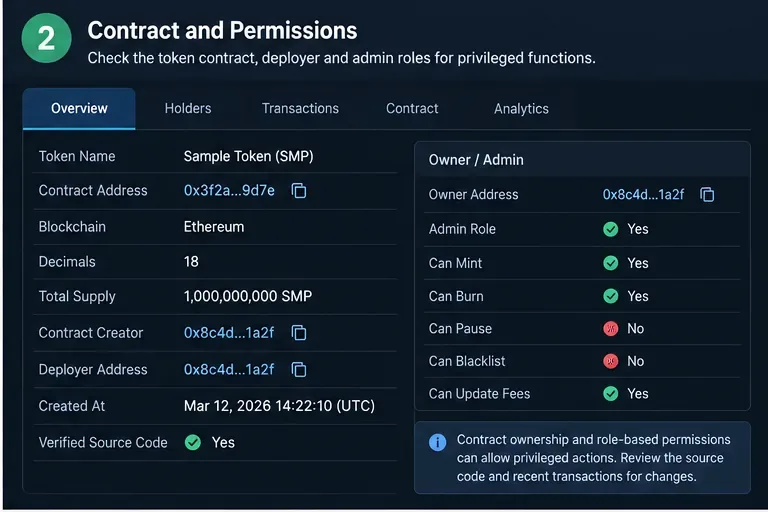
保有者の集中度、デプロイヤーとのつながり、資金調達パターン、ラベル、およびオンチェーンの挙動を利用して、インサイダー関連の可能性のある暗号資産ウォレットを特定するための実用的なフレームワーク。
If you are new to crypto taxes, the most important thing to know is this: the IRS treats digital assets as property for U.S. federal income tax purposes, and many common crypto activities can create taxable income or capital gains and losses. That includes selling crypto for dollars, trading one digital asset for another, spending crypto, and receiving digital assets from activities such as staking or mining. Simply holding crypto, buying it with U.S. dollars, or moving it between wallets you own is generally different.
This guide focuses on U.S. federal income tax rules and reflects IRS guidance available as of September 2026. State taxes can add separate requirements, and specialized situations such as businesses, trusts, large gifts, derivatives, tokenized securities, DeFi arrangements, foreign accounts, or disputed basis records may require professional advice. The IRS maintains its current overview at Digital assets.
Verified: exchanging one digital asset for another can be a disposition for tax purposes. If you trade Bitcoin for Ether, the transaction is not ignored merely because you never converted the Bitcoin to cash. The IRS treats digital assets as property, so the gain or loss on the Bitcoin you gave up generally depends on its value at the time of the exchange compared with your adjusted basis.
Action: flag every sale, swap, trade, purchase made with crypto, and other disposal in your transaction history. Do not build your tax file from bank deposits alone.
Your tax calculation is only as complete as your transaction history. Download records from centralized exchanges, review wallet histories, and collect records from any platform where you bought, sold, swapped, earned, sent, or received digital assets. Keep original CSV exports or statements instead of relying only on a year-end dashboard that might change later.
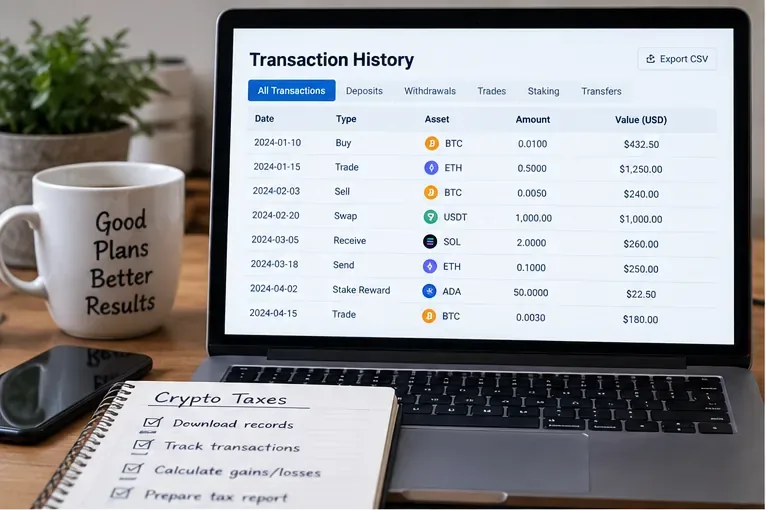
The IRS says taxpayers must maintain records sufficient to support positions taken on their federal income tax returns. Relevant records can include receipts, sales, exchanges, transfers, fair market values, and other documentation. See the IRS digital asset transaction FAQs.
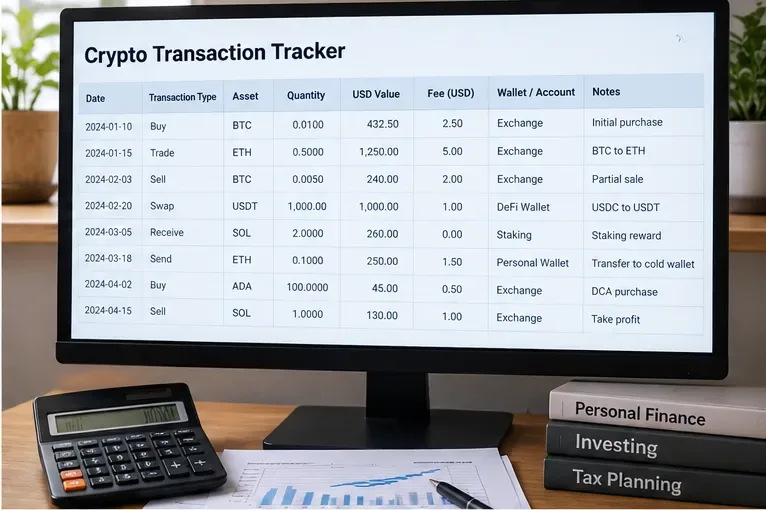
| Field | Why it matters |
|---|---|
| Date and time | Helps identify acquisition and disposal dates and the holding period. |
| Asset and quantity | Identifies exactly what was acquired, received, transferred, or disposed of. |
| Transaction type | Separates buys, sales, swaps, rewards, transfers, gifts, and other activity. |
| U.S. dollar fair market value | Needed to measure income, proceeds, and basis in many situations. |
| Fees | Some transaction costs can affect basis or amount realized; treatment depends on the transaction. |
| Wallet or account | Important because current digital-asset basis identification rules operate at the wallet or account level. |
| Transaction ID or hash | Provides a traceable link to an on-chain transaction when available. |
| Source document | Shows where the numbers came from if you need to reconcile them later. |
What depends on circumstances: a blockchain explorer may show quantities and addresses but not reliably tell you the tax character of the transaction or your U.S. dollar basis. Exchange exports may also omit activity that occurred elsewhere.
Action: create one master list that combines all sources while preserving the original source for each row.
Do not calculate gains until you know what each transaction represents. A transfer between your own wallets is not the same as a sale. A staking reward is not the same as buying coins with cash.
| Activity | General federal treatment | Beginner action |
|---|---|---|
| Buy crypto with U.S. dollars | Generally not a taxable disposal by itself. | Record the date, units, purchase amount, and eligible acquisition costs for basis. |
| Hold crypto | Holding alone generally does not create taxable income or gain. | Keep acquisition records even if you made no sale. |
| Sell crypto for dollars | Generally creates a capital gain or loss when held as a capital asset. | Match proceeds to the basis of the units disposed of. |
| Trade one crypto for another | Generally a taxable disposition of the asset you give up. | Record the fair market value at the exchange time. |
| Spend crypto on goods or services | Generally a disposition that can create gain or loss. | Record what you spent and its fair market value. |
| Receive staking or mining rewards | Can create ordinary income; facts and timing matter. | Record the amount received and fair market value when includible in income. |
| Transfer between wallets you own | Generally not taxable by itself. | Label both sides as a self-transfer so software does not mistake it for a sale. |
Verified: the IRS states that transferring digital assets from one wallet, account, or address you own to another you own is generally a non-taxable event. However, if digital assets are used or withheld to pay the transaction fee, disposing of those fee units can itself create gain or loss under current IRS guidance.
Action: reconcile outgoing transfers with matching incoming transfers before treating unexplained withdrawals as sales.
多くの個人投資家にとって、投資目的で保有する暗号資産は資本資産です。売却または交換する際には、通常、キャピタルゲインまたはキャピタルロスを計算します。一方、報酬、マイニング報酬、ステーキング報酬、その他の収入として受け取ったデジタル資産は、受け取った時点、または適用される税法で所得として計上されると定められた時点で、通常の所得となる場合があります。
IRSは、必要に応じてフォーム8949を使用して売却その他の資本取引を報告し、スケジュールDで資本利得と控除可能な資本損失を要約するよう個人に指示しています。非事業目的の通常のデジタル資産収入は、該当する場合、フォーム1040またはスケジュール1で報告できます。自営業活動にはスケジュールCが必要となる場合があります。デジタル資産取引の報告方法については、IRSのページをご覧ください。
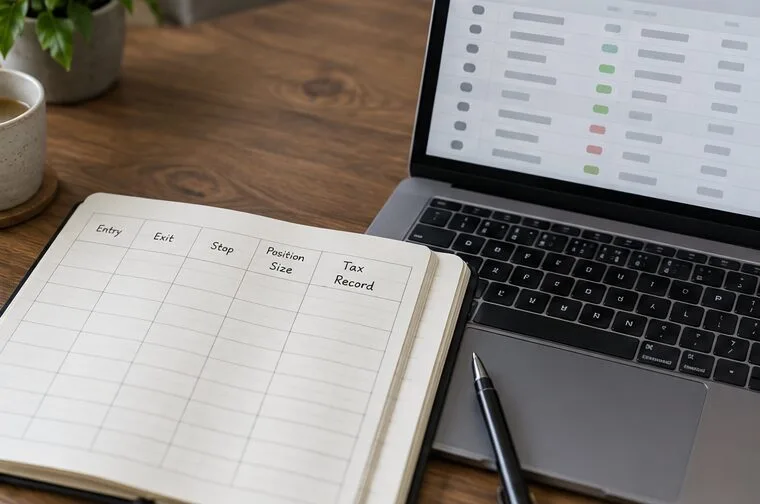
対策:トラッカーに「税務区分」列を追加してください。項目は、資産処分、通常所得、自己譲渡、購入、贈与、または必要に応じて見直しです。
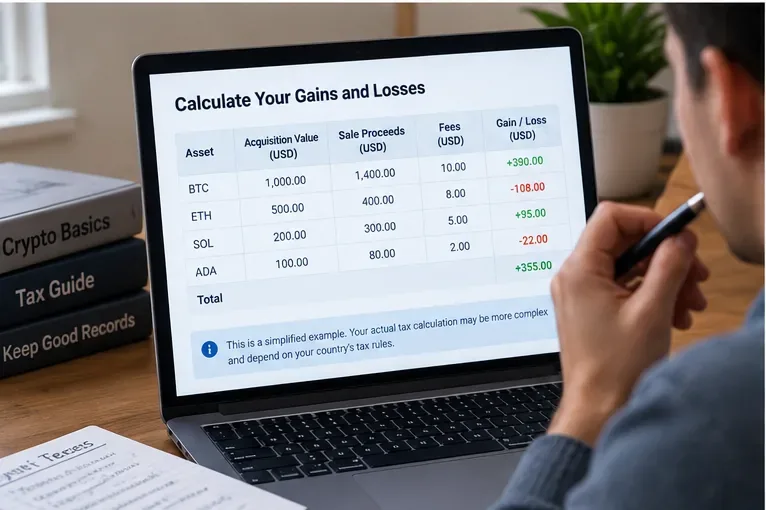
基本的な資本資産売却の場合、簡略化した考え方は次のとおりです。
損益=実現額-調整済み取得原価
例えば、0.05 BTCを2,000ドルで購入し、その後同じ単位を3,000ドルで売却したとします。その他の調整を一旦無視すれば、利益は1,000ドルになります。もし1,600ドルで売却した場合、損失は400ドルになります。ただし、取引手数料やロット番号の識別などによって、実際の計算結果は異なる場合があります。
確認済み:フォーム1099-DAは、デジタル資産ブローカー取引に関する連邦報告システムの一部となりました。ブローカーは一般的に、2025年1月1日以降に行われた対象報告取引の総収益の報告を開始しました。取得原価の報告は、2025年以降に取得した資産から始まる特定の取引について段階的に導入されます。IRSは、2025年の取引に関するフォーム1099-DAのほとんどには取得原価が含まれていないため、納税者は多くの場合、取得原価を自分で計算する必要があると指摘しました。最新情報は、「フォーム1099-DAの理解」で入手できます。
状況によりますが、ブローカーが取得原価を報告するかどうかは、資産の種類、取得日、ブローカーの報告状況、そしてブローカーが十分な情報を持っているかどうかによって決まります。自己保管ウォレットから取引所に移された資産は、ブローカーが元の取得データを受け取っていない場合、特に照合が困難になる可能性があります。
対策: 1099-DAを自分の記録の完全な代替物として扱うのではなく、必ず自分の記録と比較してください。
これは、古いオンラインの説明が誤解を招く可能性がある分野です。現在のIRS(内国歳入庁)の規則では、一般的に、ユニットを保有する特定のウォレットまたはアカウント内で取得原価の識別を行うことが求められており、他の場所に保有されている同一の資産から自由に取得原価を選択することはできません。
適切な特定識別を行えば、処分する特定のユニットを特定できる場合があります。有効な特定識別を行わない場合、通常は、そのウォレットまたはアカウント内で最初に取得した同一資産のユニットがデフォルトとして扱われます。IRSは、2024年以降のこれらの規則について、デジタル資産に関するFAQで説明しています。
対策:税務ソフトウェアが、現在のIRS(米国国税庁)の規則およびお客様の記録に合致しない限り、すべてのウォレットに分散されたビットコインロットを自動的にプールしないでください。ロット選択設定を確認し、特定の識別情報があればその証拠を保管してください。
資本資産の場合、保有期間は取引の報告先や税率に影響します。2025年版フォーム8949の説明書には、一般的に保有期間が1年以下の場合は短期保有、1年を超える場合は長期保有と記載されています。
デジタル資産取引専用のフォーム8949欄が設けられました。2025年版フォームでは、短期デジタル資産取引はG、H、またはI欄を、長期デジタル資産取引はJ、K、またはL欄を使用します。これは、取得原価が報告されているか、およびフォーム1099-DAが受領されているかによって異なります。フォームは変更される可能性があるため、必ず申告する課税年度の説明書を参照してください。公式のフォーム8949説明書を参照してください。
対策:各処分について保有期間を計算し、短期取引と長期取引を分けて管理する。
よくある誤解として、「税務申告書がなければ税金はかからない」というものがありますが、これは間違いです。IRS(内国歳入庁)は、フォーム1099-DA、W-2、1099、またはその他の情報申告書を受け取っていない場合でも、デジタル資産の収入、利益、損失を申告しなければならないと明言しています。
もう一つの間違いは、その逆で、ブローカーの明細書に記載されているすべての数字が自動的に記入されていると思い込むことです。ブローカーは売却による総収入は把握していても、別のプラットフォームから送金されたコインの取得原価は把握していない場合があります。また、取引が米国の連邦税申告書に記載されるべきものであっても、海外のブローカーは米国フォーム1099-DAを発行しない場合があります。
対策:ブローカーの税務申告書と取引台帳を照合してください。申告前に、不足している取得原価、重複取引、一致しない送金、記録と異なる収益について調査してください。
個人の場合、報告経路は通常以下のようになります。
具体的な形態は、暗号通貨が関わっていたという事実だけでなく、実際に何が起こったかによっても異なる。
手順:トラッカー内の各税務カテゴリーを、申告する年度の最新のIRSフォームの指示にマッピングしてください。
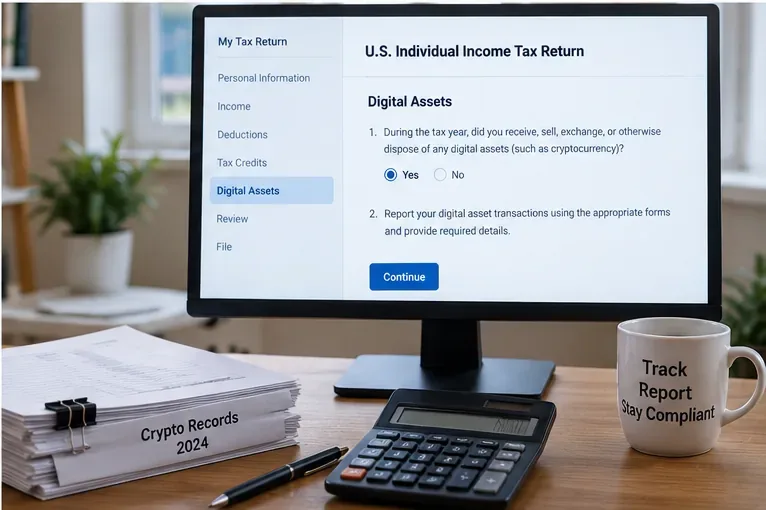
連邦所得税申告書には、デジタル資産に関する質問が含まれています。IRS(内国歳入庁)によると、年間を通じてデジタル資産のみを保有していた場合、米ドルまたはその他の法定通貨でデジタル資産のみを購入した場合、あるいはデジタル資産で支払われた手数料に関するIRSの規則に従って、所有するウォレットまたはアカウント間で資産を移転した場合のみ、「いいえ」と回答するのが一般的です。報酬や支払いとしてデジタル資産を受け取った場合、売却した場合、交換した場合、またはその他の方法でデジタル資産に対する金融上の権利を処分した場合は、一般的に「はい」と回答します。
対策:昨年の回答を再利用するのではなく、実際の納税申告書に記載されている最新の文言を確認してください。
仮想通貨の税務ソフトウェアは、数百件、数千件もの取引がある場合に時間を節約できますが、インポートデータに欠落している事実を把握することはできません。例えば、実際には自己送金だったのに、引き出しが処分のように見えてしまうことがあります。また、単に別のウォレットからの送金だったのに、入金が収入のように見えてしまうこともあります。過去の購入履歴が欠落していると、取得原価がゼロまたは不明と表示されてしまう可能性があります。
自動的に判明しない事項:ソフトウェアは、意図、外部ウォレットの所有権、領収書が贈与か報酬か、インポートされた取引が事業活動に属するものかどうかなどを常に判断できるとは限りません。これらは、解決する必要のある事実に関する問題です。
対策:ソフトウェアは照合ツールとして使用し、分類や原資料の確認の代替手段として使用しないこと。
記録が不完全な場合、多数のDeFiプロトコルを使用した場合、多額のステーキングやマイニング活動を行った場合、取得原価を維持せずに多数のウォレット間で資産を移動した場合、企業や雇用主からトークンを受け取った場合、多額の贈与を行った場合、海外での報告に関する疑問がある場合、または税務書類が記録と著しく矛盾している場合は、デジタル資産に関する経験を持つ公認会計士、税理士、または税務弁護士に相談することを検討してください。
複雑な暗号資産税が難しいのは、単一の計算式が原因というわけではなく、分類、所有権、取得原価、取引履歴といった要素がすべて一致する必要があるためであることが多い。
初心者は、暗号資産の税務規則をすべて暗記する必要はありません。必要なのは、信頼できる手順です。すべての取引を収集し、何が起こったかを分類し、課税対象となる処分と非課税の譲渡を区別し、取得原価と公正市場価格を追跡し、損益を計算し、ブローカーのフォームを照合し、各カテゴリを適切な申告書に報告します。
最も役立つ習慣は、確定申告の時期にすべてを再構築するのではなく、年間を通して記録を保管しておくことです。完全な台帳があれば、IRSの申告書、取引所、ブロックチェーンエクスプローラーだけでは得られないもの、つまり、所有していたもの、保管場所、その後の経緯、そして申告書の各数値がどのように算出されたかといった、一貫した履歴を把握できます。
保有者の集中度、デプロイヤーとのつながり、資金調達パターン、ラベル、およびオンチェーンの挙動を利用して、インサイダー関連の可能性のある暗号資産ウォレットを特定するための実用的なフレームワーク。
リスク予算、トークンのデューデリジェンス、ウォレットのセキュリティ、慎重な取引実行、出口戦略、税務記録などを考慮しながら、ミームコインを取引する方法を学びましょう。
Learn how to use KuCoin P2P to buy and sell crypto, verify payments, choose offers, avoid common scams, and handle disputes safely.
仮想通貨エアドロップとは何か、参加資格のルールはどのように機能するのか、避けるべき誤解、そして財布を危険にさらすことなく大きなチャンスを掴む方法について学びましょう。
Binance、Bybit、OKXにおける本人確認(KYC)認証の失敗を、書類、自撮り写真、データ不一致、アカウントの問題を修正することで解決する方法を学びましょう。
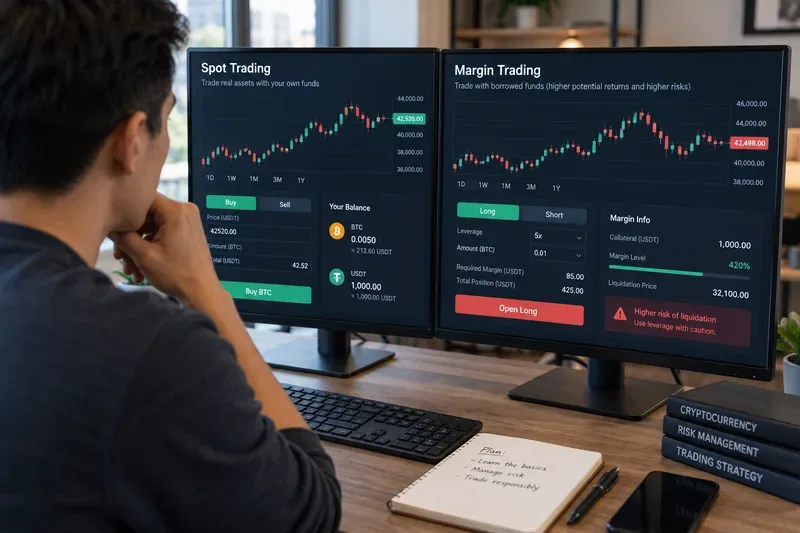
暗号資産における現物取引と証拠金取引の違いについて、所有権、レバレッジ、清算リスク、コスト、注文の種類、初心者向けのリスクチェックなどを含めて学びましょう。
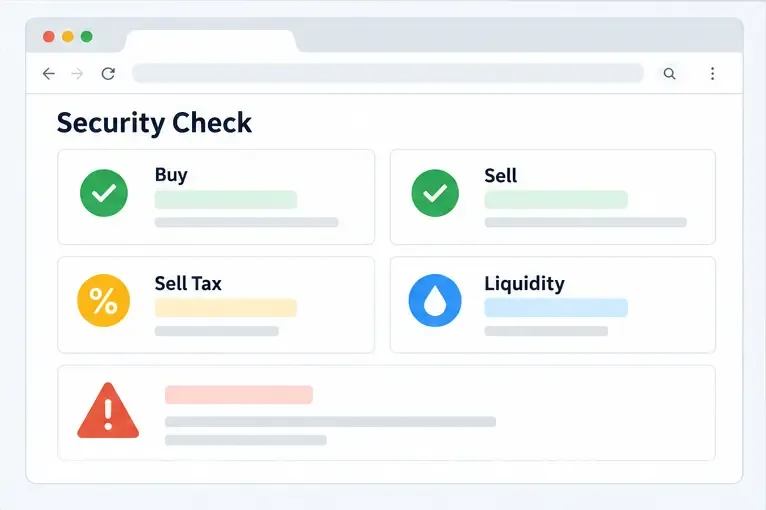
Learn how honeypot crypto scams block token sales, how to check sell simulations, taxes, liquidity, and contract controls before risking funds.
株価操作(ポンプ・アンド・ダンプ)の仕組み、注意すべき兆候、そして操作された株式や暗号資産から資金を守るための実践的な手順を学びましょう。
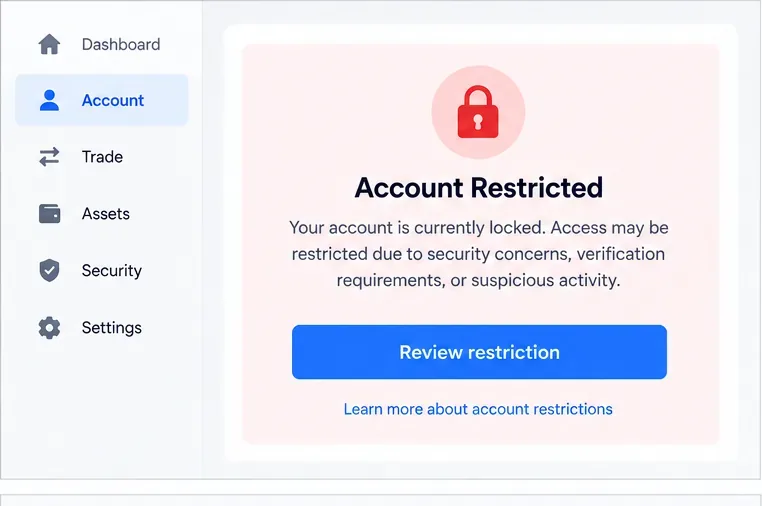
ロックされた仮想通貨取引所アカウントを安全に復旧する方法、本人確認書類の準備方法、セキュリティチェックの完了方法、詐欺の回避方法、審査遅延への対処方法を学びましょう。
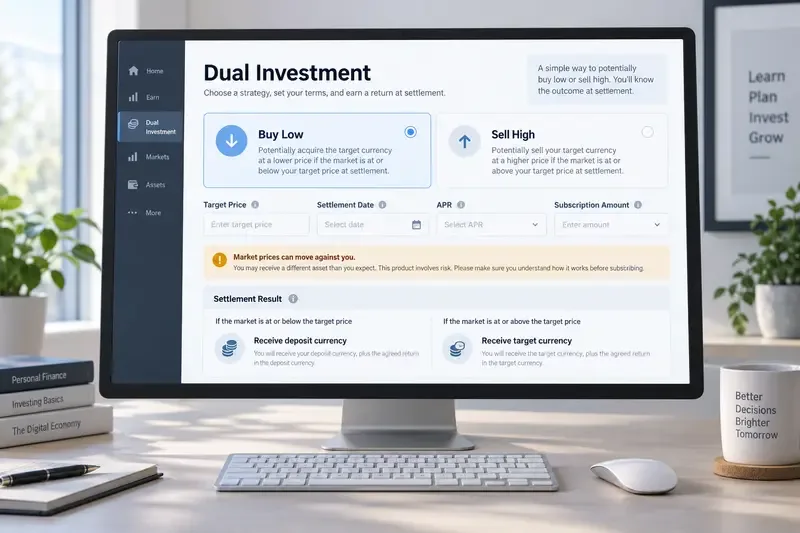
Learn how Binance Dual Investment works, including Buy Low, Sell High, settlement, APR, liquidity limits, market risk, and Auto-Compound.