分析代幣分發:如何識別潛在的內部錢包
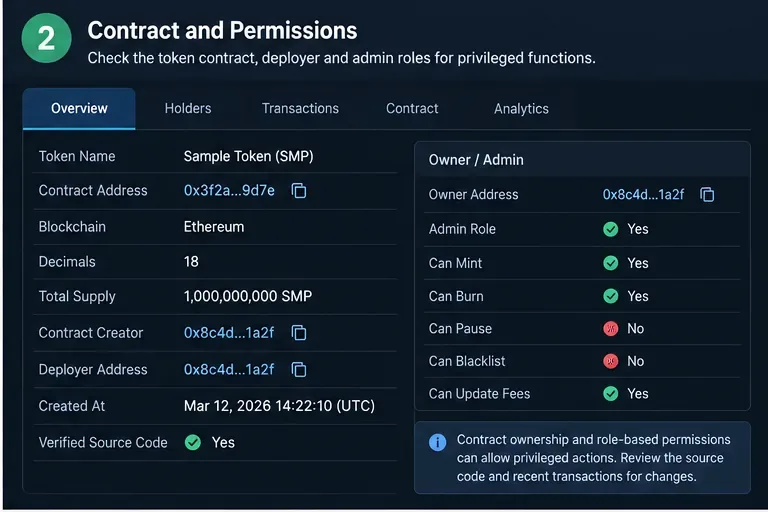
一個利用持有者集中度、部署者關係、資金模式、標籤和鏈上行為來識別潛在的與內部人員有關的加密錢包的實用框架。
A long-term crypto holding portfolio is not a list of coins chosen once and forgotten. It is a risk-management system: decide how much loss you can absorb, assign each holding a clear role, buy according to rules, protect access, keep records, and review the plan on a schedule. The framework below is educational, not individualized investment or tax advice. Crypto assets can lose substantial value, and no allocation or custody method guarantees a profit or prevents loss.
This guide is written for a U.S. reader and reflects official guidance checked on September 16, 2026. Rules, product availability, taxes, and platform protections can change. For current tax treatment, read the IRS digital assets guidance. For investor-risk and custody context, review the SEC's crypto asset custody bulletin.
The objective is not to predict the next winning token. It is to make a portfolio that remains understandable when prices fall, headlines become emotional, or a trading platform changes its rules. A workable plan answers five questions before the first purchase:
Start with money that is genuinely long term. An emergency reserve, near-term bills, high-interest debt, and essential insurance should not depend on a volatile digital-asset position. The SEC says crypto asset investments can be exceptionally risky and that investors should consider only money they can afford to lose entirely. That is a useful portfolio-level constraint, not a prediction about any particular coin.
Action: Write one sentence stating the time horizon and one maximum-loss boundary for the crypto portion. If either sentence is impossible to write, postpone the purchase and clarify the household budget first.
There is no official percentage that is right for everyone. A suitable amount depends on income stability, emergency savings, debt, other investments, dependents, time horizon, and tolerance for a large drawdown. A person with a diversified retirement plan and a funded emergency reserve faces a different decision from a person who may need the money next year.
Use a portfolio-level cap rather than letting each new token purchase make the decision for you. Define the maximum value of all crypto exposure as a share of investable assets, then check what happens if that sleeve falls sharply. The cap should include direct holdings and, where relevant, exposure through funds, employer benefits, lending arrangements, or other products. Do not borrow to reach the cap: leverage can turn a market decline into a forced sale or a debt problem.
The CFTC describes buying digital currency solely because you expect to resell it at a higher price as speculation. That does not make every long-term thesis invalid, but it does mean a holding-period label cannot remove market risk. “Long term” is a time horizon, not a safety feature.
Action: Record the cap in dollars and as a percentage, including whether it covers every wallet and account. Set a date to review it instead of changing it after a rally or panic.
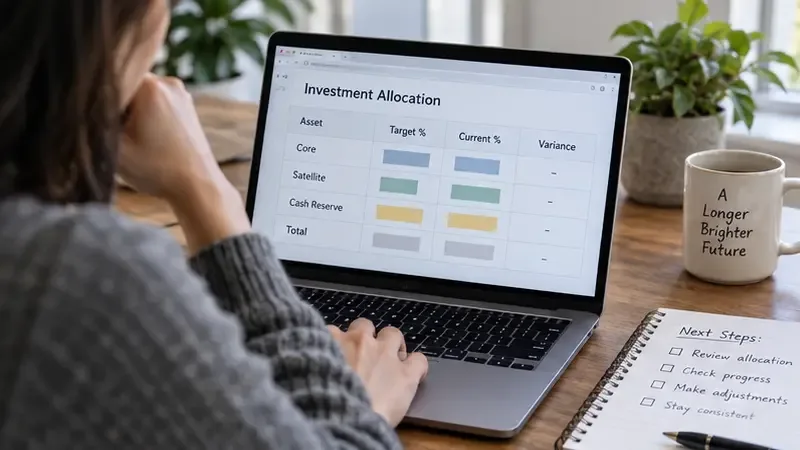
Organize assets by role, not by the number of ticker symbols. A simple structure helps you decide what to research and what to do when a holding no longer fits.
| Portfolio role | Purpose | Questions to answer |
|---|---|---|
| Core | Longer-horizon exposure to assets you understand best | What is the thesis, what could invalidate it, and why does it deserve the largest attention? |
| Satellite | Smaller, higher-uncertainty ideas | What evidence supports the use case, and what loss limit prevents one idea from dominating? |
| Operational reserve | Cash for fees, transfers, or planned purchases | Can this amount cover expected activity without forcing a sale? |
| Speculative or yield sleeve | Optional exposure with extra platform, smart-contract, liquidity, or counterparty risk | Is the added return worth the added failure modes, and can the position be lost without damaging the plan? |
“Core” does not mean guaranteed, government-backed, or appropriate for every investor. It only means the asset has a defined role within your own plan. The SEC notes that crypto assets vary significantly and can present different benefits and risks. Avoid treating a familiar name, large market value, or long trading history as proof that an asset is safe.
Action: Give every intended holding a role, a one-paragraph thesis, and a maximum position size before buying. If you cannot explain the role without repeating a price forecast, classify the idea as unresearched.
Use a repeatable checklist. It is more useful than trying to find a perfect ranking of coins.
如果購買理由是社群媒體上的推薦、價格突然飆升、保證收益或敦促立即行動的訊息,則務必格外謹慎。美國商品期貨交易委員會(CFTC)警告投資者不要根據社群媒體上的推薦或價格突然上漲購買虛擬貨幣。 CFTC還警告說,即時通訊應用中承諾的保證收益或超額收益都是詐騙訊號。
操作:保存項目的主要文件、代幣供應資訊以及平台的費用和提現頁面,並註明您查看的日期。如果某項聲明無法核實,請將其標記為“未知”,而不是盲目樂觀地填補空白。
選擇一種能降低在市場劇烈波動期間做出最終決策機率的策略。一些長期投資者會採用定期定額投資(有時稱為美元成本平均法)來分散投資。這種方法可以減輕擇時壓力,但並不能消除市場波動,也不能保證更低的平均價格,更不能避免選錯資產的風險。一次性購買和定期購買都存在市場風險。
在為帳戶充值之前,請先比較不同服務的交易點差、明確費用、提現規則、支援的網路、身分驗證要求以及客戶支援流程。確認您了解自己購買的是資產本身,還是提供該資產經濟敞口的產品。不要想當然地認為應用程式的易用性就意味著資產安全。 FINRA(美國金融業監理局)指出,加密貨幣平台和錢包可能遭受駭客攻擊或故障,消費者可能會蒙受損失。
保持流程的規範性:使用書面繳款計劃,避免借貸,不要追逐價格波動,當服務提供者要求您繞過正常的安全控制時,請立即停止操作。小額測試轉帳可以在進行大額轉帳之前驗證地址和網絡,但這並不能證明平台能夠持續運作或可用。
操作:建立購買前清單,內容包括金額、資產、網路、總費用、目的地和購買原因。請確保所有欄位都已填寫完整後再點選確認。
託管方式與資產選擇是兩個不同的決定。美國證券交易委員會解釋說,加密錢包通常儲存存取資產所需的私鑰;它並不像實體錢包儲存現金那樣儲存資產本身。遺失或洩漏私鑰可能導致失去存取權限。
| 選項 | 實際優勢 | 主要權衡 |
|---|---|---|
| 交易所或其他第三方託管 | 便捷的買賣和帳戶恢復 | 平台風險、提款風險、破產風險、網路安全風險和政策風險;您依賴服務提供者的控制措施。 |
| 熱錢包 | 快速存取交易 | 網路連線增加了遭受網路釣魚、惡意軟體和金鑰盜竊的風險。 |
| 冷錢包或硬體錢包 | 私鑰可以離線保存,減少使用頻率。 | 承擔更多設定、備份、設備遺失和交易驗證的責任。 |
美國證券交易委員會( SEC )的託管公告對比了熱錢包的便利性和冷錢包通常較低的網路安全風險。美國金融業監理局(FINRA)也指出,竊盜通常發生在攻擊者取得私鑰之後。冷儲存和硬體設備都不能保證絕對安全:偽造的設備、惡意設定、遺失的備份或發送到錯誤地址的簽名交易仍然可能造成損失。
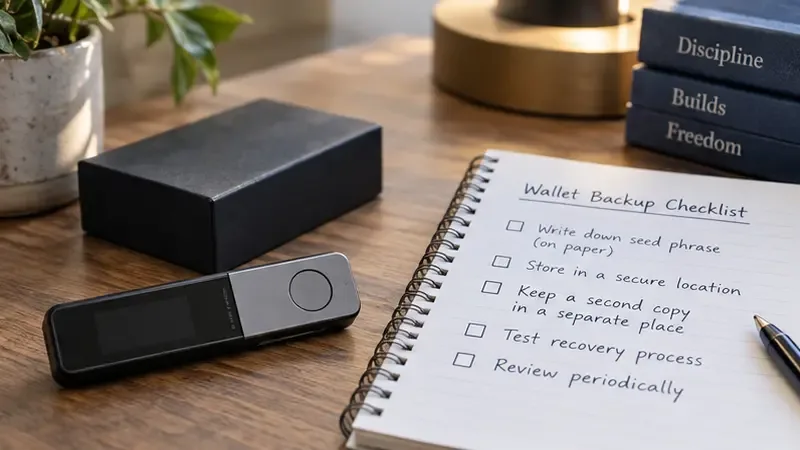
如果選擇自行保管,請離線建立備份,將復原資訊遠離攝影機和雲端筆記,並且切勿與客服人員或網站共用復原短語。如果選擇第三方保管,請啟用強帳戶保護,使用唯一密碼,仔細閱讀提現控制條款,並了解存取受限時的應對措施。建議將用於小額交易的錢包與不常用的資產錢包分開。
行動:記下誰可以轉移資產、需要哪些備份,以及如果手機、裝置或平台無法使用該怎麼辦。如果恢復路徑不明確,暫時不要轉移長期持有的資產。
應該在日曆上查看計劃,而不是每次圖表出現變動就查看。每季或每半年檢查一次可以涵蓋投資組合上限、每項持倉的投資邏輯、託管權限、服務提供者通知、費用和記錄。再平衡意味著回到你選擇的角色或限額;它不應該成為你追逐每一個新聞頭條進行交易的新藉口。
發生重大安全事件、平台提現條款變更、專案發生重大變更、重大人生事件或稅法變更後,應盡快重新評估。重新平衡可能會產生費用、價差和應稅處置。在美國應稅帳戶中,即使將所得款項再投資,出售或交換資產也可能產生稅務後果。
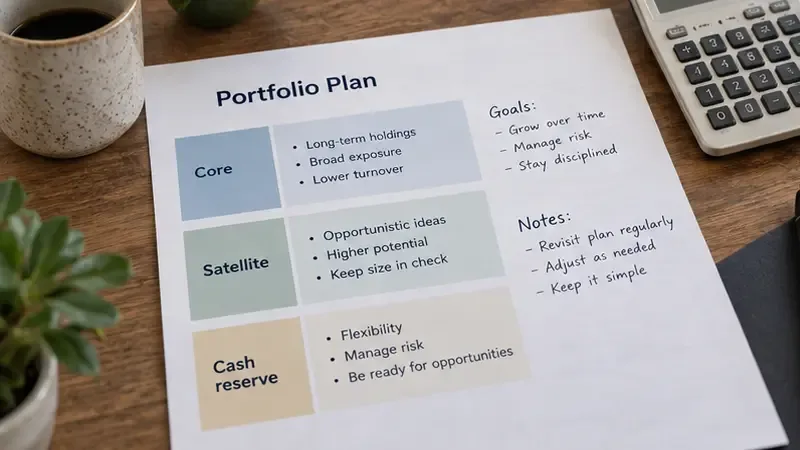

行動:立即將下次審核日期新增至您的行事曆。審核時,請記錄下實際發生的變化,而不僅僅是價格的變化。
美國國稅局將數位資產視為財產,並按聯邦稅法徵稅。其指南指出,納稅人應保留購買、收據、銷售、交換及其他處置記錄,包括日期、時間、數量、以美元計價的公允市場價值以及計算損益所需的成本基礎資訊。持有期限至關重要:持有一年或一年以下的資本資產通常被視為短期資產,而持有超過一年的則通常被視為長期資產。
妥善保存交易日誌,記錄資產、網路、錢包或帳戶、交易ID(如有)、數量、手續費、美元價值、日期和時間、用途以及相關稅號。錢包間的轉帳可能並非買賣,但記錄仍應顯示資金的轉移情況和去向。獎勵、支付、質押、借貸、贈與、兌換以及打包或橋接資產可能需要更專業的分析。經紀商報告製度也正在逐步實施,因此請勿依賴未來的稅務表格來重建舊記錄。
本文僅提供美國相關信息,並非稅務建議。各州及其他國家的稅務規定可能有所不同。如涉及複雜事項或金額較大,請諮詢合格的稅務專業人士。
行動:定期匯出帳戶和錢包記錄,儲存第二個安全副本,並在年底前(而不是在申報截止日期後)核對日誌。
在情緒影響之前,先確定好減持條件。當持倉超出投資組合上限、最初的投資邏輯不再成立、託管或平台風險變得無法接受、需要資金來實現人生目標,或者您的稅務和財務計劃發生變化時,減持可能是合適的。賣出不一定意味著失敗,持有也不一定意味著自律。
不要將價格目標作為唯一的退出規則。目標價位容易導致錨定效應,而恐慌情緒可能將暫時的下跌演變成不可逆轉的決定。務必記錄所有證據、成本、稅務影響以及替代方案。如果你除了「它必須回來」之外,無法解釋為何仍然持有該部位,那麼請重新審視你的投資邏輯。
行動:在與買入規則相同的文件中加入三條書面賣出或減持觸發條件。對於受社群媒體或緊急訊息影響而做出的決定,要求設定一段短暫的冷靜期。
核心理念簡單卻要求高:先建置流程,再建置倉位。官方投資者保護機構不斷強調波動性、託管風險、詐欺風險以及全部損失的可能性。將這些警告視為設計要求。一個長期投資組合最穩健的狀態是:能夠解釋其局限性、隨時恢復訪問權限、記錄其歷史記錄,並在無需市場配合的情況下遵循其規則。
主要參考資料: 美國證券交易委員會關於加密資產證券的投資者警示;美國證券交易委員會加密資產投資者資源;美國金融業監管局關於加密貨幣儲存的指南;美國金融業監管局關於比特幣基礎知識和風險的指南;美國商品期貨交易委員會關於虛擬貨幣風險的指南;以及美國國稅局關於數位資產稅務的指南。
一個利用持有者集中度、部署者關係、資金模式、標籤和鏈上行為來識別潛在的與內部人員有關的加密錢包的實用框架。
學習如何在風險預算、代幣盡職調查、錢包安全、謹慎執行、退出規則和稅務記錄的框架下交易模因幣。
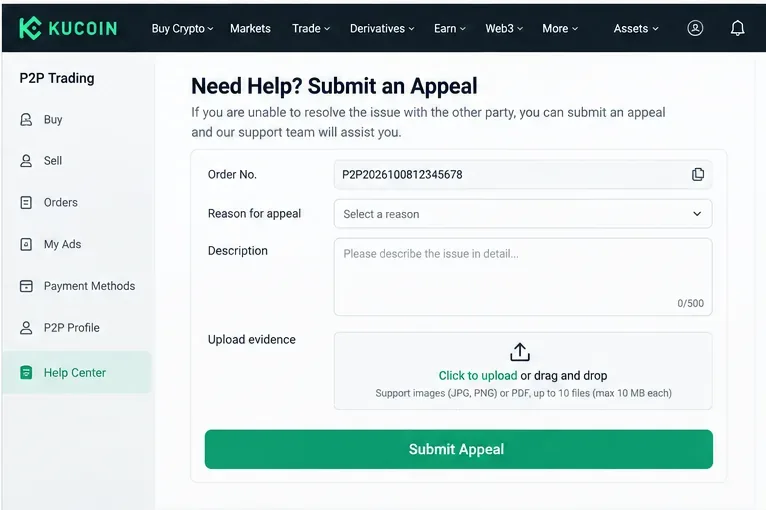
學習如何使用 KuCoin P2P 買賣加密貨幣、驗證付款、選擇報價、避免常見騙局以及安全地處理糾紛。
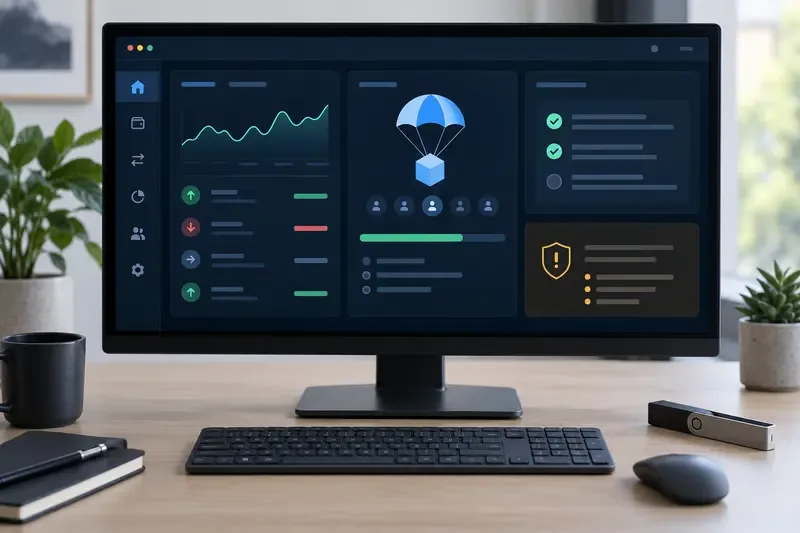
了解什麼是加密貨幣空投、資格規則如何運作、應該避免哪些誤解,以及如何在不冒錢包風險的情況下抓住重大機會。
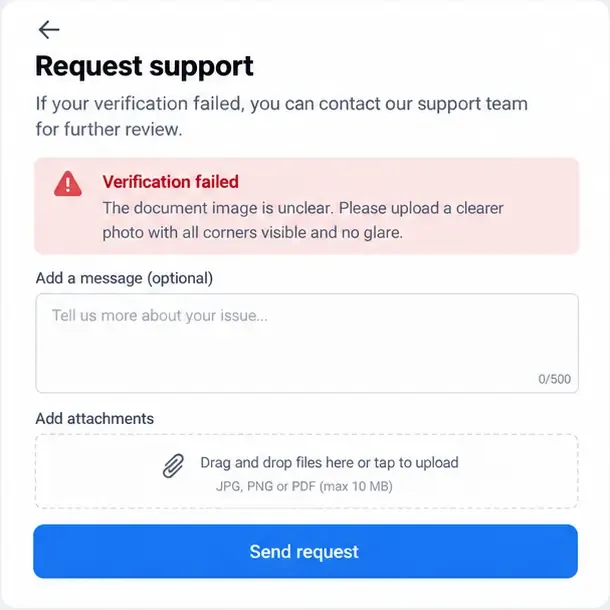
了解如何透過修正文件、自拍、資料不符和帳戶問題來解決幣安、Bybit 和 OKX 上的 KYC 驗證失敗問題。
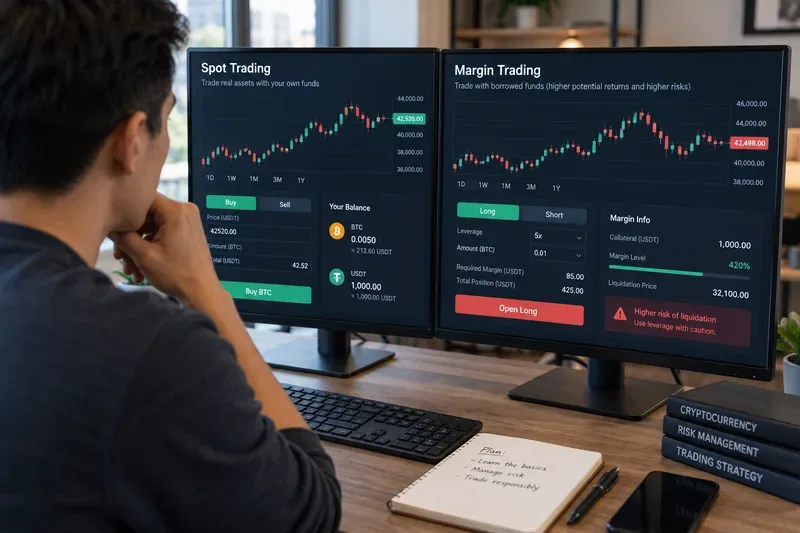
了解加密貨幣現貨交易和保證金交易的區別,包括所有權、槓桿、清算風險、成本、訂單類型和新手風險檢查。
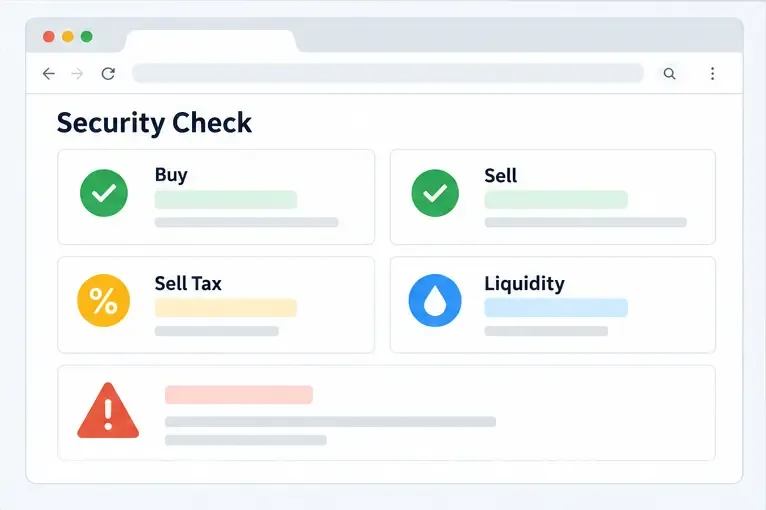
了解蜜罐加密貨幣騙局如何阻止代幣銷售,如何在投入資金之前檢查銷售模擬、稅收、流動性和合約控制。
了解拉高出貨騙局的運作方式、需要注意的警告信號,以及保護您的資金免受操縱的股票和加密資產侵害的實用步驟。
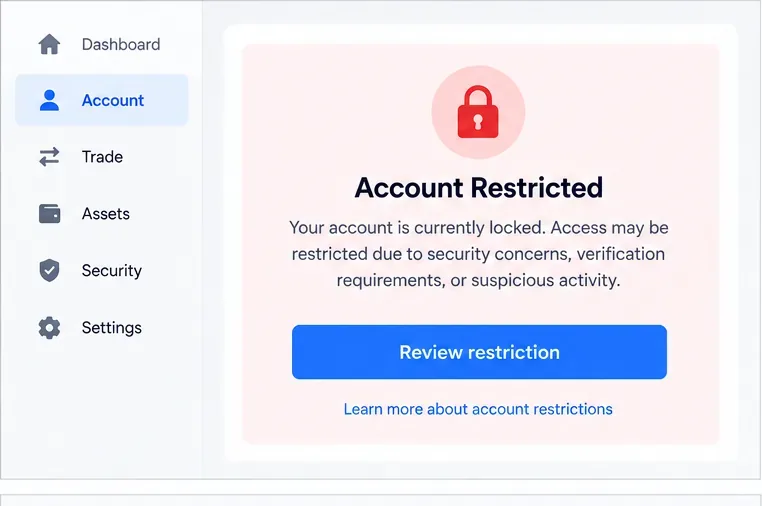
學習如何安全地恢復被鎖定的加密貨幣交易所帳戶、準備驗證文件、完成安全檢查、避免詐騙以及應對審核延遲。
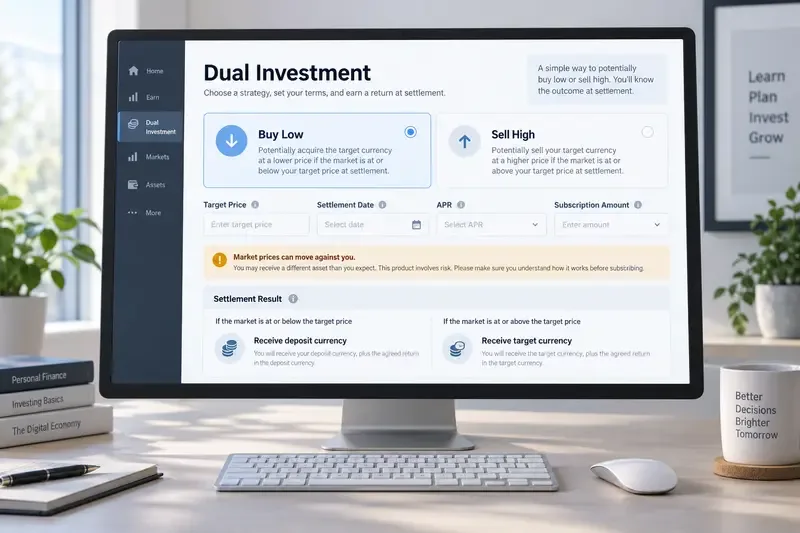
了解幣安雙重投資的運作方式,包括低買高賣、結算、年利率、流動性限制、市場風險和自動複利。