過小評価されているDeFi 3.0の逸材は、大ブレイクアウトの準備ができているのか?2026年に調査すべき5つのプロトコル
検証済みの2026年の触媒を持つ5つのDeFi 3.0プロトコルに加え、どの暗号通貨も過小評価されていると判断する前に使用すべきトークン、収益、ロック解除、リスクのチェック項目。
Short answer: if you are looking for DePIN “hidden gems” before another crypto bull run, the most interesting research candidates are not necessarily the smallest tokens. The better starting point is to find networks where real-world usage can create measurable demand for the token. As of September 14, 2026, five projects stand out for different reasons: GEODNET (GEOD) for precision-location infrastructure, Hivemapper (HONEY) for mapping, DIMO (DIMO) for vehicle data, WeatherXM (WXM) for weather data, and io.net (IO) for decentralized GPU compute.
This is a research shortlist, not a prediction that any token will outperform. “Hidden gem” is also a subjective label: a project can have strong technology and still be a poor investment at the wrong valuation. No one knows when the next bull run will begin, how long it will last, or whether DePIN will lead it. The practical goal is to identify projects with a credible link between infrastructure usage and token economics, then check valuation, liquidity, emissions, unlocks, and execution before considering a position.
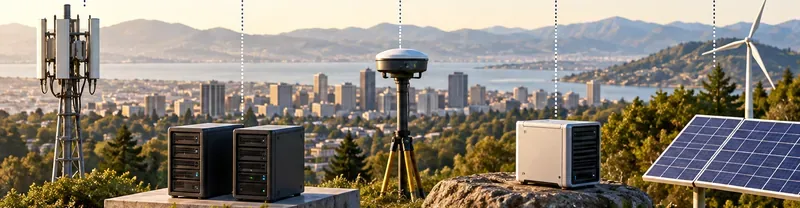
DePIN stands for Decentralized Physical Infrastructure Network. Instead of one company owning every physical asset, a DePIN protocol coordinates independent participants who contribute hardware, connectivity, sensors, compute, storage, mapping data, or other real-world resources. Tokens are often used to reward supply, govern the network, or pay for services.
That description sounds attractive, but it creates a common investing mistake: assuming that a useful network automatically creates a valuable token. It does not. A network may grow while token emissions grow faster. Customers may pay in dollars without creating meaningful buy pressure. Hardware operators may immediately sell rewards to cover costs. A token can also be richly valued long before revenue catches up.
For this shortlist, the key question is therefore token capture: when customers use the network, is there a defined mechanism that can increase token demand, reduce token supply, or otherwise connect usage to token economics?
| Project | Token | DePIN niche | Why it stands out | Main risk to check |
|---|---|---|---|---|
| GEODNET | GEOD | Precision GNSS / RTK positioning | Commercial positioning data plus a stated revenue-linked buyback-and-burn mechanism | Hardware emissions, competitive RTK market, and whether revenue growth keeps pace with incentives |
| Hivemapper | HONEY | Street-level mapping | Map usage requires Map Credits created by burning HONEY; most consumed HONEY is permanently burned under current rules | Contributor emissions, mapping-data demand, hardware adoption, and competition from incumbent mapping providers |
| DIMO | DIMO | Connected-vehicle data | Permissioned vehicle-data infrastructure across many automakers; DIMO Credit was designed to be created by burning DIMO | Token-capture rules can evolve through governance; automotive integrations are operationally demanding |
| WeatherXM | WXM | Hyperlocal weather data | Commercial data licensing is designed to require WXM while station operators earn WXM for quality data | Ten-year token distribution, station-supply growth, and converting network coverage into paying data demand |
| io.net | IO | Decentralized GPU compute | Its 2026 Incentive Dynamic Engine ties supplier economics to real usage and includes a revenue-funded burn mechanism | GPU-cloud competition, utilization, customer concentration, execution, and the fact that compute is a crowded DePIN trade |
How to use this table: do not treat the order as a ranking. GEOD and HONEY have relatively explicit usage-to-token mechanisms; DIMO and WXM offer differentiated data-network theses; IO offers the highest exposure here to the AI-compute narrative. The right candidate depends on which demand story you think can become durable.
GEODNET is building a global Real-Time Kinematic, or RTK, network. RTK uses fixed GNSS reference stations to send correction data that can improve satellite positioning from meter-level accuracy toward centimeter-level precision under appropriate conditions. That matters for drones, surveying, agriculture, construction equipment, autonomous machines, and robotics.
The investment case is unusually easy to understand for a DePIN project because the network has an identifiable commercial product: precision location data. GEODNET’s official RTK documentation shows customers connecting rovers to regional servers through NTRIP and receiving correction streams, while its network documentation describes token incentives for deploying and maintaining reference stations. See the official GEODNET RTK service documentation and the GEODNET network and tokenomics page.
The token-capture mechanism is the bigger reason GEOD belongs on this list. GEODNET’s current site states that 80% of data revenue is used to buy back and burn GEOD. Its support documentation also says data payments are converted to GEOD for buyback and burn, while GEOD has uses tied to data services, equipment discounts, and network features such as staking. The official explanation is available in GEODNET’s token-utility documentation.
Best fit for: investors who want DePIN exposure to robotics and machine positioning rather than consumer crypto apps.
What could go wrong: token incentives may attract station supply faster than commercial demand develops; RTK is an established industry with centralized competitors; and a buyback formula only matters if revenue becomes material relative to the token’s market value and ongoing emissions. GEODNET also has a one-billion-token maximum supply and a scheduled mining-reward system, so dilution and circulating supply still matter.
Hivemapper coordinates drivers who collect fresh street-level imagery using approved camera hardware. The network processes that imagery into mapping products and features such as traffic signs, lane information, and other road observations. Customers and developers can then consume the resulting data.
The core reason HONEY deserves attention is not simply that decentralized mapping sounds compelling. It is the way data consumption reaches the token. Hivemapper’s current documentation states that developers use Map Credits to consume network products, and Map Credits are generated by burning HONEY. Under MIP-15, 75% of HONEY burned for map consumption is permanently burned, while 25% can be reminted as consumption rewards, subject to a weekly cap. See the official HONEY burn-and-mint documentation.
Hivemapper also publishes a maximum supply of 10 billion HONEY and allocates 40% of the maximum supply to contributor rewards. That means the bull case and the dilution risk exist at the same time: greater mapping activity can improve the network, but investor returns depend on customer-driven burns eventually becoming significant relative to issuance. The allocation and utility mechanics are documented in Hivemapper’s HONEY overview.
Best fit for: investors who prefer a data marketplace where token burn is explicitly connected to customer consumption.
What to monitor: paid Map Credit usage, fresh road coverage in commercially valuable regions, adoption of Bee hardware, developer products built on top of the map, and the relationship between HONEY burned and HONEY issued to contributors.
DIMO is a vehicle-data network designed to let vehicle owners grant applications permission to use telemetry and vehicle identity data. The current DIMO site says its platform supports more than 50 vehicle brands and provides developers with permissioned access to signals such as location, odometer, battery or fuel information, tire pressure, and diagnostic data through APIs and SDKs. That creates potential use cases across fleets, maintenance, insurance, rentals, charging, vehicle commerce, and AI agents operating around transportation.
製品の実際的な側面を知りたい場合は、まず公式のDIMOプラットフォーム概要をご覧ください。DIMOはTypeScript、Python、C#向けの開発者ツールも公開しています。これは、DePINの需要はトークンだけでは生まれず、実際にデータを利用できるアプリケーションが必要となるため、重要なことです。
トークン獲得理論は、HONEYやGEODよりも複雑な様相を呈しています。2024年、DIMO財団はネットワーク手数料の安定単位としてDIMOクレジット(DCXとも呼ばれる)を導入しました。財団は、DCXはDIMOをバーンすることによってのみ生成可能であり、バーン量はDIMOの市場価格によって決まると説明しています。この設計は、DIMO財団のDIMOクレジットに関するガバナンス説明に記載されています。DIMOは提案に基づいて運営され、その経済設計は進化する可能性があるため、投資家は古いバーンに関する想定に頼る前に、現在の手数料メカニズムを確認する必要があります。
最適な投資家:所有者が管理する車両データは、自動車メーカーのサイロ内に閉じ込められたままではなく、モビリティサービスのインフラストラクチャ層になり得ると考える投資家。
監視すべき事項:稼働中のコネクテッドカー、開発者の採用状況、有料APIの利用状況、車両ブランドのカバー率、DIMOクレジットの使用状況、現在の報酬発行状況、およびトークンの有用性に関するガバナンスの変更。
WeatherXMは、多くの暗号資産インフラプロジェクトよりも対象範囲が狭いため、まさに興味深い存在と言えるでしょう。このネットワークは、気象観測所を設置し、品質管理された地域気象データを提供することで、所有者に報酬を与えます。商用ユーザーはネットワークデータのライセンスを取得できるため、農業、保険、物流、エネルギー、研究、その他気象に影響を受ける企業にとって、明確な需要源となります。
WeatherXMの公式トークノミクス文書によると、WXMの総供給量は1億トークンで、報酬は10年間かけて分配されます。同文書では、ネットワークのデータやサービスを利用したい商用顧客はWXMを取得する必要があり、ステーション所有者はデータ提供の見返りとしてWXMを受け取ると規定されています。WeatherXMの現在の報酬システムでは、データ品質や位置情報の証明といった要素も評価対象となります。詳細は公式報酬メカニズムをご覧ください。
これは、DePINにおける典型的な二面性を持つ課題である。ネットワークは、データの価値を高めるために、有用な場所に十分な数のステーションを必要とするが、顧客を増やさずにステーションを追加すると、同等の需要を生み出すことなくトークンの配布量を増やすことができる。商用ライセンスの成長率が供給を促進するための経済的コストを上回る場合、投資の妥当性は向上する。
最適な投資家:供給量が限定され、トークンに明確な商業ライセンスの役割がある、環境データに特化した投資テーマを求める投資家。
監視すべき事項:有料データ利用者数、放送局数ではなく放送局の質、商業放送の空白地帯、報酬計算式の変更、および予定されているトークン配布のペース。
分散型GPUコンピューティングはDePINの中でも最も競争の激しい分野の一つであるため、IOは小型センサーネットワークのような意味で「隠れた」存在ではありません。その経済構造の再構築により、投資家はAIの誇大宣伝に惑わされることなく、具体的な動向を注視できるからです。
io.net は、独立系プロバイダーから GPU 供給を集約し、そのコンピューティング能力を AI やその他のワークロードに提供します。2026 年 6 月、ネットワークはインセンティブ ダイナミック エンジン (IDE) をローンチし、従来の固定発行方式を需要主導型モデルに置き換えました。現在のio.net の公式トークノミクス ページによると、サプライヤーへの報酬は米ドル建てで、実際の使用量に基づいて支払われます。サプライヤーへの支払いが完了した後、残りの収益の少なくとも 50% がバーンされます。プロジェクトのトークノミクスに関する論文によると、この再設計は、IO 供給を固定インフレではなく、ネットワーク活動により直接的に結びつけることを目的としています。
これはIO理論の最も重要な部分です。実際のコンピューティング利用率が増加すれば、経済システムは実際の需要に対応するように設計されています。io.netは公式アップデートを通じてネットワークと収益のマイルストーンも公開していますが、投資家は企業が報告した数値と独立監査済みの財務諸表を区別する必要があります。io.net 2026アップデートアーカイブには、IDEのローンチやその他のネットワーク開発が記録されています。
最適な投資家:分散型AIコンピューティングへの直接的なエクスポージャーを得る代わりに、より高い競争リスクを受け入れる意思のある投資家。
監視すべき項目:有料GPUの利用率、サプライヤーへの支払い後の収益、実際のトークンバーン、企業顧客の集中度、GPUの品質、稼働時間、Aethir、Akash、集中型クラウド、および新興GPUマーケットプレイスとの競争。
Grassは、数百万人の参加者を擁する主要なDePIN帯域幅および公開ウェブデータネットワークであり、AIデータに関する議論と密接に結びついています。公式サイトによると、機関は未使用の家庭用帯域幅を通して、公開されているウェブデータへのリクエストをルーティングするためにこのネットワークを利用しています。これは単なる象徴的な概念ではなく、真のサービスモデルです。
しかし、トークン投資の関連性については、さらに精査する必要がある。2026年7月、Grassはステージ2の参加者報酬を新規GRASS発行ではなくUSDCで配布すると発表し、配布によって流通しているGRASSの供給量が変わらないことを明言した。公式のステージ2報酬アップデートを参照のこと。これは希薄化にはプラスとなるかもしれないが、同時に、ネットワークの成長がGRASSの直接的な需要を生み出すと投資家が自動的に考えるべきではないことも意味する。トークンはガバナンス、ステーキング、エコシステムの役割を担う可能性はあるが、価値獲得の道筋はユーザー数の増加とは別に検討する必要がある。
これはDePINに投資するすべての人にとって有益な教訓だ。巨大なネットワークだけでは十分ではない。経済活動がどのようにトークンに反映されるのかを問うべきだ。
| もしあなたの論文が… | まず調査をしましょう | なぜ |
|---|---|---|
| ロボット工学と高精度測位が主要なインフラ市場となる | ジオドネット | RTK補正データは産業分野での活用事例を確立しており、GEODNETは収益連動型の買い戻し・焼却制度の設計を発表している。 |
| 新しい地図は、中央集権型の地図スタックからシェアを奪うことができる。 | ハイブマッパー | 顧客による地図の利用は、マップクレジットを通じたHONEYの消費と明確に結びついています。 |
| 車両所有者と開発者には中立的なデータレイヤーが必要である | ディモ | このネットワークは既に、多くの自動車ブランドにわたる、標準化され、許可されたデータを公開している。 |
| 超局所的な環境データが商業的に価値を持つようになる | ウェザーXM | WXMは、放送局へのインセンティブと商業的な気象データライセンスを結びつけている。 |
| AI需要の高まりにより、GPU使用率は上昇し続けている。 | io.net | 2026年のトークノミクス再設計では、サプライヤーへの支払いとトークンのバーンにおいて、実際のコンピューティング利用が中心的な役割を果たすようになる。 |
仮想通貨の強気相場は、シンプルなストーリーを重視する。「AIコンピューティング」「ロボット工学」「マッピング」「機械経済」といった分野は、いずれも迅速に資金を集めることができる。しかし、DePINプロジェクトは、物理的なインフラストラクチャによって、運用上の疑問が明確に生じるため、多くのトークンカテゴリーと比べて測定が非常に容易である。例えば、何人の顧客が利用しているのか?利用頻度は?支払額は?遊休供給量は?貢献者への報酬コストは?支出のうち、トークン価格に影響を与える割合は?といった疑問である。
そのため、最高の隠れた逸品を見つけるための調査プロセスは、華やかさには欠けるものの、より実用的になります。まずは顧客から始め、プロトコルを通して資金の流れを追跡し、その経済活動をトークンの供給量と評価額と比較します。その後で初めて、強気相場のシナリオを検討すべきです。
今後の市場拡大を見据えたコンパクトなDePINウォッチリストをお探しなら、GEOD、HONEY、DIMO、WXM、IOは、明確な実用製品を備えた5つの異なるインフラストラクチャテーマを網羅しています。GEODとHONEYは、サービス利用とトークン削減を連動させる仕組みが特に分かりやすくなっています。DIMOとWeatherXMは、潜在的に防御可能なデータセットを備えた専門的なデータネットワークを提供しています。io.netは、当初の発行システムよりも利用状況に連動した経済モデルを採用することで、GPU需要へのベータ値の高いエクスポージャーを提供します。
新たな強気相場が到来するかもしれないという理由だけで購入すべきではありません。投資する前に、最新の流通供給量、ロック解除カレンダー、流動性、プロトコルの収益または利用状況、現在のガバナンスルール、およびトークンの完全希薄化後評価額を確認してください。これらの数値はプロトコルのドキュメントよりも速く変動し、基盤となるプロジェクトが健全な状態であっても、リスクとリターンを大きく左右する可能性があります。
研究原則: DePINでは、最も強力なトークン理論とは、実際の顧客が実際のサービスに対して料金を支払うことで、トークンに帰属する経済的価値がどのように生み出されるかを、一文で説明できる理論であることが多い。
検証済みの2026年の触媒を持つ5つのDeFi 3.0プロトコルに加え、どの暗号通貨も過小評価されていると判断する前に使用すべきトークン、収益、ロック解除、リスクのチェック項目。
Five crypto projects screened below $10M in September 2026, compared by utility, liquidity, token economics, catalysts, and risks that can erase upside.
Baseエコシステムの5つのトークン(AERO、WELL、EXTRA、SEAM、ALB)について、誇大広告ではなく、実用性、トークノミクス、触媒、リスクチェックを用いて調査してください。
ゲーム関連の仮想通貨は初めてですか?小型株のWeb3ゲームトークンを評価する方法を学び、その後、稼働中の製品、2026年のカタリスト、明確なリスクを備えた6つのプロジェクトをレビューします。
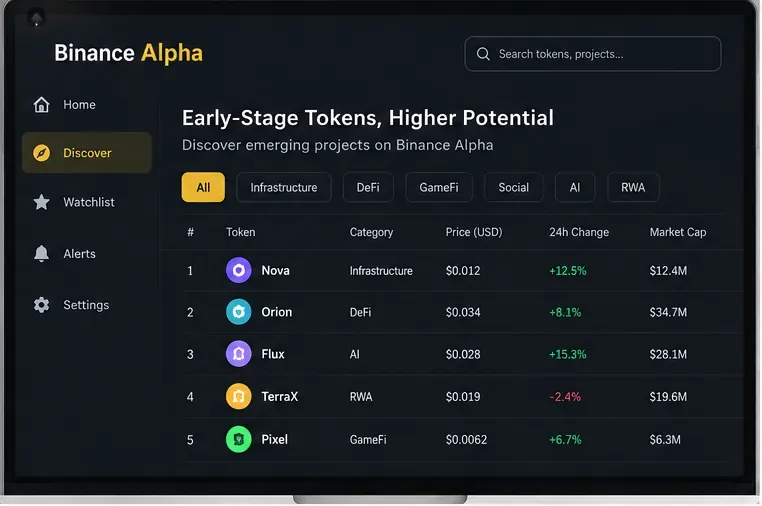
トークノミクス、契約、流動性、オンチェーンデータ、開発活動、およびBinance Alphaを活用して、Binanceへの上場が期待される初期段階の有望な仮想通貨を見つけるための実践的なガイド。
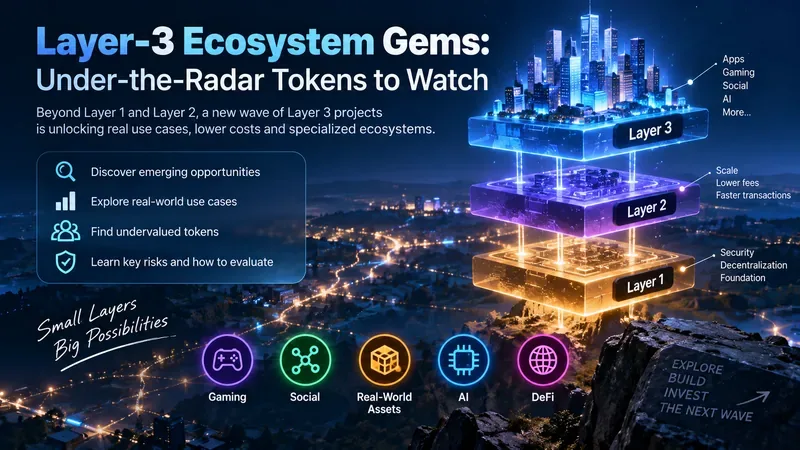
2026年に調査する価値のある5つのレイヤー3エコシステムトークン(ORBS、B3、XAI、DMT、RARI)について、検証済みのアーキテクチャ、触媒、トークンの有用性、および主要なリスクを詳しく見ていきましょう。
A 2026 evidence-based look at LINK, ONDO, SYRUP, CFG, and PLUME, focusing on real RWA adoption, token value capture, dilution risk, and thesis breakers.
A practical 2026 DePIN watchlist covering GEOD, HONEY, DIMO, WXM, and IO, with token-capture mechanics, risks, and a due-diligence checklist.
5,000万ドル未満の仮想通貨プロジェクトの中から、非対称的な上昇ポテンシャルを持つ5つのプロジェクトを、実用性、トークンエコノミクス、触媒、希薄化、流動性、および失敗リスクの観点から検証する。
実際の製品、トークンの実用性、そして2026年の触媒となる要素を備えた、5つの小規模なAI暗号プロジェクトを、研究者の視点から徹底的に分析する。さらに、その理論を頓挫させる可能性のあるリスクについても考察する。