索拉納生態系統分析:它能否維持到 2026 年第四季的成長動能?

Solana 的 2026 年生態系統正在 DeFi、穩定幣、RWA 和支付領域不斷擴展。以下因素可能會維持或削弱其第四季的發展動能。
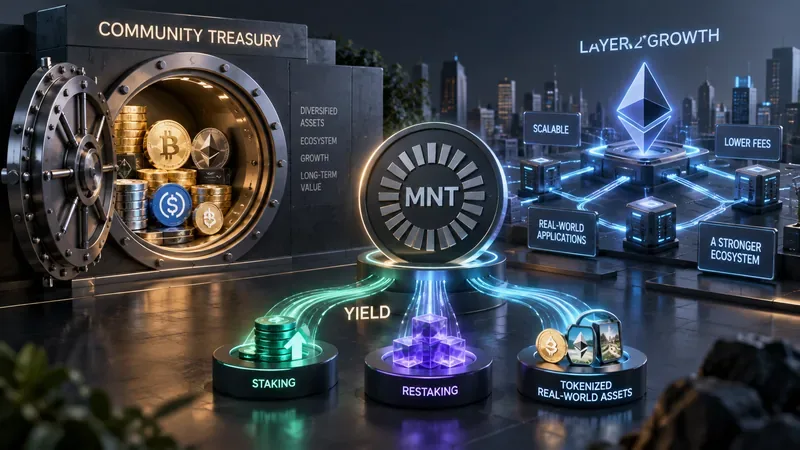
Mantle is easier to understand if you separate it into three connected systems: a community-controlled treasury, a set of yield-bearing assets and financial products, and an Ethereum Layer 2 network where MNT is used for gas and governance. Those systems reinforce one another, but they are not interchangeable. A large treasury does not automatically mean strong network demand, and a high yield does not automatically mean sustainable protocol revenue.
This guide uses first-party Mantle sources and is updated with information available on September 16, 2026. Treasury balances and market-linked values move continuously, so dated figures below should be treated as snapshots rather than permanent numbers.
| Component | What it does | What to monitor |
|---|---|---|
| MNT | Native gas asset on Mantle Network and governance token for ecosystem decisions. | Network activity, governance proposals, treasury-held MNT, and changes in circulating supply. |
| Mantle Treasury | Community-controlled pool used for strategic investments, liquidity, ecosystem programs, and product development. | Asset mix, MNT concentration, deployment decisions, and transparency of treasury flows. |
| Mantle Network | Ethereum Layer 2 infrastructure built around the OP Stack with modular data-availability design and ongoing ZK-proof integration. | Usage, fees, application activity, upgrades, bridging, and data-availability assumptions. |
| mETH / cmETH | ETH staking and restaking products designed to make yield-bearing ETH more usable across DeFi. | Yield source, liquidity, integrations, smart-contract risk, restaking exposure, and withdrawal conditions. |
| RWA and stablecoin stack | Tokenized real-world assets and stable-value instruments used to deepen onchain liquidity and financial applications. | Issuer quality, reserves, regulatory structure, liquidity, counterparties, and composability. |
Mantle’s current official foundation site describes the treasury as one of the largest community-owned treasuries in digital finance. Its published snapshot showed a total value of $2.413 billion as of September 14, 2026 at 18:35 UTC. The same page reported the following composition:
| Asset category | Value in official snapshot | Share |
|---|---|---|
| MNT | $1.755 billion | 72.74% |
| BTC | $232.2 million | 9.63% |
| ETH | $226.7 million | 9.40% |
| Stablecoins | $109.5 million | 4.54% |
| mETH and cmETH | $68.4 million | 2.83% |
| bbSOL | $15.1 million | 0.62% |
| COOK | $3.2 million | 0.13% |
| Other assets | $2.6 million | 0.11% |
You can check the current figures on the official Mantle Foundation site and follow onchain movements through the Mantle Treasury Monitor.
The most important detail is that nearly three quarters of the September 14 snapshot was MNT itself. That means the treasury’s dollar value can rise or fall sharply when MNT moves, even if no assets enter or leave treasury wallets. A $2.4 billion treasury should therefore not be interpreted as $2.4 billion of cash-like dry powder.
For practical analysis, split the treasury into two buckets. First is ecosystem-native exposure, primarily MNT and related Mantle assets. Second is external or more independently priced capital, such as BTC, ETH and stablecoins. The first bucket aligns the treasury with MNT upside, but it also creates concentration. The second is generally more useful for judging how much capital can be deployed without directly selling the native token.
MNT holders participate in governance over initiatives including treasury transfers, resource allocation and ecosystem programs. Mantle’s official site explicitly describes token-holder governance as the mechanism for strategic decisions. That gives the treasury several possible roles: providing liquidity, funding builders, supporting ecosystem incentives, anchoring investment products, and earning returns on selected assets. The official Mantle site also highlights an EcoFund, strategic partners, and treasury-supported asset initiatives.
The analytical trap is assuming that every dollar deployed from the treasury creates durable demand. Incentives can attract capital quickly, but sustainable growth requires users and developers to remain after rewards normalize.
“Mantle yield” is not one thing. Different products generate returns from different economic activities and carry different risks. A practical way to evaluate the ecosystem is to classify yield by its source.
mETH is Mantle’s liquid staking asset for ETH. In simple terms, ETH is staked and users receive a liquid token representing their position. The economic base is Ethereum staking rewards, while the liquid token can be used elsewhere in DeFi instead of leaving the staked ETH completely idle.
This makes mETH useful as a building block rather than merely a passive staking receipt. Mantle has historically focused on integrating mETH into money markets, exchanges, liquidity pools, and other venues. However, the yield is variable: Ethereum validator rewards, protocol fees, token exchange rates, and other conditions can change.
cmETH 將這一理念擴展到了重新質押領域。 Mantle 將其作為流動性重新質押代幣推出,旨在使重新質押的 ETH 能夠在更廣泛的生態系統中使用。該計畫在其mETH 和 cmETH 概述中對從 mETH 過渡到 cmETH 的解釋進行了詳細說明。
重新質押可能會帶來超出基本 ETH 質押的額外獎勵,但同時也增加了協議和經濟風險。根據底層整合情況,使用者可能面臨智慧合約風險、罰沒或服務等級風險、流動性風險以及激勵機制變化風險。因此,更高的收益率應該分解為各個組成部分,而不是被視為單一的無風險利率。
Mantle 也圍繞著穩定價值和現實世界資產產品建立業務。其目前的基金會網站將該網路定位為機構鏈上金融的基礎設施,並報告稱其「現實世界資本」為 8.16 億美元,該資本定義為穩定幣市值加上 RWA 市值。 Mantle 還列出了其在代幣化金融資產和穩定幣方面的整合和合作夥伴關係。
這些產品可以引入與鏈下工具、國債、信用或機構交易對手掛鉤的收益來源,而不僅限於加密原生發行。這可以分散收益,但也帶來了不同的風險:發行人償付能力、託管安排、法律索賠、贖回流程、監管限制以及基礎儲備的可靠性。
MNT 在生態系統分析中發揮兩個至關重要的作用。它既是 Mantle 網路的原生 Gas 代幣,也是治理資產,持有者可以透過它參與生態系統決策。目前的 Mantle V2 原始碼也明確指出,MNT 而非 ETH 是網路的原生代幣,用於支付交易費用。
最新的公開程式碼庫將 Mantle V2 描述為一個基於 OP Stack 的系統,並針對 Mantle 進行了特定修改,包括支援 EigenDA 式的資料可用性以及一系列網路升級。程式碼庫指出,最新的 Arsia 分支使 Mantle 與更新的 OP Stack 分支保持一致,並引入了新的 L1 資料費用模型。開發者可以直接在Mantle V2 的官方 GitHub 程式碼庫中查看具體實作。
Mantle 的公開資料還描述了一個路線圖,該路線圖結合了 OP Stack、EigenDA 和零知識證明,並使用了 Succinct 的 SP1。因此,在 2026 年構建該架構最穩健的方式並非將其視為單一的靜態標籤,而是將其視為一個不斷演進的模組化 L2 堆疊:以太坊仍然是結算錨點,Mantle 運行著自己的執行環境,數據可用性是模組化的,並且證明系統一直在朝著基於零知識證明的結算改進方向發展。
國庫規模和生態系統公告是有用的背景信息,但它們並不能證明底層L2正在自然增長。要進行更實際的評估,請追蹤多個獨立訊號。
Mantle基金會目前的頁面顯示,其生態系統合作夥伴和去中心化應用程式(dApp)超過200家,並擁有8.16億美元的真實資本。這些數據可以作為衡量生態系統覆蓋率和資產規模的有效指標,但該頁面並未詳細定義所有衡量指標或方法。因此,請將這些數據視為第一方生態系統指標,而非交易層面分析的替代方案。
尋找那些在激勵活動結束後仍然活躍的錢包,而不僅僅是只參與過一次活動的錢包。一個永續的金融網絡應該展現出重複的轉帳、兌換、借貸、支付或資產管理活動。
由於 MNT 用於支付網路 gas 費用,因此應用程式的真實使用會直接為代幣帶來效用。關鍵問題在於,交易需求能否在無需相應增加代幣誘因的情況下持續成長。低費用對使用者來說固然重要,但 L2 伺服器仍需足夠的活躍度才能使其費用經濟發揮作用。
對於 Mantle 的策略而言,流動性可能比交易數量本身更為重要。 MNT、穩定幣、mETH、cmETH 和代幣化資產的深度市場可以使該區塊鏈適用於更大規模的金融應用。需要關注流動性是集中在少數幾個受補貼的資金池中,還是分散在多個健康的交易場所。
Mantle 2026 年的策略定位越來越強調現實世界資產和機構融資。這可以將網路拓展到傳統加密貨幣挖礦之外,但評判其價值應該基於實際發行、交易或鏈上使用的資產,而不僅僅是合作關係的公告。
此戰略模型可以概括為一個循環:
這種循環模式之所以吸引人,是因為 Mantle 有足夠的資源來啟動基礎設施和金融產品。但這同時也帶來了主要的分析風險:如果用戶需求嚴重依賴財政激勵措施,那麼一旦補貼減少,成長動能可能會逆轉。長期的考驗在於,每一輪財政投入能否帶來更深厚的流動性、更強大的應用以及持續的使用者群體。
| 風險 | 為什麼這很重要 |
|---|---|
| 國債集中度 | 報告的國債價值中很大一部分是 MNT,因此美元名義價值對 MNT 價格非常敏感。 |
| 治理與供給 | 國庫持有的代幣可以透過治理進行部署,從而有可能隨著時間的推移改變激勵機製或流通供應量。 |
| 智能合約風險 | 質押、再質押、借貸、橋接和金庫引入了合約依賴關係。 |
| 重新承擔風險 | 額外的獎勵層可能會引入懲罰、營運商風險、流動性風險和協議特定風險。 |
| 風險加權資產及發行人風險 | 代幣化的鏈下資產取決於法律架構、發行方、託管方、贖回流程和監管。 |
| 基礎設施風險 | 排序、橋接、資料可用性和驗證系統升級可能會造成操作或安全性依賴。 |
| 激勵驅動型成長 | TVL 或用戶數量在獎勵活動期間可能看起來很強勁,但之後可能會減弱。 |
Mantle 的生態系統獨樹一幟,因為它結合了規模龐大的社區金庫、基於 MNT 的第二層網絡以及對收益型資產的專注。截至 2026 年 9 月 14 日的官方快照,該金庫價值約 24.1 億美元,其中約 72.7% 為 MNT。這種集中度既是其資產組合協調一致的來源,也是我們應該超越金庫總規模這一表面數字進行深入分析的重要原因。
Mantle 最強而有力的論點並非僅僅在於「龐大的金庫等於高價值的代幣」。關鍵在於金庫資源能否持續創造產品和流動性,進而吸引長期用戶,同時 mETH、cmETH、穩定幣、RWA 和其他資產能否使網路真正應用於金融活動。因此,值得關注的指標是實際的:金庫構成、鏈上持續使用情況、流動性深度、可持續收益來源、治理機制以及 Layer 2 路線圖的執行情況。
要了解生態系統的最新狀態,請使用 Mantle 的官方基金會網站、財務監控器、治理論壇和網頁原始碼庫,而不是依賴任何文章中的固定快照。
Solana 的 2026 年生態系統正在 DeFi、穩定幣、RWA 和支付領域不斷擴展。以下因素可能會維持或削弱其第四季的發展動能。
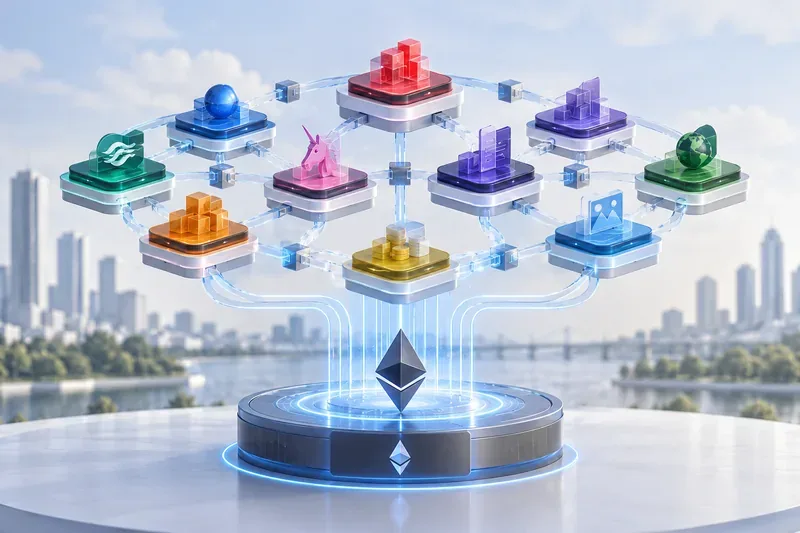
2026 年 Optimism 超級鏈指南:已驗證的採用指標、OP Stack 的權衡取捨,以及 Uniswap、Aerodrome、Velodrome、Aave 和 Morpho 如何滿足不同的需求。
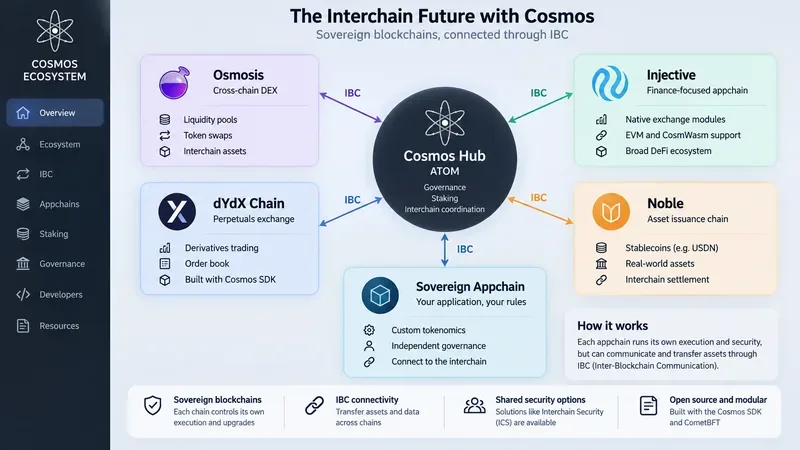
了解 Cosmos、ATOM、IBC 和 appchains 如何相互配合,以及如何判斷 Osmosis、dYdX Chain、Injective、Noble 和鏈間模型。
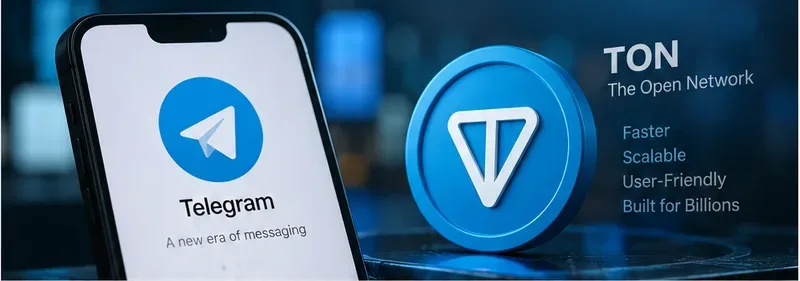
探索 TON 生態系統、Telegram 小程式、錢包、付款、DeFi 和風險——以及 2026 年 Toncoin 更名為 Telegram 的意義。
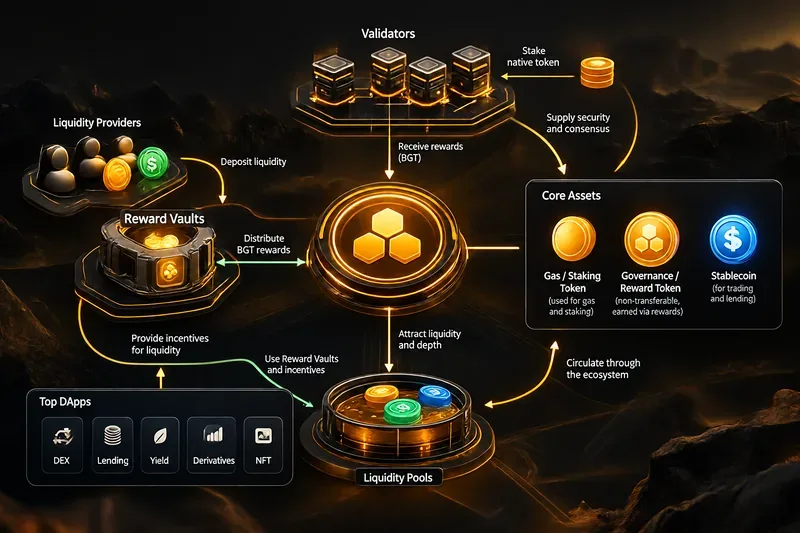
Explore Berachain’s Proof of Liquidity model, BERA, BGT, HONEY, Reward Vaults, and notable DApps including BEX, Bend, Infrared, Kodiak, Dolomite, and BeraBorrow.
Understand Mantle’s MNT-powered ecosystem, treasury structure, yield layers, L2 architecture, growth signals, and the risks investors should track in 2026.
對 Monad 的平行 EVM、生態系統吸引力、開發者權衡以及與以太坊、Sei 和 MegaETH 的比較進行 2026 年的實際評估。
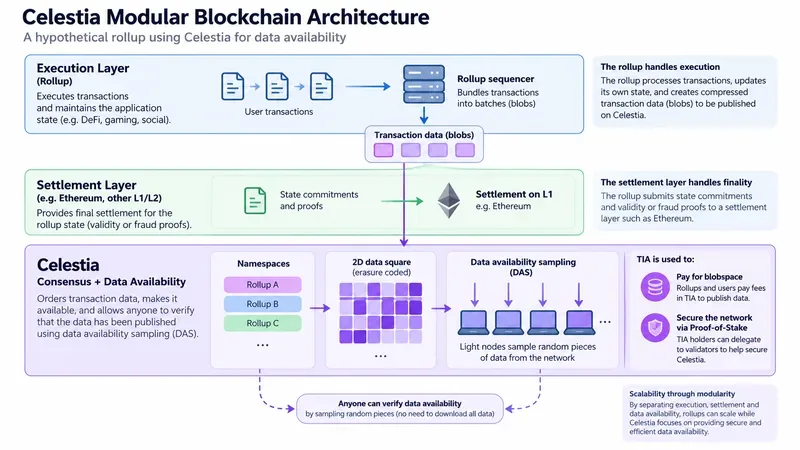
深入講解 Celestia 的實用技巧,包括模組化區塊鏈、數據可用性採樣、命名空間、Blobstream、TIA 實用性以及匯總所繼承的權衡取捨。
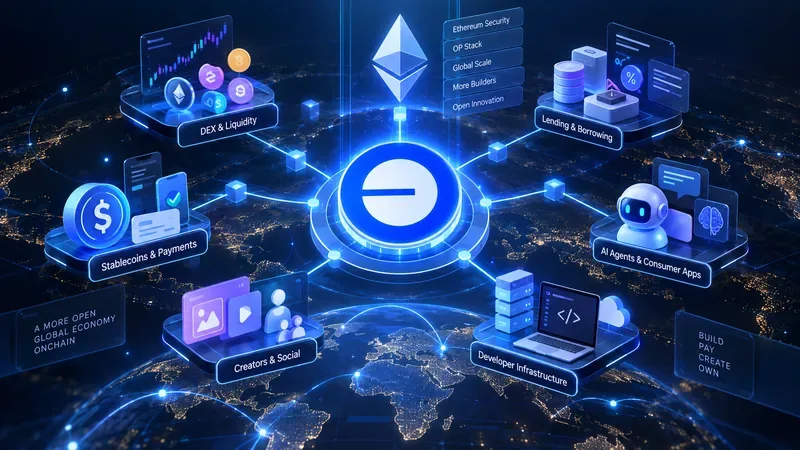
探索 2026 年的 Base 生態系統,從 Aerodrome 和 Morpho 到 Aave、Uniswap、Virtuals、Zora、Moonwell 和 x402 代理支付。
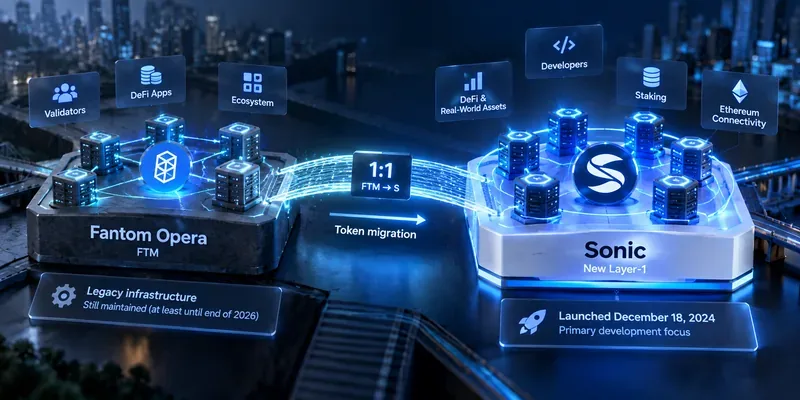
分析 Fantom 的 Sonic 過渡、FTM 到 S 的遷移、Sonic 的架構、代幣經濟學、開發者激勵、生態系統影響以及 2026 年仍然重要的風險。