分析代幣分發:如何識別潛在的內部錢包
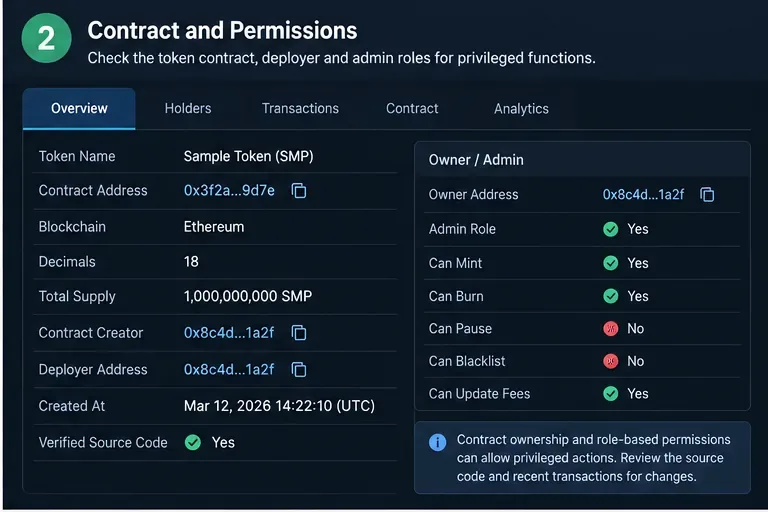
一個利用持有者集中度、部署者關係、資金模式、標籤和鏈上行為來識別潛在的與內部人員有關的加密錢包的實用框架。
Watching a crypto portfolio fall sharply can make a long-term plan feel irrelevant in a matter of hours. Prices flash red, social feeds fill with predictions, and the urge to “do something” can become stronger than the evidence for doing it. That is the psychological problem behind HODLing: surviving volatility is not simply a test of patience. It is a test of whether your decisions still match your goals, risk limits, and original investment thesis when stress is high.
HODLing is often described as holding crypto through market crashes instead of reacting to short-term price moves. The term itself came from a misspelling of “holding” in a December 2013 Bitcoin forum post titled “I AM HODLING” on Bitcointalk. What started as internet slang later became shorthand for long-term conviction. But the healthiest version of HODLing is not “never sell.” It is “do not let fear, excitement, or crowd behavior replace a decision process.”

What is verified: The original HODL post was about resisting emotional trading during a crash, not establishing a universal rule that every asset should be held forever. The crypto market also contains assets, platforms, and projects that can fail permanently. U.S. regulators continue to warn that crypto assets can be exceptionally volatile and speculative, and that investors can lose all of the money they put at risk. The SEC’s investor education site states that crypto investments may involve significant loss risk, while the CFTC advises people not to use money they cannot afford to lose.
What depends on circumstances: Whether holding makes sense depends on what you own, why you bought it, your time horizon, liquidity needs, taxes, custody setup, and whether the original thesis is still intact. A 30% decline caused by broad market panic is not the same as a 30% decline caused by a protocol exploit, insolvency, fraud allegation, token-unlock shock, or a broken product thesis.
What is not knowable in advance: Nobody can reliably know the exact bottom of a crash or the precise timing of a recovery. A strategy that assumes you will recognize both in real time is fragile.
Action: Write down three categories before the next crash: conditions that justify holding, conditions that require review, and conditions that require selling. Examples of review triggers include a security breach, a major change in token economics, loss of essential developers, an exchange delisting that destroys liquidity, or evidence that the investment thesis was simply wrong.
Behavioral finance has long documented that people do not evaluate gains and losses symmetrically. Kahneman and Tversky’s original 1979 prospect theory paper showed that decisions under risk depend strongly on whether outcomes are framed as gains or losses. This does not prove that every investor will panic during every crypto crash, but it helps explain why a portfolio loss can dominate attention and push people toward decisions they would not make in calmer conditions.
Another well-documented pattern is the disposition effect: investors can become reluctant to realize losses while being quicker to realize gains. Research summarized by the National Bureau of Economic Research describes this tendency in conventional financial markets. Crypto holders can face the same psychological trap from the opposite direction: refusing to sell a broken asset simply because selling would make the loss “real.”
Action: Stop using your purchase price as the only reference point. Ask a cleaner question: “If I held cash today, would I choose to buy this asset at its current price, given what I now know?” If the answer is no, investigate why.
What is verified: Controlled research shows that stress can influence financial decision-making, but the direction of the effect is not consistent across all studies. One experiment published in Psychological Science and archived by the U.S. National Library of Medicine found that acute stress amplified certain risk-taking biases. A later, larger study of 120 participants found no measurable effect of acute stress on risk attitudes, loss aversion, or choice consistency in its monetary decision task.
What depends on circumstances: Stress effects vary with the person, the type of stressor, the timing of the decision, the way choices are framed, and the task being measured. That is why it is too simplistic to say, “Stress always makes investors more risk-seeking” or “Stress always makes investors panic-sell.”
行動:將劇烈壓力視為放慢操作節奏的訊號,而非立即買入、賣出或持有的理由。如果您感到必須立即採取行動,除非有真正的操作風險,例如交易所凍結、錢包被盜或協議漏洞,否則請設定等待期。
這是加密貨幣領域最危險的誤解之一。市場歷史既有大幅反彈的資產,也有從未恢復到先前高點甚至停止營運的代幣、平台和項目。美國證券交易委員會(SEC)發布的加密資產投資者警告指出,風險包括波動性、流動性不足、平台故障、破產、駭客攻擊,以及加密資產市場可能消失。
長期持有隻有在標的資產保持價值的情況下才有效。時間無法彌補詐欺、資產過時、災難性稀釋、需求永久性喪失或託管不便等問題。
行動:將價格下跌與投資理念失敗區分開來。定期(長期持倉每月或每季)審查基本面,而不是僅在價格暴跌時才進行審查。對於加密資產而言,相關問題可能包括:網路是否仍在按預期運行,其使用和開發是否仍然可信,代幣供應機制是否發生變化,以及您是否仍然理解該資產的價值來源。
最有效的心理工具是預先設定規則:在冷靜時制定重要的規則,然後在情緒波動時運用這些規則。監管機構也提出了類似的觀點。 FINRA針對動盪市場發布的指導意見強調,應明確財務目標,並專注於整體財務狀況,而不是僅對市場波動做出反應。
| 決定 | 崩潰前定義 | 為什麼這很重要 |
|---|---|---|
| 最大加密貨幣分配 | 您願意將可投資組合中最大的加密貨幣比例是多少? | 防止信念演變為不受控制的專注 |
| 緊急流動性 | 加密貨幣投資組合以外的近期開支所需現金 | 降低因股市崩盤而被迫出售股票以支付帳單的可能性 |
| 審查觸發 | 促使重新檢視論文的事件 | 防止「持有」成為忽視新證據的藉口 |
| 退出觸發器 | 在哪些情況下,該職位不再符合您的計畫? | 使銷售成為一項基於規則而非情感的決定。 |
| 再平衡規則 | 目標分配恢復頻率如何? | 創造了一種可重複的方法來減少或增加曝光 |
行動:將這些規則寫下來。僅僅存在於你腦海中的計劃,在遭受40%的資金回撤後更容易修改。
許多投資人專注於增強心理承受能力,卻忽略了降低風險才是更簡單的解決方案。如果50%的跌幅會讓你失眠、錯過還款,甚至放棄投資策略,那麼無論你信心多麼堅定,目前的部位可能都太大了。
美國證券交易委員會(SEC)發布的2024年科技與數位金融簡報建議投資者考慮其長期投資計劃,以及是否應該將投資組合中的風險較高的加密貨幣投資配置多少比例。這提醒我們:情緒韌性在某種程度上取決於投資組合的建構。
行動:對您的資產配置進行壓力測試。估算一下,如果加密貨幣部分下跌 50%、70% 或 90%,您的總淨資產會發生什麼變化。如果結果會威脅到您的重要目標,請在市場迫使您做出決定之前降低風險。
掌握更多資訊並不總是意味著擁有更多控制權。頻繁查看波動性較大的資產會增加你面臨的情緒決策點。長期持有者如果每五分鐘就查看一次圖表,實際上就是將長期策略暴露在短期波動的影響下數千次。
但這並不意味著「完全忽略」。加密貨幣存在一些需要關注的營運風險,包括託管失敗、駭客攻擊、詐騙和平台破產。 2025年12月,美國證券交易委員會(SEC)發布了一份更新的零售投資者公告,闡述了加密貨幣託管的運作機制,解釋了錢包如何透過私鑰控制存取權限,並概述了不同託管方式的優缺點。
措施:將價格監控與風險監控分開。您可能不需要每小時的價格提醒,但您可能仍需要交易所提現、安全事件、治理變更或重大協議公告的提醒。
美元成本平均法是指無論市場波動如何,都會定期投入等額資金。 Investor.gov將這種策略定義為一種穩定的投資模式,即價格低時買入更多份額,價格高時買入更少份額。
已驗證的內容:此方法減少了選擇完美切入點的必要性。
具體情況具體分析:對於擁有未來現金流並希望進行機械式累積的投資者來說,這可能會有所幫助。但如果該資產不再適合現有投資組合,或增加投資會超出您的風險承受能力,則可能並不合適。
它不能做到的是:它不能保證獲利,不能防止永久性損失,也不能糾正錯誤的投資理念。
行動:如果您採用美元成本平均法,請將其與配置上限和投資邏輯回顧結合。 「每月買入」絕不意味著「無論情況如何變化都買入」。
當市場快速下跌時,社群媒體會造成兩種截然相反的壓力:一是悲觀貼文引發的恐慌,二是激進的「逢低買進」策略導致的錯失反彈的恐懼。這兩種壓力都不能取代投資者自身的判斷。美國商品期貨交易委員會(CFTC)特別警告投資者,不要僅憑單一資訊(尤其是來自社群媒體的資訊)就購買數位貨幣或代幣。
行動:在能夠以書面形式回答所有六個問題之前,不要做出重大的投資組合決策。
成功的持倉策略並非以價格是否立即反彈來衡量,因為價格反彈的結果部分不受你控制。更好的自我檢驗方法是看你的行為是否始終遵循合理的策略。
在經歷一次大規模拋售之後,請重新審視以下問題:
如果你對以上大多數問題的答案都是肯定的,那麼即使市場行情依然糟糕,你的交易策略也會變得更有韌性。如果你在市場崩盤期間屢次違反自己的規則,那麼答案可能並非“更加自律”,而是應該簡化投資組合、減少持倉規模、設置自動繳款、限制通知次數,或者減少持有的加密貨幣數量。
持有策略中蘊含著一個有益的理念:短期恐懼不應凌駕於長期計畫之上。但這種理念也存在著一種危險的變體:將每一次損失視為暫時的,將每一次批評視為噪音,將每一次出售視為弱點。
較持久的策略是條件性信念。當投資邏輯仍然成立、風險仍然符合你的承受能力、且資產仍然符合你設定的標準時,就持有。當事實發生變化時,重新評估。當預先設定的退出理由得到滿足時,賣出。而當唯一的新資訊是價格下跌時,要給你的決策過程足夠的時間,將不適感與確鑿的證據區分開來。
本文僅供教育用途,不構成任何個人投資建議。加密資產波動性極大,可能有全部損失的風險。
一個利用持有者集中度、部署者關係、資金模式、標籤和鏈上行為來識別潛在的與內部人員有關的加密錢包的實用框架。
學習如何在風險預算、代幣盡職調查、錢包安全、謹慎執行、退出規則和稅務記錄的框架下交易模因幣。
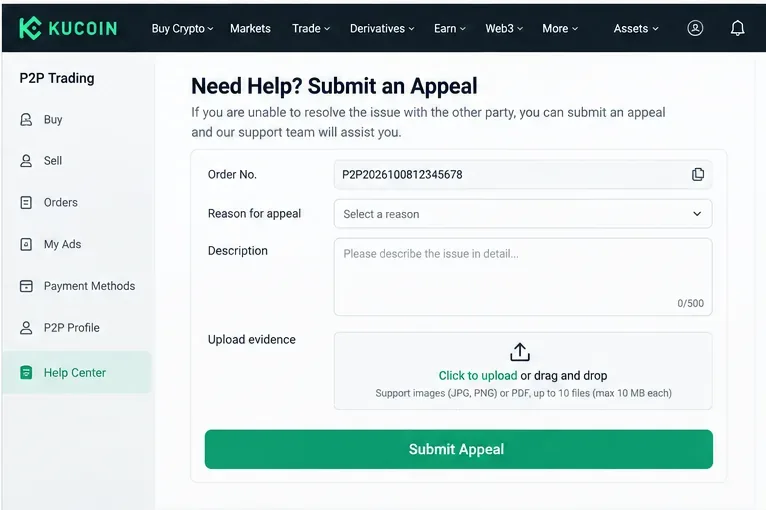
學習如何使用 KuCoin P2P 買賣加密貨幣、驗證付款、選擇報價、避免常見騙局以及安全地處理糾紛。
了解什麼是加密貨幣空投、資格規則如何運作、應該避免哪些誤解,以及如何在不冒錢包風險的情況下抓住重大機會。
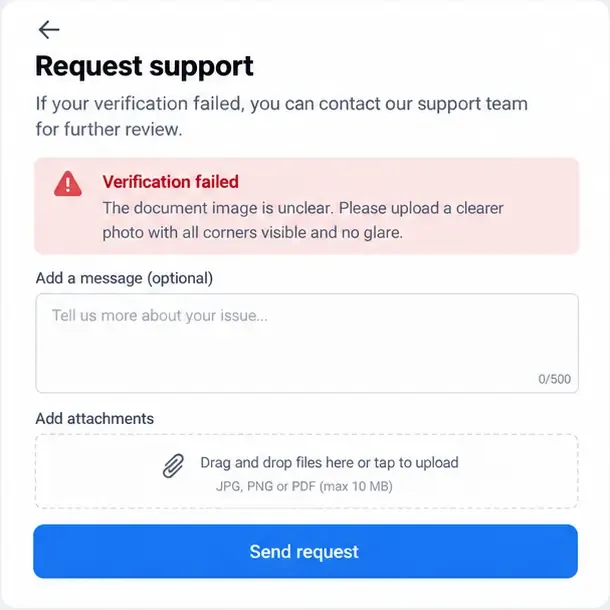
了解如何透過修正文件、自拍、資料不符和帳戶問題來解決幣安、Bybit 和 OKX 上的 KYC 驗證失敗問題。
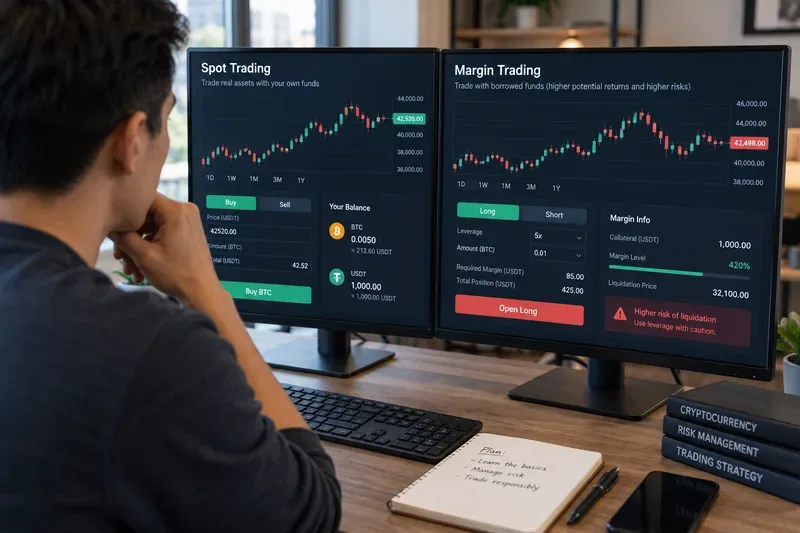
了解加密貨幣現貨交易和保證金交易的區別,包括所有權、槓桿、清算風險、成本、訂單類型和新手風險檢查。
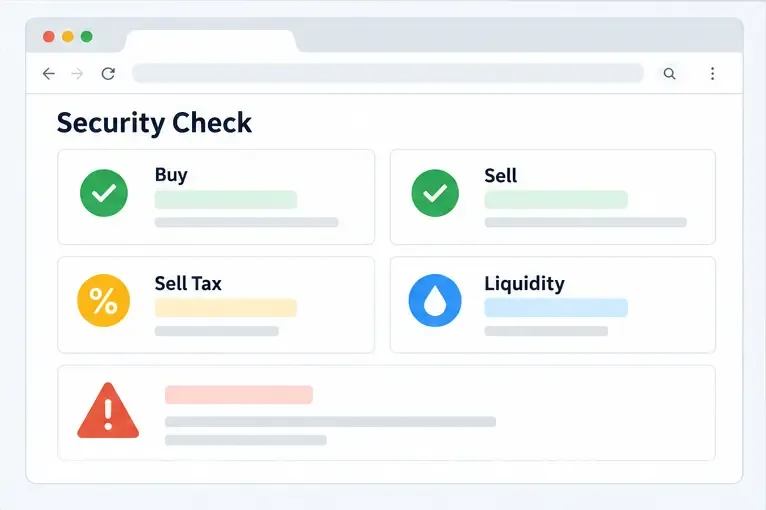
了解蜜罐加密貨幣騙局如何阻止代幣銷售,如何在投入資金之前檢查銷售模擬、稅收、流動性和合約控制。
了解拉高出貨騙局的運作方式、需要注意的警告信號,以及保護您的資金免受操縱的股票和加密資產侵害的實用步驟。
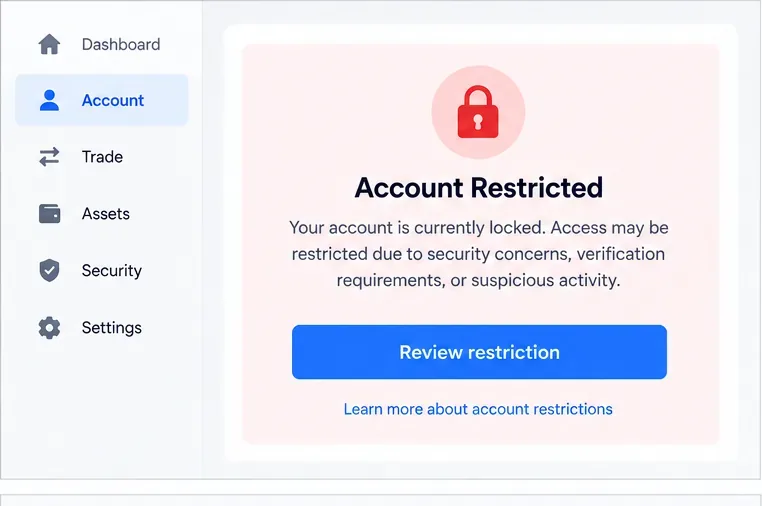
學習如何安全地恢復被鎖定的加密貨幣交易所帳戶、準備驗證文件、完成安全檢查、避免詐騙以及應對審核延遲。
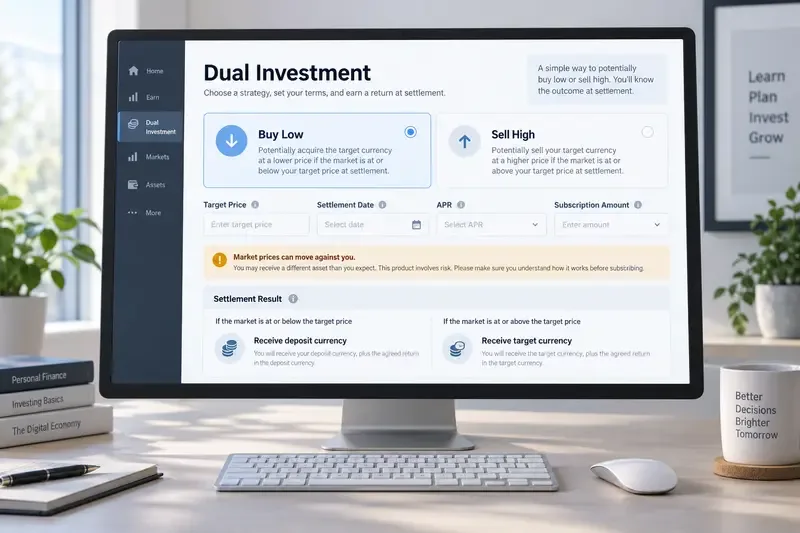
了解幣安雙重投資的運作方式,包括低買高賣、結算、年利率、流動性限制、市場風險和自動複利。