Home
» News
»
October 2026 Token Unlock Calendar: Verify Supply Events at the Source
October 2026 Token Unlock Calendar: Verify Supply Events at the Source
As of September 29, 2026, a notable October token-unlock entry has changed: 0G says its team and early-backer first unlock has moved from October 22, 2026, to October 22, 2027. The project says these allocations represent 44% of supply, vesting will run for 24 months rather than 36, and the end date remains September 2029. The allocation itself is unchanged. Anyone looking at an older calendar could therefore treat an outdated date as current. The official 0G company update is the source for this change.
That update is useful, but it is not a complete October 2026 unlock calendar for every token. A reliable watchlist has to identify which source is current, what event the date actually describes, and whether the stated amount is scheduled to enter circulation. Use the checks below to build that record before trading. They verify supply information; they do not predict price direction or prove that recipients will sell.
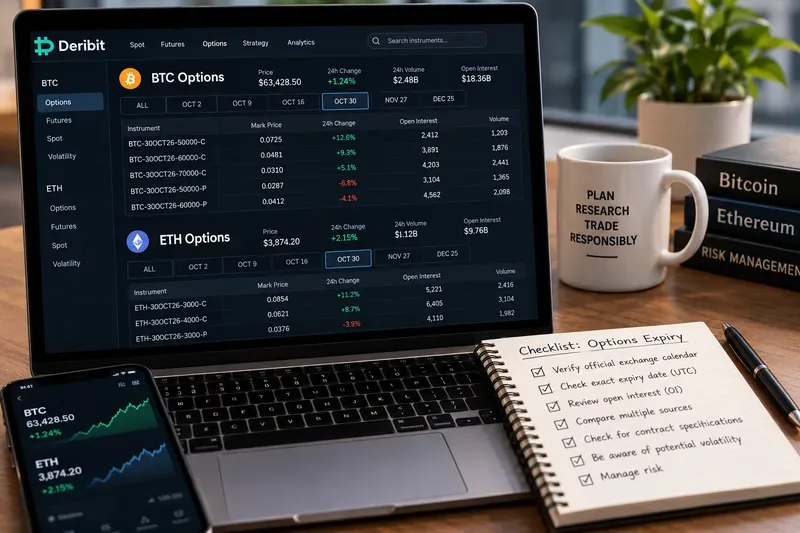
A desk with a data screen, calendar, notes, and token-allocation papers, representing the source checks behind an unlock watchlist.
October 2026 supply-event watchlist: what is verified
Project or data
What a primary source establishes
How to treat it for October
0G team and early backers
The official update moves the first unlock from October 22, 2026, to October 22, 2027. It says the combined buckets are 44% of supply, vest over 24 months, and still finish in September 2029.
Do not list October 22, 2026, as the current date for these buckets. This change does not establish that every other 0G allocation has no October activity.
SUI circulating-supply schedule
Sui describes future releases as periodic estimates tied to Foundation deployment and publishes circulation data, including an all-recorded-months API.
Read the latest official schedule and API together. A month-end circulation estimate is not, by itself, proof of one fixed October cliff or a particular recipient’s transfer.
OP Year 5 outlook
An August 2026 Collective budget update gives directional estimates for additional OP entering circulation from May 2026 through April 2027 and says projections can be adjusted.
This is a fiscal-year outlook, not an October-specific unlock date or amount. Do not divide a yearly estimate evenly across months unless the source says to do so.
Sui’s official token schedule and circulation page says release timing is periodic and its chart is an estimate; it also links APIs for current-month and historical circulation. Optimism’s Year 5 budget outlook is explicitly directional and covers May 2026 through April 2027. These are useful primary references, but neither should be presented as an exact October cliff calendar.
What “unlock” can mean—and what it does not prove
Calendar entries often compress several separate events into one word. A vesting condition may expire; a contract may make tokens claimable; an administrator may release tokens; a wallet may receive them; a project may count them as circulating; and a holder may later transfer them to an exchange or sell. Those are different steps. A published date usually tells you about a schedule, not the timing of a trade.
A cliff typically describes a tranche becoming eligible at a particular point. A linear or monthly vesting schedule releases amounts over time or at repeated intervals. Even a contract release is not automatically equivalent to new public float: tokens can remain subject to restrictions, be held by a treasury, or be allocated through programs. The project’s own definition of circulating supply may differ from a market-data provider’s definition.
A primary-source method for checking an October event
1. Match the asset and network
Start with the project’s official documentation or governance forum, not a ticker-only search. Confirm the token contract or native asset, the chain, and the allocation bucket. Similar symbols, wrapped assets, and bridged versions can lead to duplicate or incorrect entries. Save the URL and the date you checked it.
2. Find the latest schedule and any superseding decision
Read the tokenomics page, vesting documentation, foundation report, or approved governance proposal. Then look for later official announcements that revise it. The 0G update is a practical example: the older October 2026 date is superseded by the project’s newer statement. If the documents disagree and no newer controlling source resolves the conflict, mark the entry “unconfirmed” instead of choosing the more precise-looking number.
3. Trace the schedule to the contract when possible
Use an address published by the project to reach the relevant explorer or contract documentation. Check that the chain and address match, and examine the vesting start, cliff, release function, claimed amount, and remaining balance. Do not infer an unlock solely from a transfer, a wallet label, or a token name. If the project does not publish the contract or an independently inspectable schedule, say that the date is documented by the project but not independently verified on-chain.
4. Separate scheduled tokens from circulating-supply change
Record the event amount, recipient category, and expected date separately from the circulating-supply figure. If a source publishes month-end circulation, calculate the change between comparable month-end values only after checking that the API’s units, date labels, and definition are consistent. Do not label that difference an exact release on a particular day unless a source supplies that detail.
5. Recheck near the event and define a stop condition
Schedules can change, data feeds can lag, and governance or treasury decisions can alter the expected flow. Recheck the official page and on-chain evidence near the date. If the date, amount, contract balance, and project-reported circulation do not reconcile, remove the precise figure from the trade thesis until the discrepancy is resolved. A useful record includes the source timestamp, the assumptions used, and what evidence would invalidate the entry.
How to judge whether a calendar entry is decision-useful
A strong entry is specific about the date or date range, token amount, allocation bucket, source version, and type of event. It states whether the amount is confirmed, estimated, or calculated. It distinguishes a scheduled unlock from a transfer or reported supply increase, and it links to the document or contract that supports the claim. These details let a trader audit the entry later instead of relying on a bare percentage.
Be careful with “percent of circulating supply” headlines. The percentage depends on the denominator and on how the source defines circulating supply. A large allocation may be released gradually, while a smaller release can matter more if recipients have few restrictions or the market is thin. Compare the proposed flow with current float, liquidity, known vesting terms, and recipient purpose, but treat each comparison as context rather than a mechanical price signal.
Limits of the method
Primary sources improve provenance; they do not guarantee completeness. A project may update a schedule after publication, a public dashboard may lag, and some contracts or recipient wallets may not be disclosed. A verified unlock does not establish that tokens will be sold, how quickly they may be sold, or how the market has priced the event. Conversely, the absence of a confirmed October entry is not proof that no supply will move.
For October 2026, the practical result is clear: remove the superseded October 22 0G team/backer date, and avoid turning SUI’s adjustable circulation estimate or OP’s fiscal-year budget projection into a dated monthly unlock. For any other token, keep the entry provisional until the project’s current source and, where available, the corresponding contract evidence agree. The calendar is a research aid—not a trade signal.