The Ultimate Guide to Trading Meme Coins Safely and Profitably

Learn how to trade meme coins with a risk budget, token due diligence, wallet security, careful execution, exit rules, and tax records.
A meme coin can move from obscure to viral in a few hours. That speed creates a practical problem: by the time a social post, group chat, or influencer thread reaches you, the price may already reflect the excitement—and the trade may be difficult to exit at the displayed quote. The safest response is not to find a magic indicator. It is to ask a sequence of decision questions, collect evidence, and stop when the evidence is incomplete.
This guide explains a risk-controlled process for trading meme coins. “Profitably” does not mean guaranteed profit: no checklist can remove market, contract, custody, execution, or regulatory risk. It means treating a trade as successful only when the possible loss was defined in advance, the token and venue were independently checked, the order was executed as intended, and the result was recorded honestly. The information below is educational, not individualized investment, legal, or tax advice. It was reviewed on September 16, 2026; platform screens, fees, and rules can change.
Before connecting a wallet or sending funds, you should be able to answer these questions without relying on a single social post:
| Question | Evidence to inspect | Stop condition |
|---|---|---|
| What exactly is the asset? | Correct chain, contract address, symbol, and an independent block-explorer record | You cannot distinguish the token from similarly named copies |
| Can I afford the worst case? | A written position size and maximum loss that do not threaten bills, debt payments, or emergency savings | You would need leverage, borrowed money, or a second deposit to continue |
| Can I exit? | Visible trading activity, usable liquidity, and a small test order that behaves as expected | The quote changes sharply, the route is unclear, or selling is blocked |
| Who controls the risk? | Contract permissions, concentration clues, launch history, and the venue’s custody model | Unexplained admin powers, extreme holder concentration, or an unverifiable promoter |
| What will make me leave? | Written entry, invalidation, exit, and time rules | Your only plan is to wait for a higher price |
There is no universally safe meme coin. The U.S. Securities and Exchange Commission’s February 27, 2025 staff statement says certain meme coins are typically bought for entertainment, social, or cultural purposes, with value driven mainly by market demand and speculation and with limited or no functionality. The statement is staff guidance about certain facts, not a blanket legal classification for every token or transaction. Fraudulent conduct can still lead to enforcement or prosecution, and the legal analysis depends on the facts.
That distinction matters because a meme coin can be culturally popular and still be a poor trade. Read the SEC staff statement on meme coins for the scope and limitations of that view. Separately, FINRA warns that crypto assets can be exceptionally risky and volatile, may be less liquid than traditional investments, and can lose value dramatically or unpredictably. Treat “safe” as a relative operating standard: limited exposure, verified information, protected keys, and an exit that you can actually execute.
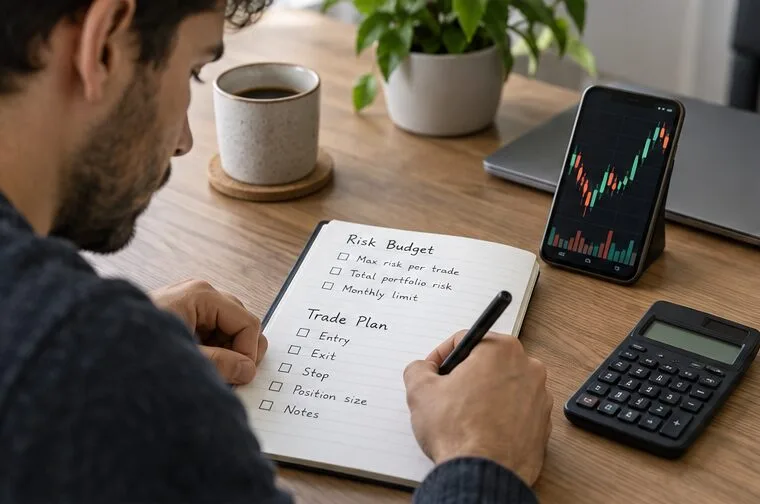
Answer this before researching a ticker. Meme-coin prices can fall far faster than a cautious trader can react. A total loss is not the only bad outcome: you may also face a large price impact when selling, network fees, a frozen exchange account, a compromised wallet, or a tax bill after a profitable sale.
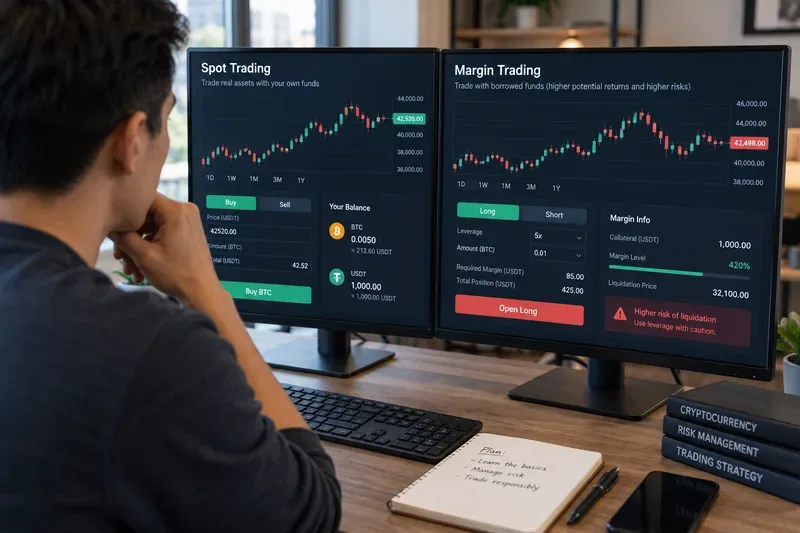
Write down a maximum amount for the entire speculative category and a smaller maximum for one trade. Keep that money separate from rent, food, insurance, debt payments, tuition, emergency savings, and long-term goals. Do not use margin or borrow to chase a coin. Leverage turns an already volatile asset into a position that can force a sale at the worst moment.
A simple sizing example is deliberately conservative. If your approved speculative budget is $500 and you decide that one trade may risk no more than 10% of that budget, the planned risk is $50. That is not a promise that a stop will fill at exactly the chosen price; slippage, gaps, liquidity changes, and transaction costs can make the realized loss larger. If a position cannot be sized small enough to tolerate that uncertainty, skip it.
Names and symbols are not unique. A scammer can copy a popular meme, create a token with the same ticker, and promote a different contract. Start with the official project account or documentation only as a lead, then verify the contract address on the intended chain through an independent block explorer and the trading venue. Never copy an address from a reply, unsolicited direct message, or an advertisement.
Check the chain before sending funds. A token on one network is not automatically the same asset on another network, and a bridge adds another layer of smart-contract and operational risk. Confirm that your wallet, the exchange, the network, and the token contract all match. Send a small test amount only if you understand the network and can afford the fee; a test transfer confirms routing, not the honesty of the token.
Liquidity is the practical question behind “Can I exit?” A chart may show a large percentage gain while the pool or order book is too thin for your size. Look at recent trading activity, the depth available near the quoted price, the spread, the displayed price impact, and whether sells are occurring—not only buys. A high volume number by itself does not prove that liquidity is genuine or durable.
For a decentralized exchange, review the swap route, minimum received, network fee, and slippage setting. Ethereum.org explains that a transaction requires a fee and that gas costs can rise when demand is high or when a transaction performs more complex work. Its MEV documentation also explains that sandwich trading can increase slippage and worsen execution for users. These are execution risks, not evidence that a particular token is fraudulent.
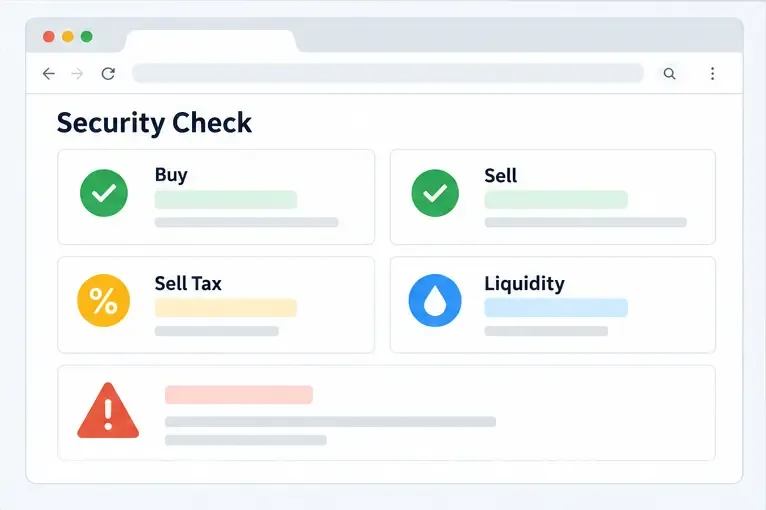
Change your approach when the sale simulation is unclear, the quote changes dramatically for a small amount, or a contract appears to restrict selling. Do not “solve” an exit problem by raising slippage to an extreme setting. A higher tolerance may make a transaction more likely to execute, but it can also accept a much worse price. If you cannot explain the trade-off, do not submit the order.
Contract review is useful but limited. A verified source code page can make functions easier to read, yet verification does not certify safety. If you can, inspect whether the contract includes owner-only powers such as changing fees, pausing transfers, blacklisting addresses, minting more tokens, changing a trading pair, or moving funds. Ask who controls those powers, whether they are renounced, governed, time-locked, or still active. “Renounced” is not a complete safety guarantee; other contracts, wallets, or liquidity arrangements may still create risk.
Review holder concentration and liquidity-provider arrangements. A small number of wallets holding most of the supply can create a sharp exit risk even when the chart looks healthy. Locked liquidity can reduce one risk for a stated period, but it does not guarantee honest code, fair distribution, or future demand. If you cannot independently verify a claim, label it unverified and treat it as a reason to pass.
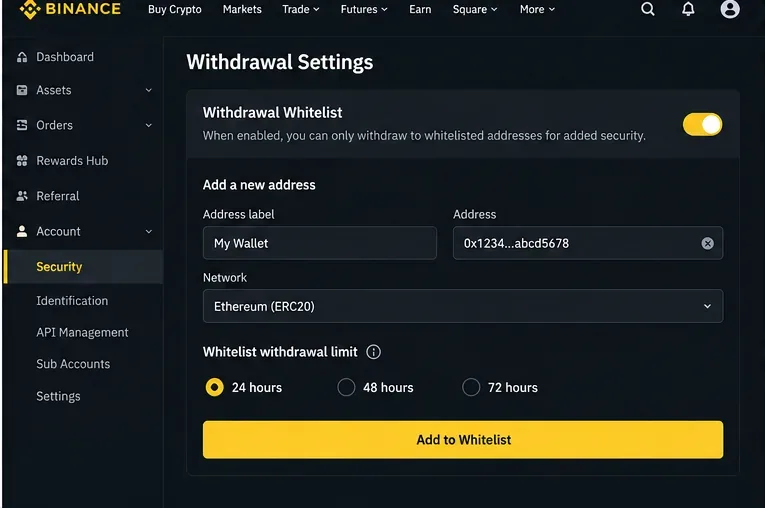
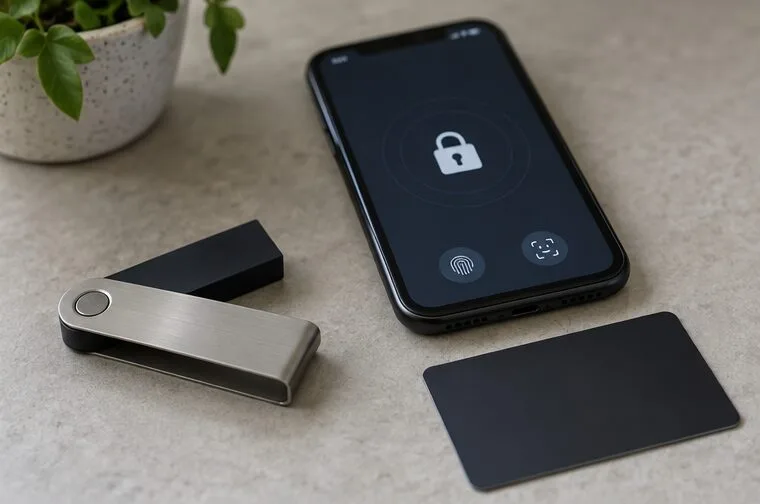
Separate trading funds from savings when possible. Use a dedicated hot wallet for small experimental amounts, keep larger balances in a custody setup you understand, and enable strong account security on any centralized venue. Do not connect a valuable wallet to a website just because a social account posted a link.
Never share a seed phrase, Secret Recovery Phrase, private key, password, or one-time code. MetaMask’s official security guidance states that anyone with a Secret Recovery Phrase or private key can control the associated assets and that support will not ask for it. The same principle applies to other self-custody wallets. If you signed an unfamiliar approval, revoke or limit permissions using a trusted tool for the correct network, then move remaining assets to a fresh wallet if compromise is plausible. Changing a website password will not repair a leaked private key.
Social attention can be a discovery signal, but it is not proof of value, liquidity, or a sustainable market. The CFTC specifically warns customers not to purchase virtual currencies, digital coins, or tokens based on social-media tips or sudden price spikes, and recommends researching the asset and the entities behind it. Review the CFTC pump-and-dump advisory before treating viral activity as a reason to trade.
Use a two-source rule for important claims. For example, confirm the contract address from the project’s own published channel and from a block explorer; confirm a venue’s stated fee in its current documentation and in the order preview; confirm a reported partnership from the partner’s own site. Reject guarantees, “inside information,” urgency, screenshots of profits, and claims that you can recover losses by paying another fee. The FTC says promises of guaranteed profits or big returns are scam red flags. Read the FTC’s cryptocurrency scam guidance for additional warning signs.
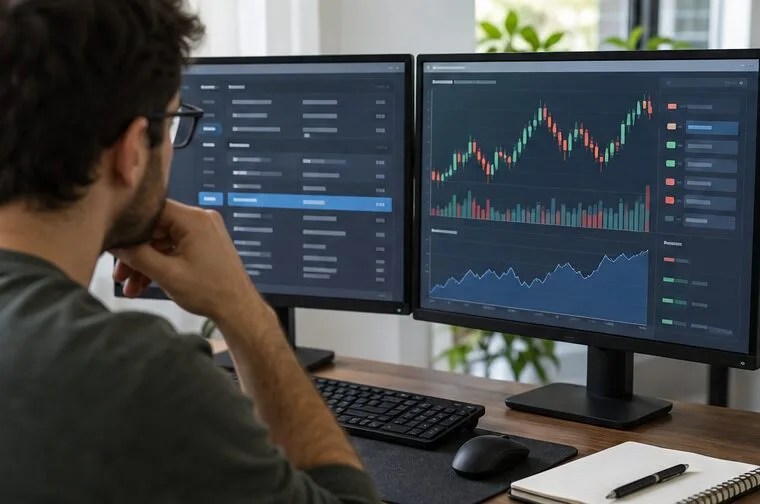
Keep it short enough to follow during volatility. Record the contract address, chain, venue, reason for entry, position size, maximum acceptable loss, invalidation point, profit-taking rule, maximum holding time, and the exact condition that cancels the trade. Add a rule for what happens if the app, RPC provider, exchange, or network becomes unavailable.
Use limit orders or smaller increments when the venue supports them and when you understand their behavior. Market orders can fill across multiple price levels in a thin market. A stop instruction is not a guarantee: some venues do not support the same order types, and a fast market may fill below the intended trigger. For a decentralized swap, the transaction is governed by the contract call and your settings, so review the confirmation screen carefully.
Do not add to a losing meme-coin position simply to lower the average entry price. Adding capital changes the size of the risk and requires a new thesis. If the original reason for entry is invalid, closing or staying out is a valid result.
Use these stop rules:
If you believe you were defrauded, preserve transaction hashes, wallet addresses, URLs, screenshots, and communication records. Do not pay a second person who promises guaranteed recovery; the FBI warns that recovery offers can be another scam. Use the FBI’s cryptocurrency scam-victim guidance and report through the Internet Crime Complaint Center when appropriate.
Check the result in three places, in this order: the wallet or exchange balance, the venue’s order or transaction history, and the independent block explorer for the correct chain. Confirm the transaction hash, token amount, fee, final status, and destination address. A wallet interface can lag or display a token with a misleading symbol; the explorer record helps confirm what was actually included on-chain.
Then reconcile the result in your records. Log the timestamp, local-currency value, fees, network, contract address, execution price, and whether the trade followed the plan. The IRS treats digital assets as a tax-reporting topic and its current digital-asset guidance asks taxpayers to report applicable sales, exchanges, and other dispositions. Tax treatment varies by situation and jurisdiction, so use the IRS digital-assets page and consult a qualified tax professional for your facts.
If one answer is “no,” the correct next action is usually more research or no trade—not a larger position. A meme coin can produce a favorable outcome, but a repeatable process is measured by controlled exposure, honest records, and the ability to walk away when the evidence or execution is not good enough.
Learn how to trade meme coins with a risk budget, token due diligence, wallet security, careful execution, exit rules, and tax records.
Learn how to use KuCoin P2P to buy and sell crypto, verify payments, choose offers, avoid common scams, and handle disputes safely.
Learn what crypto airdrops are, how eligibility rules work, which myths to avoid, and how to pursue major opportunities without risking your wallet.
Learn how to fix KYC verification failures on Binance, Bybit, and OKX by correcting document, selfie, data mismatch, and account issues.
Learn how spot trading and margin trading differ in crypto, including ownership, leverage, liquidation risk, costs, order types, and beginner risk checks.
Learn how honeypot crypto scams block token sales, how to check sell simulations, taxes, liquidity, and contract controls before risking funds.
Learn how pump-and-dump schemes work, the warning signs to watch for, and practical steps to protect your capital from manipulated stocks and crypto assets.
Learn how to recover a locked crypto exchange account safely, prepare verification documents, complete security checks, avoid scams, and handle review delays.
Learn how Binance Dual Investment works, including Buy Low, Sell High, settlement, APR, liquidity limits, market risk, and Auto-Compound.
Learn why Binance withdrawals may be suspended, how to identify account or network restrictions, and the safest steps to restore access or retry.