Knowledge | Page 2

Market Order vs. Limit Order in a Fast Market: Fill Certainty, Slippage, and Queue Priority

Market Order vs. Limit Order in a Fast Market: Fill Certainty, Slippage, and Queue Priority

Compare market and limit orders in fast markets. Learn how fill likelihood, slippage, price limits, and queue priority affect execution—and what to check before trading.


Volume Profile Value Area: What VAH, VAL, and Point of Control Actually Mean

Volume Profile Value Area: What VAH, VAL, and Point of Control Actually Mean

Understand how volume profile defines the value area, VAH, VAL, and POC, what these levels can reveal, and why settings and data sources change the reading.

Beta vs. Correlation: Why Two Assets Can Move Together but Carry Different Risk

Beta vs. Correlation: Why Two Assets Can Move Together but Carry Different Risk

Learn how correlation and beta differ, why assets with the same correlation can have different market sensitivity, and what each measure leaves out.

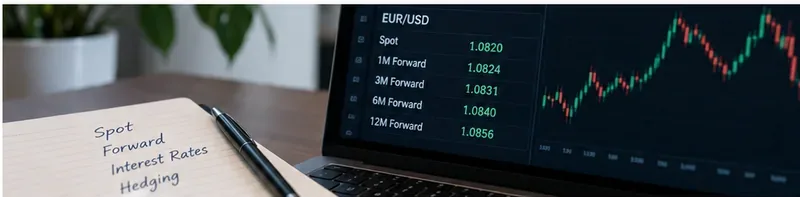
FX Forward Points Explained: Why They Are Not a Forecast of the Future Spot Price

FX Forward Points Explained: Why They Are Not a Forecast of the Future Spot Price

Learn what FX forward points are, how interest-rate differentials and cross-currency basis shape them, and why a forward rate is a hedge price—not a spot forecast.

Currency Carry Trade Return: How to Calculate Interest, Spot Moves, and Financing Costs

Currency Carry Trade Return: How to Calculate Interest, Spot Moves, and Financing Costs

Learn how to calculate currency carry trade returns by combining interest income, exchange-rate movement, rollover financing, spreads, and commissions in a worked example.

Nominal Yield vs. Real Yield: Which Matters More for Gold and Growth Stocks?

Nominal Yield vs. Real Yield: Which Matters More for Gold and Growth Stocks?

Learn how nominal and real Treasury yields differ, why real yields often matter more for gold, and how both rates affect growth stock valuations.

Bond Duration for Beginners: Estimate the Price Effect of a 1-Point Yield Move

Bond Duration for Beginners: Estimate the Price Effect of a 1-Point Yield Move

Use modified duration to estimate how a 1 percentage-point yield move may change a bond or fund’s price, convert the result to dollars, and check the limits.

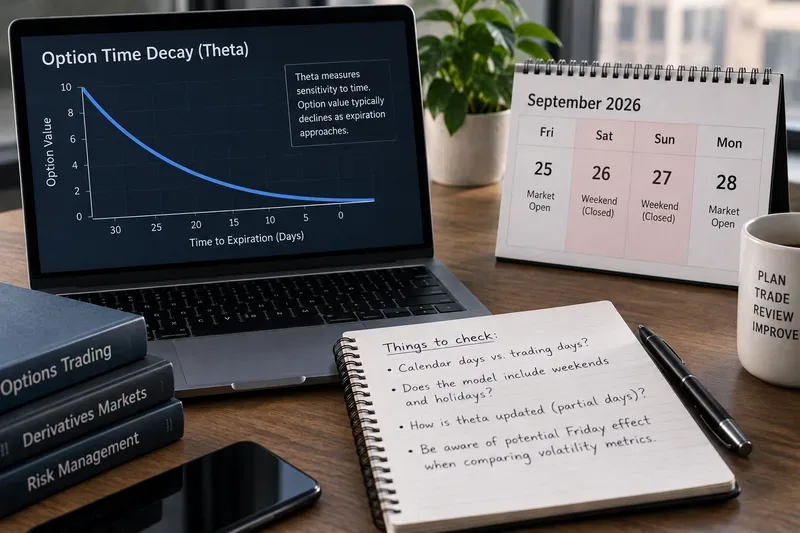
Theta Decay Over Weekends: When Options Models Price Non-Trading Days

Theta Decay Over Weekends: When Options Models Price Non-Trading Days

Weekend theta is not always a simple three-day deduction. Learn how calendar-day, trading-day, and hybrid options models treat non-trading days and how to check your platform.

What Is a 25-Delta Risk Reversal? A Practical Guide to Currency-Option Skew

What Is a 25-Delta Risk Reversal? A Practical Guide to Currency-Option Skew

Learn what a 25-delta risk reversal measures, how to read its sign in FX options, and when it helps compare currency-market sentiment, hedging costs, and volatility skew.

Open Interest Rising While Price Falls: Four Interpretations and How to Test Them

Open Interest Rising While Price Falls: Four Interpretations and How to Test Them

Rising open interest during a price decline can reflect new short exposure, new longs, hedging, or measurement effects. Learn four interpretations and the checks that help separate them.

Options Implied Volatility vs. Historical Volatility: A Practical Comparison

Options Implied Volatility vs. Historical Volatility: A Practical Comparison

Compare options implied volatility with historical volatility using a clearly labeled example, a matched-horizon calculation, and practical checks for interpreting the gap.

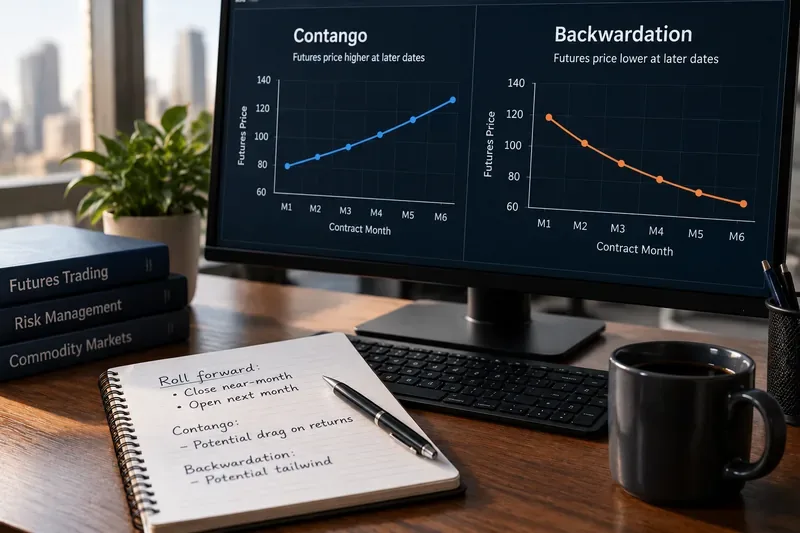
Futures Contango and Backwardation: How Roll Yield Can Help or Hurt a Long-Term Position

Futures Contango and Backwardation: How Roll Yield Can Help or Hurt a Long-Term Position

Learn how contango, backwardation, and contract rolls affect long-term futures returns, with simple examples, a roll-yield check, and practical warning signs.

Liquidation Price vs. Bankruptcy Price: What Crypto Futures Traders Miss

Liquidation Price vs. Bankruptcy Price: What Crypto Futures Traders Miss

Learn how liquidation and bankruptcy prices differ in crypto futures, why mark price and margin mode matter, and how to check your actual risk before a trade.

Perpetual Futures Funding Rates: Who Pays, Who Gets Paid, and When

Perpetual Futures Funding Rates: Who Pays, Who Gets Paid, and When

Understand who pays perpetual futures funding, when exchanges charge it, how position size affects the amount, and why settlement schedules differ by contract.

Risk of Ruin for Traders: A Simple Calculation Using Win Rate and Payoff Ratio

Risk of Ruin for Traders: A Simple Calculation Using Win Rate and Payoff Ratio

Learn how to estimate trading risk of ruin from win rate, payoff ratio, position size, and a drawdown threshold, with formulas, examples, limits, and stress tests.

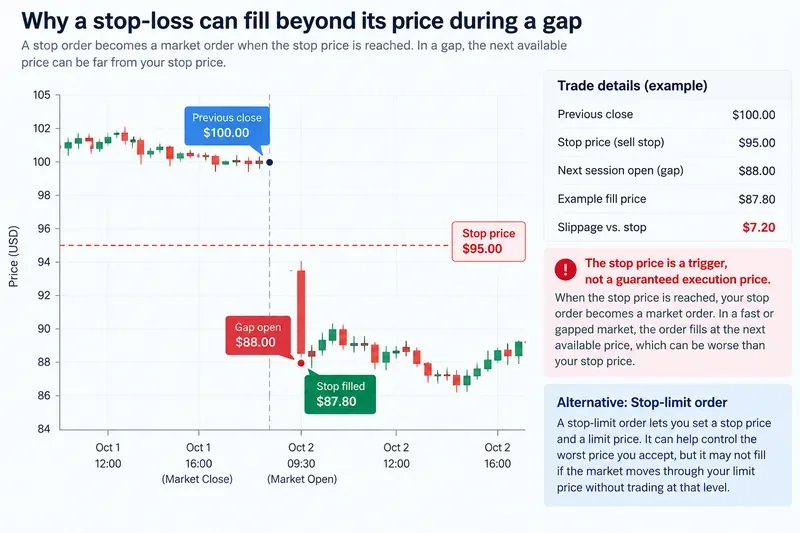
Why a Stop-Loss Can Fill Beyond Its Price During a Gap—and How to Estimate the Risk

Why a Stop-Loss Can Fill Beyond Its Price During a Gap—and How to Estimate the Risk

Learn why stop-loss orders can execute below the stop price during a gap, how to estimate gap risk from historical data, and when stop-limit orders change the trade-off.

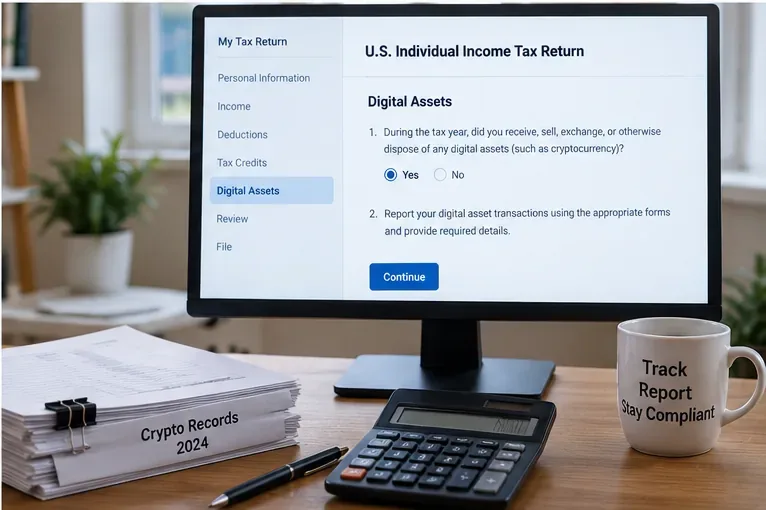
Crypto Taxes for Beginners: How to Track and Report Your Transactions

Crypto Taxes for Beginners: How to Track and Report Your Transactions

Learn how U.S. crypto taxes work, which transactions are taxable, what records to keep, how basis and gains are calculated, and where to report them.

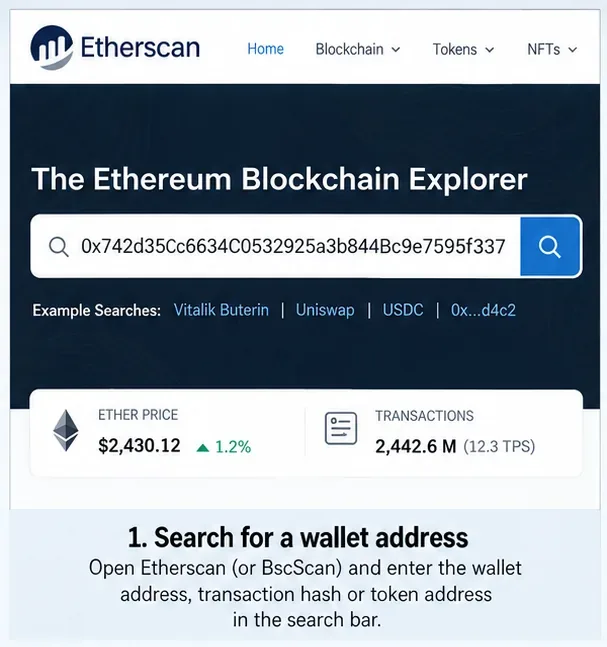
How to Use Etherscan and BscScan to Track Suspicious Crypto Activity

How to Use Etherscan and BscScan to Track Suspicious Crypto Activity

Learn how to trace wallet activity with Etherscan and BscScan, read transaction details, follow token transfers, check approvals, and avoid common mistakes.

Red Flags in Crypto Whitepapers and Roadmaps You Must Never Ignore

Red Flags in Crypto Whitepapers and Roadmaps You Must Never Ignore

Learn how to spot dangerous red flags in crypto whitepapers and roadmaps, from hidden token unlocks and unverifiable teams to risky smart-contract permissions.

Proof of Work vs. Proof of Stake: A Beginner’s Guide to Crypto Consensus

Proof of Work vs. Proof of Stake: A Beginner’s Guide to Crypto Consensus

Learn how Proof of Work and Proof of Stake help blockchains agree on valid transactions, how miners and validators differ, and what beginners should watch for.

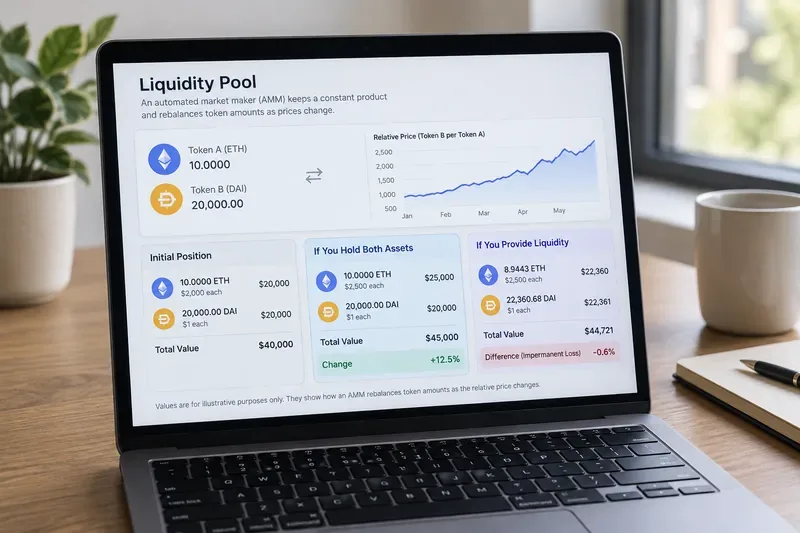
What Is Impermanent Loss in DeFi Liquidity Pools and How Can You Reduce It?

What Is Impermanent Loss in DeFi Liquidity Pools and How Can You Reduce It?

Learn what impermanent loss is, why AMM liquidity pools create it, how fees affect returns, and practical ways to reduce the risk before you provide liquidity.

The Psychology of HODLing: How to Survive Crypto Market Crashes

The Psychology of HODLing: How to Survive Crypto Market Crashes

Learn why crypto crashes trigger bad decisions, which HODLing myths to avoid, and how to build a disciplined plan for volatility without blindly holding forever.

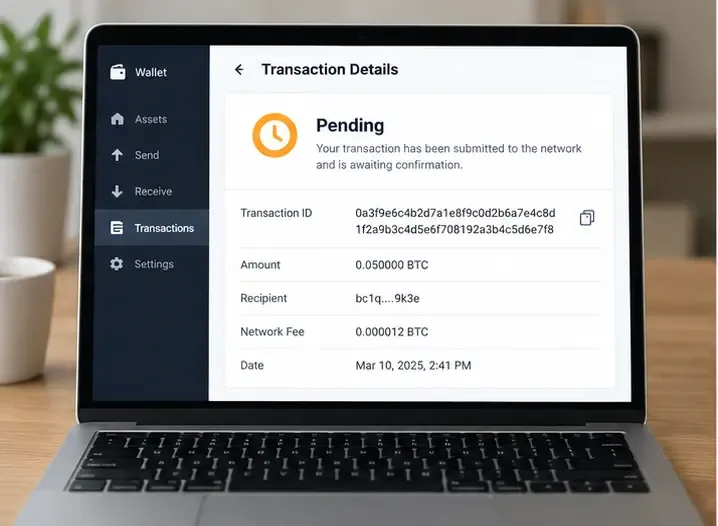
Network Congestion Issues: Why Your Crypto Transfer Is Pending and What to Do

Network Congestion Issues: Why Your Crypto Transfer Is Pending and What to Do

Is your crypto transfer pending? Learn how to identify congestion, check the transaction hash, choose between waiting and replacing, and avoid costly mistakes.

Coins vs. Tokens: What Is the Difference in Cryptocurrency?

Coins vs. Tokens: What Is the Difference in Cryptocurrency?

Learn how cryptocurrency coins differ from tokens, including network ownership, fees, security, control, use cases, and which asset fits different needs.

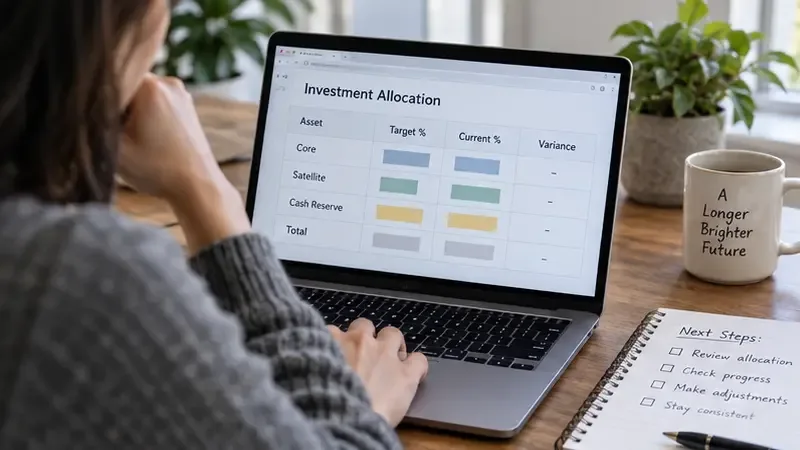
Managing Crypto Portfolio Risk: How to Allocate Your Assets

Managing Crypto Portfolio Risk: How to Allocate Your Assets

Learn how to allocate crypto by risk tolerance, time horizon, diversification, custody, liquidity, and rebalancing—without relying on a one-size-fits-all formula.

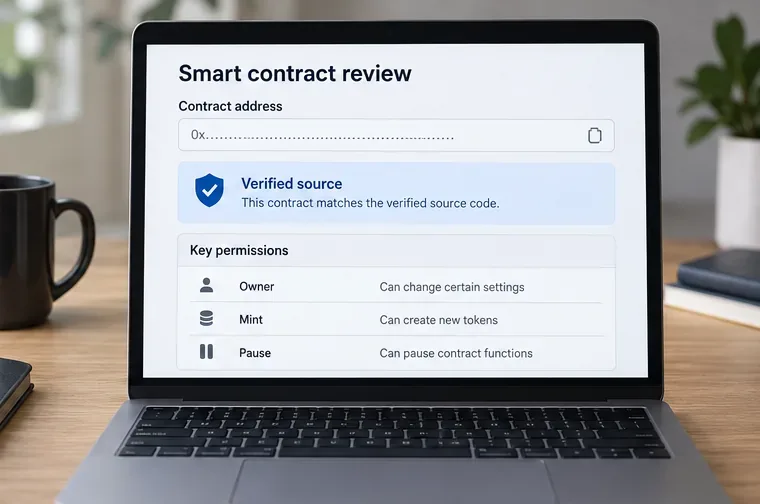
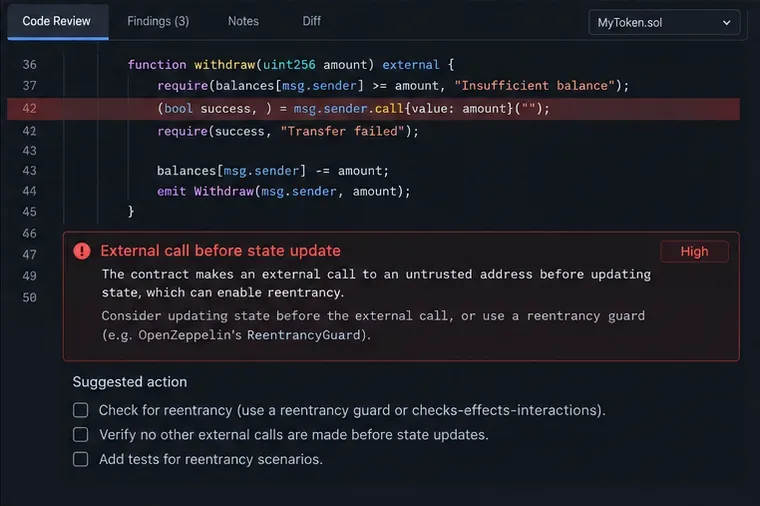
A Step-by-Step Guide to Auditing a Crypto Projects Smart Contract

A Step-by-Step Guide to Auditing a Crypto Projects Smart Contract

Learn how to audit a crypto project’s smart contract step by step, from verifying the deployment and mapping permissions to testing logic, upgrades, and fixes.

The Ultimate Guide to Building a Long-Term Crypto Holding Portfolio

The Ultimate Guide to Building a Long-Term Crypto Holding Portfolio

Build a long-term crypto holding portfolio with a risk-first framework for allocation, asset selection, custody, buying discipline, rebalancing, records, and scam avoidance.

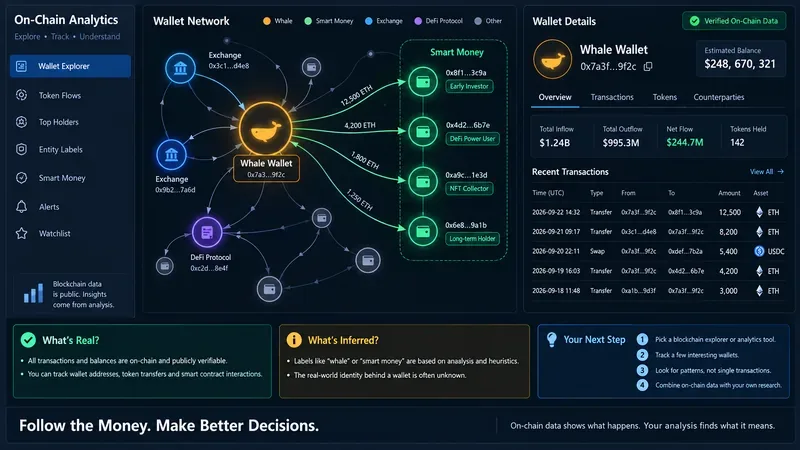
On-Chain Analysis for Beginners: How to Track Whale Wallets and Smart Money

On-Chain Analysis for Beginners: How to Track Whale Wallets and Smart Money

Learn how to read on-chain data, track whale wallets, evaluate smart-money labels, and separate verifiable blockchain facts from inference before acting on wallet activity.

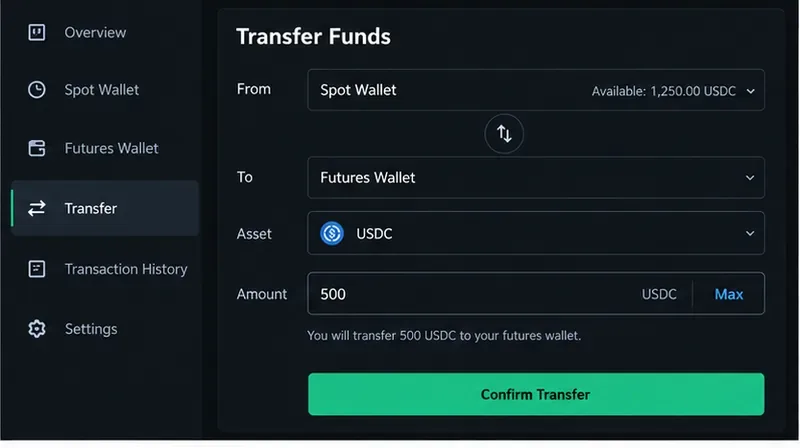
Insufficient Margin Error in Crypto Futures: What It Means and How to Resolve It

Insufficient Margin Error in Crypto Futures: What It Means and How to Resolve It

Learn why crypto futures platforms show an “Insufficient Margin” error, how to diagnose the cause, fix it safely, and avoid margin problems before placing your next trade.

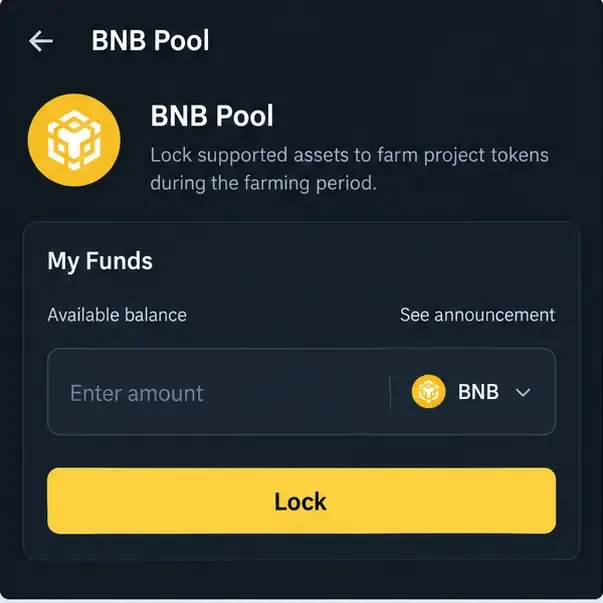
Binance Launchpad and Launchpool: How to Participate and Earn New Tokens

Binance Launchpad and Launchpool: How to Participate and Earn New Tokens

Learn how Binance Launchpad and Launchpool work, how to check eligibility, join safely, track rewards, and understand the limits and risks.