The latest, fastest, and hottest news on the cryptocurrency market today. | Page 3

FX Forward Points Explained: Why They Are Not a Forecast of the Future Spot Price
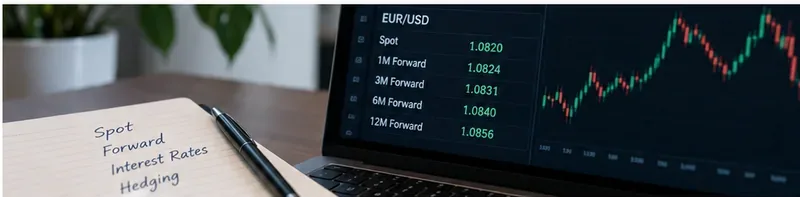
FX Forward Points Explained: Why They Are Not a Forecast of the Future Spot Price

Learn what FX forward points are, how interest-rate differentials and cross-currency basis shape them, and why a forward rate is a hedge price—not a spot forecast.


Currency Carry Trade Return: How to Calculate Interest, Spot Moves, and Financing Costs

Currency Carry Trade Return: How to Calculate Interest, Spot Moves, and Financing Costs

Learn how to calculate currency carry trade returns by combining interest income, exchange-rate movement, rollover financing, spreads, and commissions in a worked example.

Nominal Yield vs. Real Yield: Which Matters More for Gold and Growth Stocks?

Nominal Yield vs. Real Yield: Which Matters More for Gold and Growth Stocks?

Learn how nominal and real Treasury yields differ, why real yields often matter more for gold, and how both rates affect growth stock valuations.

Bond Duration for Beginners: Estimate the Price Effect of a 1-Point Yield Move

Bond Duration for Beginners: Estimate the Price Effect of a 1-Point Yield Move

Use modified duration to estimate how a 1 percentage-point yield move may change a bond or fund’s price, convert the result to dollars, and check the limits.

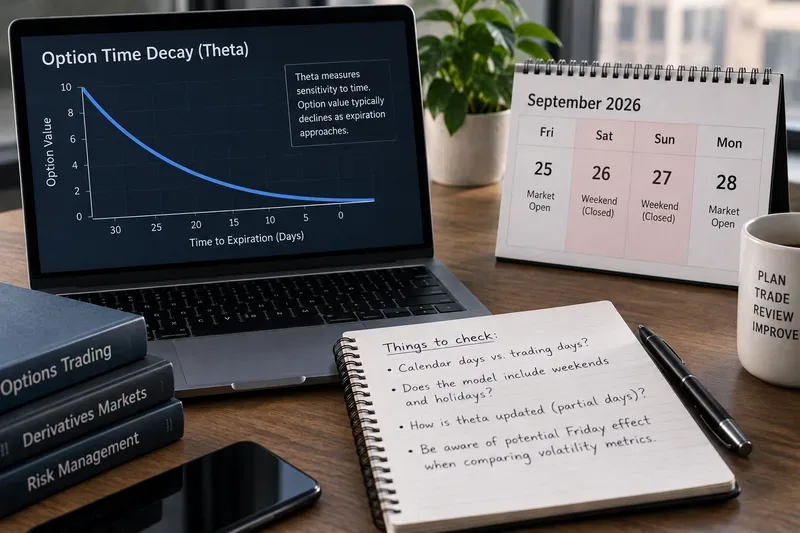
Theta Decay Over Weekends: When Options Models Price Non-Trading Days

Theta Decay Over Weekends: When Options Models Price Non-Trading Days

Weekend theta is not always a simple three-day deduction. Learn how calendar-day, trading-day, and hybrid options models treat non-trading days and how to check your platform.

What Is a 25-Delta Risk Reversal? A Practical Guide to Currency-Option Skew

What Is a 25-Delta Risk Reversal? A Practical Guide to Currency-Option Skew

Learn what a 25-delta risk reversal measures, how to read its sign in FX options, and when it helps compare currency-market sentiment, hedging costs, and volatility skew.

Open Interest Rising While Price Falls: Four Interpretations and How to Test Them

Open Interest Rising While Price Falls: Four Interpretations and How to Test Them

Rising open interest during a price decline can reflect new short exposure, new longs, hedging, or measurement effects. Learn four interpretations and the checks that help separate them.

Options Implied Volatility vs. Historical Volatility: A Practical Comparison

Options Implied Volatility vs. Historical Volatility: A Practical Comparison

Compare options implied volatility with historical volatility using a clearly labeled example, a matched-horizon calculation, and practical checks for interpreting the gap.

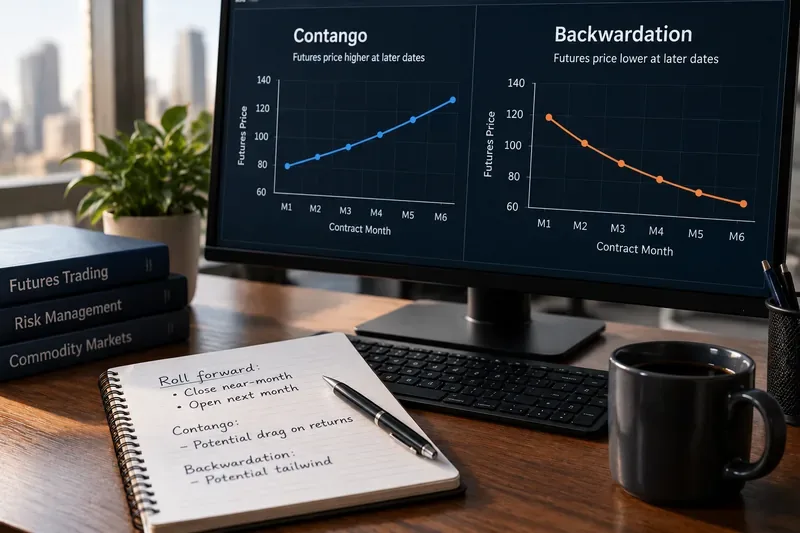
Futures Contango and Backwardation: How Roll Yield Can Help or Hurt a Long-Term Position

Futures Contango and Backwardation: How Roll Yield Can Help or Hurt a Long-Term Position

Learn how contango, backwardation, and contract rolls affect long-term futures returns, with simple examples, a roll-yield check, and practical warning signs.

Liquidation Price vs. Bankruptcy Price: What Crypto Futures Traders Miss

Liquidation Price vs. Bankruptcy Price: What Crypto Futures Traders Miss

Learn how liquidation and bankruptcy prices differ in crypto futures, why mark price and margin mode matter, and how to check your actual risk before a trade.

Perpetual Futures Funding Rates: Who Pays, Who Gets Paid, and When

Perpetual Futures Funding Rates: Who Pays, Who Gets Paid, and When

Understand who pays perpetual futures funding, when exchanges charge it, how position size affects the amount, and why settlement schedules differ by contract.

Risk of Ruin for Traders: A Simple Calculation Using Win Rate and Payoff Ratio

Risk of Ruin for Traders: A Simple Calculation Using Win Rate and Payoff Ratio

Learn how to estimate trading risk of ruin from win rate, payoff ratio, position size, and a drawdown threshold, with formulas, examples, limits, and stress tests.

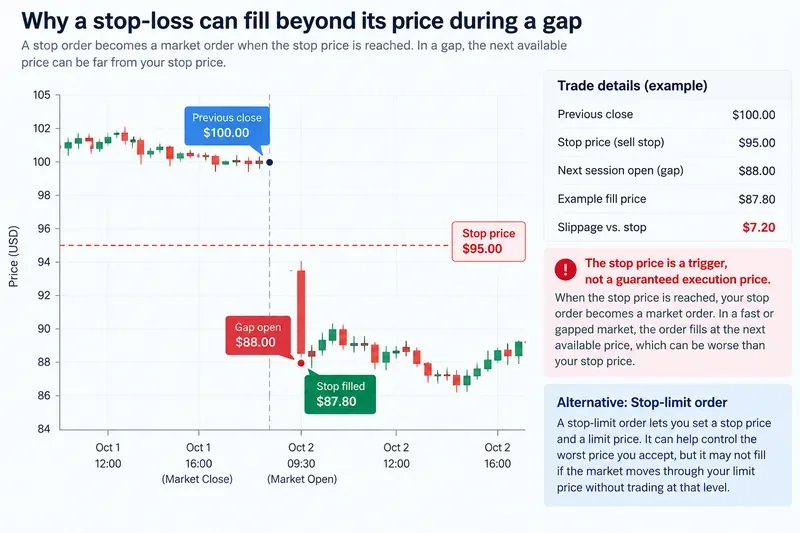
Why a Stop-Loss Can Fill Beyond Its Price During a Gap—and How to Estimate the Risk

Why a Stop-Loss Can Fill Beyond Its Price During a Gap—and How to Estimate the Risk

Learn why stop-loss orders can execute below the stop price during a gap, how to estimate gap risk from historical data, and when stop-limit orders change the trade-off.

Airdrop Claim Safety Checklist: How to Tell an Official Contract From a Wallet Drainer

Airdrop Claim Safety Checklist: How to Tell an Official Contract From a Wallet Drainer

Use this practical airdrop safety checklist to verify official claim contracts, inspect wallet permissions, spot malicious signatures, and respond to suspicious approvals.

Validator Uptime and Commission: How to Check the On-Chain Record

Validator Uptime and Commission: How to Check the On-Chain Record

Learn how to monitor validator performance and commission changes from primary blockchain data, compare the trade-offs, and build a reliable delegator check routine.

Crypto Tax-Lot Exports: Reconcile Transfers Before Calculating Gains

Crypto Tax-Lot Exports: Reconcile Transfers Before Calculating Gains

Learn how to match crypto transfers across exchange and wallet exports, preserve cost basis, separate fees, and review Form 1099-DA before calculating gains.

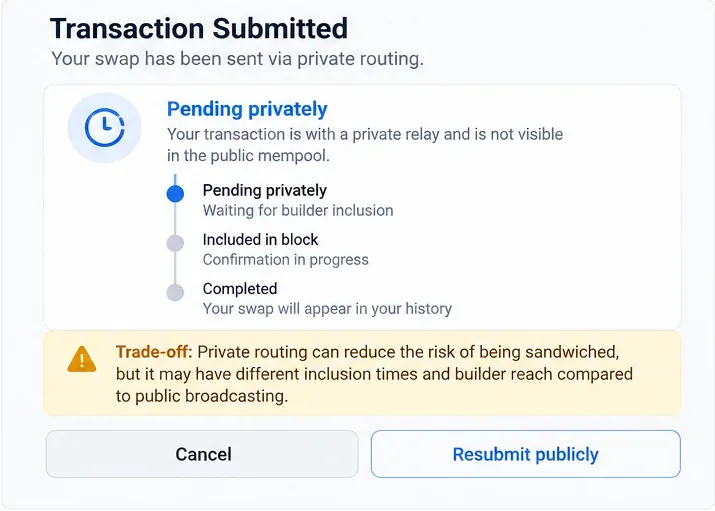
MEV Protection for Retail Swaps: Private Transactions, Sandwich Risk, and the Trade-Offs to Know

MEV Protection for Retail Swaps: Private Transactions, Sandwich Risk, and the Trade-Offs to Know

Learn how MEV protection works for retail DEX swaps, how private transactions reduce sandwich risk, how slippage affects exposure, and what trade-offs to check before you trade.

Account Abstraction Wallets Explained: Session Keys, Paymasters, and Recovery Risks

Account Abstraction Wallets Explained: Session Keys, Paymasters, and Recovery Risks

Understand how account abstraction wallets use session keys, paymasters, and recovery rules, plus the permissions and risks to check before signing.

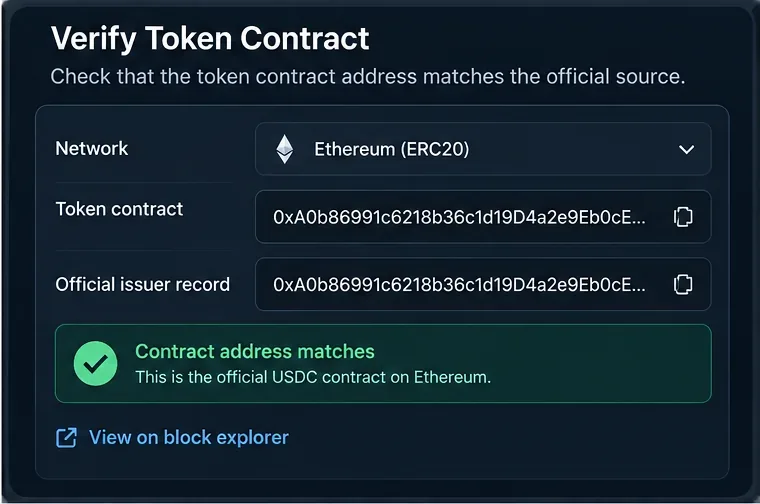
Withdrawal Network Selection Mistakes: How to Verify Chain, Token Contract, and Memo Fields

Withdrawal Network Selection Mistakes: How to Verify Chain, Token Contract, and Memo Fields

Avoid crypto withdrawal mistakes by checking the receiving chain, token contract, address, and memo or destination tag before you send funds.

Restaking Slashing Risk: What Delegated Users Should Verify Before Choosing an Operator

Restaking Slashing Risk: What Delegated Users Should Verify Before Choosing an Operator

Before delegating restaked assets, verify an operator’s AVS exposure, slash conditions, loss limits, redistribution rules, and exit delays with this practical checklist.

Crypto Exchange Proof of Reserves: What It Proves—and What It Leaves Out

Crypto Exchange Proof of Reserves: What It Proves—and What It Leaves Out

Learn what crypto proof of reserves can verify, what liabilities it may omit, and how to check an exchange’s snapshot, customer balances, and audit scope.

Oracle Failure Modes in DeFi: Stale Prices, Thin Markets, and Liquidation Cascades

Oracle Failure Modes in DeFi: Stale Prices, Thin Markets, and Liquidation Cascades

Learn how stale oracle prices, thin liquidity, and market stress can interact in DeFi. Use a practical checklist to assess feed quality, liquidation exposure, and safeguards.

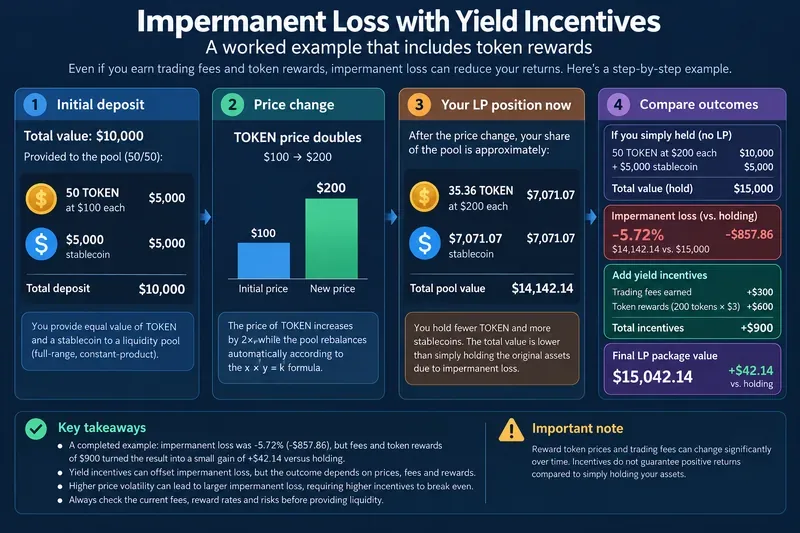
Impermanent Loss With Yield Incentives: A Worked Example Including Token Rewards

Impermanent Loss With Yield Incentives: A Worked Example Including Token Rewards

See how impermanent loss, trading fees, and token rewards interact in a constant-product liquidity pool, with a complete $10,000 worked example.

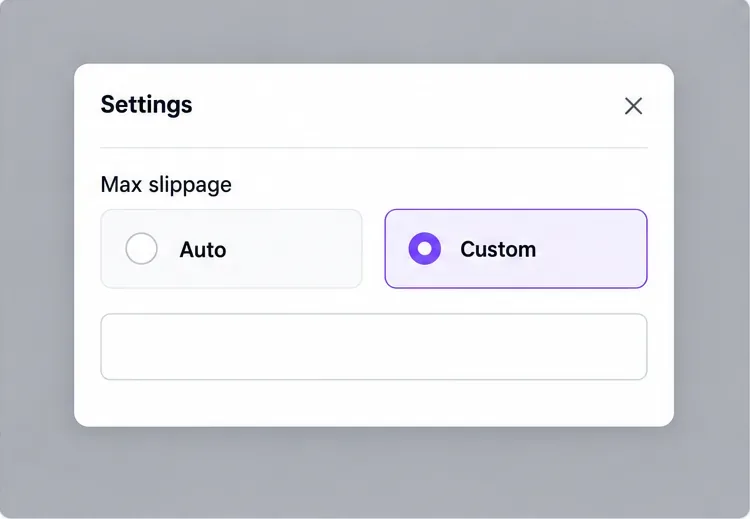
DEX Price Impact vs. Slippage Tolerance: How to Set Each for Thin Liquidity

DEX Price Impact vs. Slippage Tolerance: How to Set Each for Thin Liquidity

Learn why price impact and slippage tolerance are different, how thin liquidity affects each, and how to set a minimum output without accepting a poor swap quote.

Concentrated Liquidity Ranges: What Happens When a Uniswap Position Goes Out of Range?

Concentrated Liquidity Ranges: What Happens When a Uniswap Position Goes Out of Range?

Learn what happens to a Uniswap v3 position when price leaves its concentrated liquidity range, including token balances, fee accrual, and management choices.

Cross-Chain Bridge Finality: Why a Completed Source Transaction May Still Be Pending

Cross-Chain Bridge Finality: Why a Completed Source Transaction May Still Be Pending

A source-chain transaction can be confirmed while a bridge transfer is still pending. Learn how finality, attestations, relayers, L2 settlement, and destination execution affect timing.

Hardware Wallet Firmware Verification: A Practical Checklist Before You Update

Hardware Wallet Firmware Verification: A Practical Checklist Before You Update

Use this practical checklist to verify the update source, firmware version, signatures, device prompts, and post-update status before installing hardware-wallet firmware.

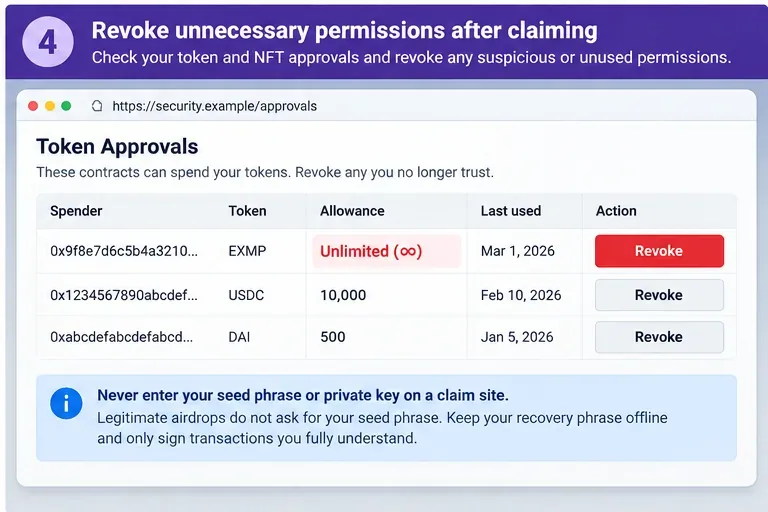
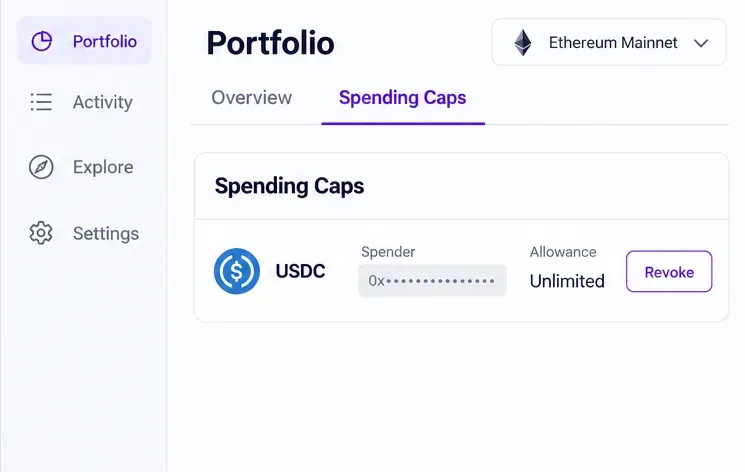
Token Approvals in a Crypto Wallet: How to Find and Revoke Risky Allowances Safely

Token Approvals in a Crypto Wallet: How to Find and Revoke Risky Allowances Safely

Learn how to find crypto wallet token approvals, assess risky allowances, revoke them safely, and verify the change without confusing revocation with disconnecting a dapp.

Stablecoin Redemption vs. Exchange Selling: Costs, Limits, and Depeg Risks

Stablecoin Redemption vs. Exchange Selling: Costs, Limits, and Depeg Risks

Compare stablecoin issuer redemption with exchange selling. Learn how fees, eligibility, liquidity, timing, and depeg risk affect your net cash-out amount.

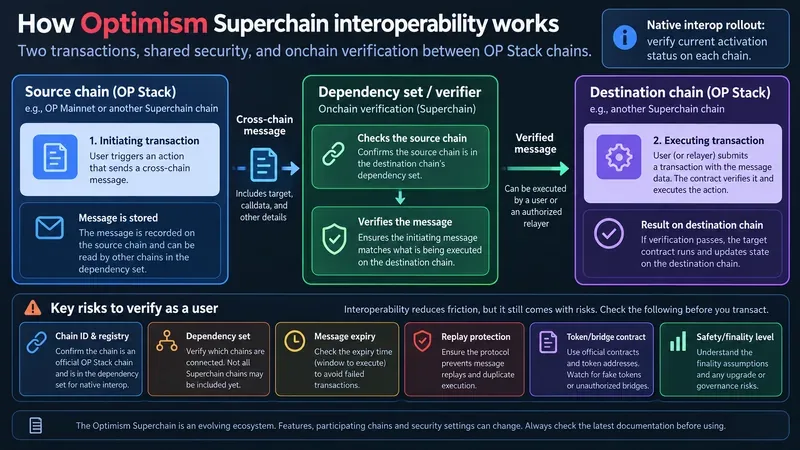
How Optimism Superchain Interoperability Works—and What Users Should Verify in 2026

How Optimism Superchain Interoperability Works—and What Users Should Verify in 2026

Optimism’s native Superchain interop is still rolling out in 2026. Learn how cross-chain messages work, what “dependency sets” mean, and which bridge, token, finality, and contract risks to verify before moving assets.